For industrial applications involving the transport of fine powders like silica, efficient and reliable equipment is crucial. One such solution is the silica powder pneumatic conveying equipment, a system designed to move these materials through a pipeline using air or other gas as the conveying medium. This article explores the fundamental aspects of this equipment, including its design principles and operational benefits.
Introduction to Silica Powder Pneumatic Conveying Equipment
Silica powder, also known as silicon dioxide (SiO₂), is a common industrial material used in various sectors such as construction, electronics, and pharmaceuticals. The need to transport this fine powder efficiently without degradation or loss has led to the development of pneumatic conveying systems. These systems offer a flexible and effective method for moving powders over short to medium distances, often with minimal maintenance requirements compared to traditional mechanical conveyors.
Understanding the Core Function of Silica Powder Pneumatic Conveying Equipment
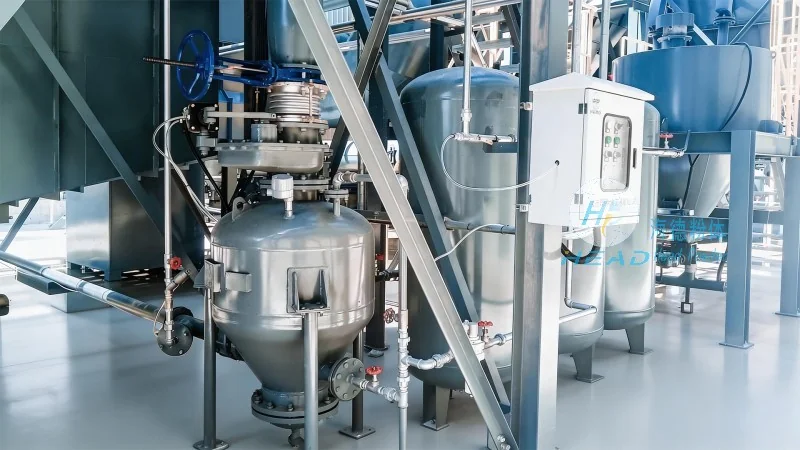
The primary function of silica powder pneumatic conveying equipment is to transport dry, fine powders like silica through a pipeline by creating a flow of air or gas. The system typically consists of a feeding hopper, a conveying line, and a discharge point. The powder is introduced into the system, and the air flow is controlled to ensure the powder is suspended and transported to the desired location. This method is particularly advantageous for materials that are prone to caking or that require gentle handling to maintain their quality.
Key Design Principles of Silica Powder Pneumatic Conveying Systems
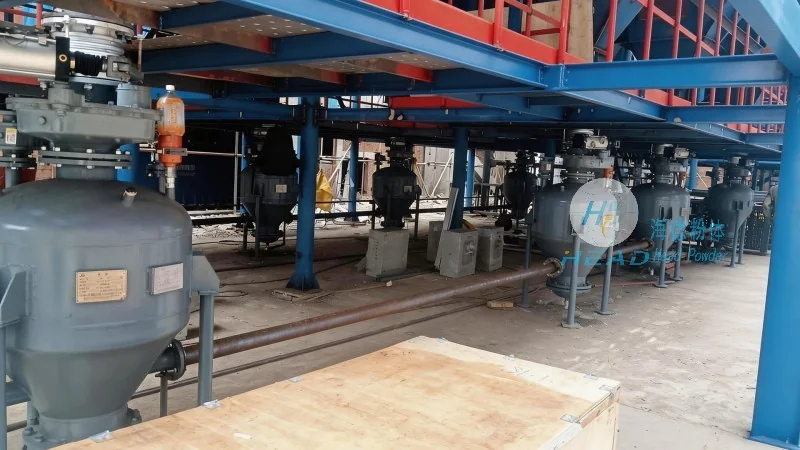
The design of silica powder pneumatic conveying equipment is based on several critical principles to ensure optimal performance. These include the selection of appropriate air velocity, the use of suitable pipeline diameters, and the incorporation of features that prevent particle degradation or blockages. Engineers from companies like Shandong HeadPowder Engineering Co., Ltd. in China carefully consider factors such as the particle size distribution, density, and flow characteristics of the silica powder when designing these systems. The goal is to achieve a balance between conveying efficiency and energy consumption, minimizing operational costs while maximizing material throughput.
Components and Working Mechanism of Silica Powder Pneumatic Conveying Equipment
A typical silica powder pneumatic conveying system includes several key components. The feeding unit, often a hopper with a rotary valve or a venturi feeder, controls the flow of silica powder into the system. The conveying line, usually made of stainless steel or other corrosion-resistant materials, is designed to withstand the abrasive nature of silica particles. The air supply system, which may include a blower or compressor, generates the necessary pressure and flow rate to move the powder. At the discharge end, a receiver or silo collects the transported silica powder, often with a dust collection system to ensure environmental compliance. The entire system operates by creating a pressure differential, where the air flow draws the powder particles into the pipeline and transports them to the destination.
Advantages of Using Silica Powder Pneumatic Conveying Equipment
There are several advantages to employing silica powder pneumatic conveying equipment in industrial processes. One of the most significant benefits is the ability to transport powders over long distances with minimal loss or degradation. Unlike mechanical conveyors, which can cause particle breakage or segregation, pneumatic systems provide a gentle and continuous flow. Additionally, these systems are highly flexible, allowing for changes in the conveying route or capacity without major modifications. They also offer better control over dust emissions, as the entire process is enclosed, reducing the risk of environmental contamination. For companies like Shandong HeadPowder Engineering Co., Ltd., based in China, these advantages make pneumatic conveying an attractive solution for silica powder handling.
Application Scenarios for Silica Powder Pneumatic Conveying Equipment
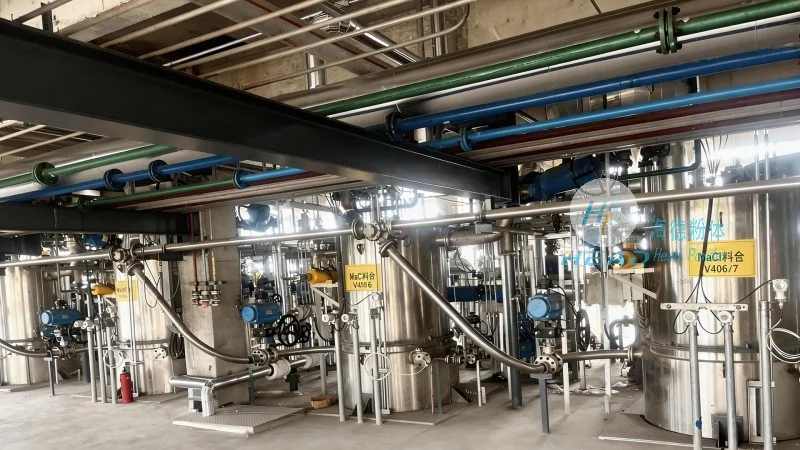
Silica powder pneumatic conveying equipment is widely used in various industrial applications. In the construction industry, it is used to transport silica sand for concrete production, ensuring consistent quality and reduced handling time. In the electronics industry, fine silica powders are used in the manufacturing of semiconductors and other components, where precise particle size control is critical. The pharmaceutical industry also benefits from these systems when handling silica-based excipients or fillers, as they require sterile and dust-free transport. Furthermore, in the chemical industry, silica powders are used as fillers or catalysts, and pneumatic conveying helps maintain the purity of these materials during transport. The versatility of the system makes it suitable for a wide range of applications where efficient and reliable powder transport is essential.
Maintenance and Operational Tips for Silica Powder Pneumatic Conveying Equipment
To ensure the longevity and efficiency of silica powder pneumatic conveying equipment, proper maintenance and operational practices are essential. Regular inspection of the conveying line for blockages or wear is crucial, as silica particles can be abrasive and cause damage over time. The air filtration system should be checked and cleaned regularly to prevent clogging and maintain optimal air flow. The feeding hopper and rotary valves should be lubricated and maintained to ensure smooth operation. Operational tips include monitoring the air pressure and flow rate to adjust for changes in powder characteristics or system load. For companies like Shandong HeadPowder Engineering Co., Ltd., providing maintenance services and technical support is a key part of their offerings, ensuring that clients can maximize the lifespan and performance of their equipment.




