HeadPowder, a leading manufacturer based in Shandong, China, specializes in the design and production of high-efficiency dry limestone powder conveying systems. These machines are engineered to handle the transportation of limestone powder and similar fine powders with precision and reliability. The operation process and working principle of such equipment are crucial for understanding its performance and application in various industrial settings.
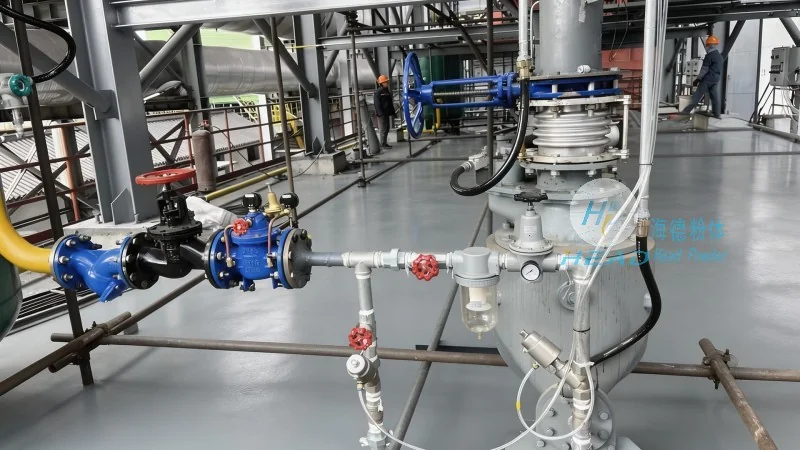
Working Principle of Dry Limestone Powder Conveying Machines
The core of a dry limestone powder conveyor lies in its ability to transport fine powders without clogging or degradation. The system typically operates on the principle of pneumatic or mechanical conveying, depending on the specific design. For pneumatic systems, the conveying process involves the use of compressed air to create a flow that carries the powder particles through a pipeline. This method is particularly effective for long-distance or high-volume transport of limestone powder. The machine's components, including the hopper, airlock, and pipeline, work in tandem to ensure a continuous and stable flow of material.
Key Components and Their Functions
Several critical components contribute to the efficient operation of a dry limestone powder conveyor. The hopper serves as the storage and feeding unit, where limestone powder is loaded and prepared for transport. The hopper's design, often with a conical bottom, facilitates uniform material flow. The airlock, often integrated with the hopper, prevents backflow and ensures a controlled release of material into the conveying line. The pipeline, usually made of corrosion-resistant materials like stainless steel or special plastic, transmits the powder under pressure. Additionally, the control system manages the flow rate, pressure, and other operational parameters to maintain optimal performance. Each component is designed to withstand the abrasive nature of limestone powder and ensure long-term durability.
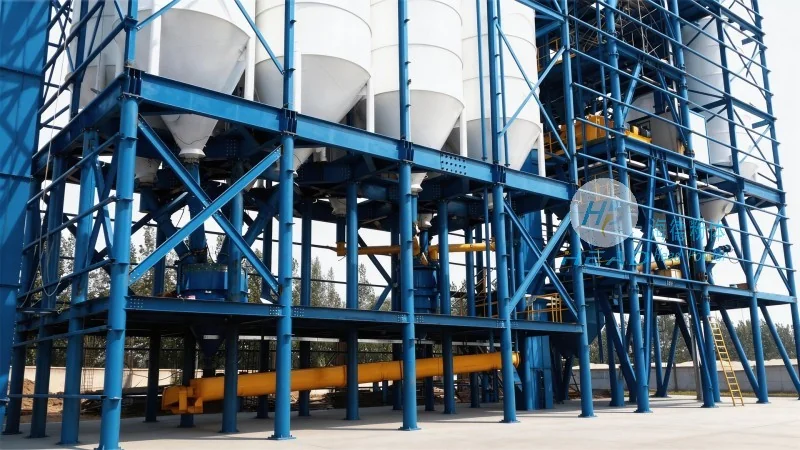
Operation Process Step-by-Step
The operation process of a dry limestone powder conveyor can be broken down into several sequential steps. First, the limestone powder is fed into the hopper from a storage silo or bulk container. The hopper's conical design promotes uniform material flow. Next, the airlock mechanism opens to allow a controlled amount of powder to enter the conveying pipeline. Simultaneously, compressed air is introduced into the pipeline, creating a positive pressure that propels the powder forward. The powder travels through the pipeline, which may include bends, expansions, or filters to maintain flow efficiency. At the receiving end, the airlock at the discharge point releases the powder into a storage bin or processing unit. The entire process is automated, with sensors and controls monitoring parameters such as pressure, flow rate, and material level to ensure smooth operation and prevent issues like blockages or overfilling.
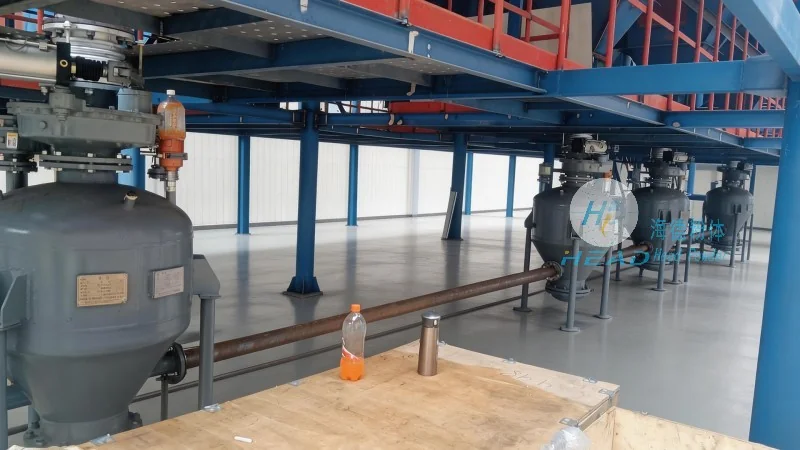
Advantages and Applications
Dry limestone powder conveyors offer several advantages over traditional methods like bucket elevators or belt conveyors. They are highly efficient for transporting fine powders over long distances, with minimal material loss and no product degradation. The pneumatic system is particularly suitable for applications where dust control is critical, as the enclosed pipeline prevents dust dispersion. These machines are widely used in industries such as cement production, chemical processing, and mining, where limestone is a key raw material. The ability to handle high volumes and maintain consistent flow rates makes them ideal for continuous production lines. Additionally, the modular design allows for easy integration into existing industrial setups, reducing installation time and costs.
Maintenance and Operational Considerations
To ensure the longevity and optimal performance of a dry limestone powder conveyor, regular maintenance is essential. Key maintenance tasks include cleaning the hopper and airlock to prevent powder buildup, inspecting the pipeline for any signs of wear or blockage, and checking the air compressor and control system for proper operation. The use of high-quality, corrosion-resistant materials in the construction of the conveyor helps minimize maintenance needs and extend the equipment's lifespan. Operational considerations also include monitoring the pressure and flow rates to detect any deviations that could indicate a problem. Proper training of operators on the machine's controls and safety procedures is crucial to prevent accidents and ensure safe operation. By adhering to these maintenance and operational guidelines, users can maximize the efficiency and reliability of their dry limestone powder conveying equipment.




