Tea powder conveying machines are essential equipment in the tea processing industry, designed to efficiently transport and handle fine tea powder. The operation of these machines involves a series of precise steps and mechanisms that ensure optimal performance and product quality. This article provides a detailed overview of the operation process and working principle of tea powder conveying machines, highlighting the key components and functions involved.
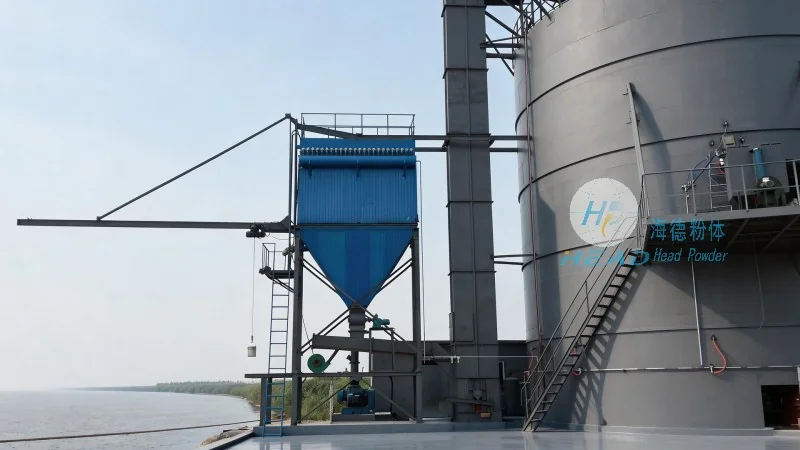
Company Introduction
HeadPowder, a leading manufacturer in the field, specializes in the design and production of advanced conveying systems for various powder materials. With a strong commitment to quality and innovation, Shandong HeadPowder Engineering Co., Ltd. has established itself as a trusted partner for businesses seeking reliable and efficient tea powder handling solutions. Headquartered in Shandong, China, the company leverages years of industry experience to deliver customized solutions tailored to the unique needs of tea processing facilities.
Overview of Tea Powder Conveying Machine Operation
The operation of a tea powder conveying machine typically begins with the loading of tea powder into the hopper or inlet. The machine then uses a combination of mechanical and pneumatic components to transport the powder through a pipeline or conveyor system. The process involves several critical stages, each contributing to the smooth and efficient movement of the material. From initial feeding to final discharge, each step is carefully controlled to maintain product integrity and prevent contamination.
Step-by-Step Operation Process
1. Material Loading: Tea powder is fed into the hopper or storage bin, where it is held before being transferred to the conveying system. The hopper is equipped with a feeding mechanism, such as a screw or rotary valve, that regulates the flow of powder into the machine. This step ensures a consistent and controlled supply of material, preventing overloading or underfeeding that could disrupt the operation.
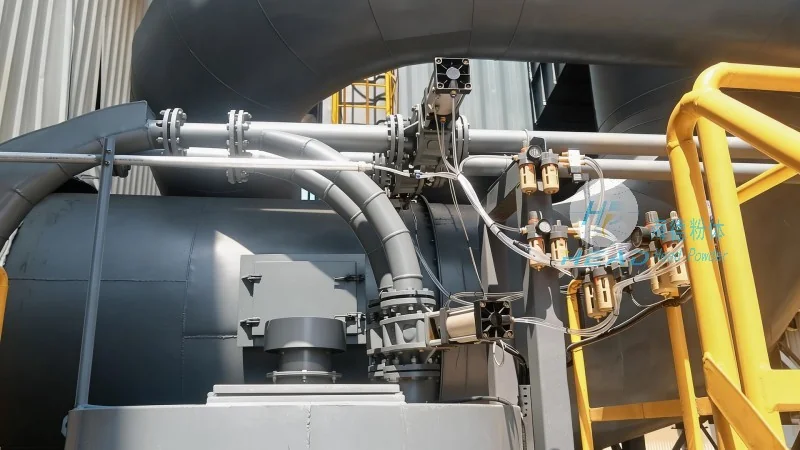
2. Pneumatic Conveying: Once the powder is in the hopper, it is transferred to the conveying line using compressed air. The machine utilizes a positive displacement blower or air compressor to generate the necessary pressure and airflow. The powder is carried through the pipeline by the air stream, moving from the inlet to the outlet. This method is particularly effective for fine powders like tea powder, as it minimizes particle breakage and maintains the product's quality.
3. Control and Regulation: Throughout the conveying process, the machine includes control systems that monitor and adjust the airflow and pressure. Sensors and feedback mechanisms ensure that the conveying rate matches the demand, preventing excess pressure or vacuum that could affect the machine's performance. The control panel allows operators to adjust settings based on the specific characteristics of the tea powder, such as moisture content or particle size.
4. Discharge and Collection: At the end of the conveying line, the tea powder is discharged into a collection bin or storage tank. The discharge mechanism, often a rotary valve or gate valve, regulates the flow of powder out of the system. This step ensures that the powder is collected efficiently and without spillage, maintaining a clean and organized processing environment.
Working Principle of Tea Powder Conveying Machine
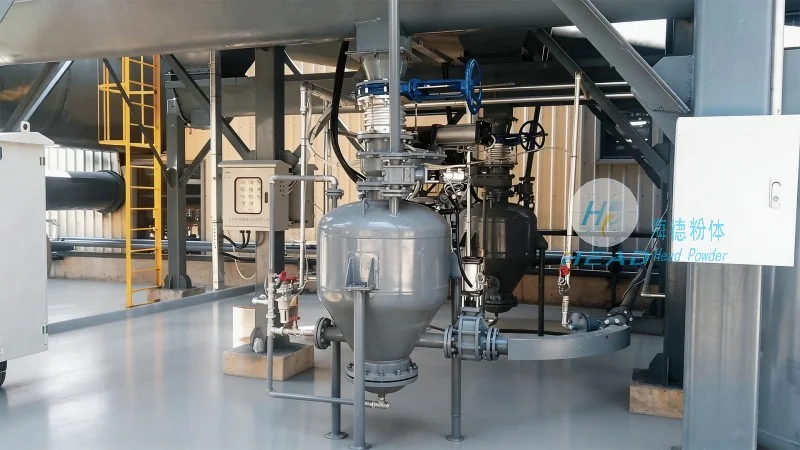
The working principle of a tea powder conveying machine is based on the principles of pneumatic conveying, which uses air to transport solid particles. The machine operates by creating a pressure differential between the inlet and outlet of the conveying line. The inlet is under higher pressure, while the outlet is under lower pressure, causing the air to flow through the pipeline and carry the tea powder along with it. This process is known as dilute phase or dense phase conveying, depending on the air-to-powder ratio.
Dilute phase conveying involves a higher air velocity, where the powder is suspended in the air stream and transported as a fine mist. This method is suitable for short distances and low to medium powder loads. Dense phase conveying, on the other hand, uses lower air velocity and higher powder concentrations, creating a slurry-like flow that is more efficient for longer distances and higher loads. The choice between these two methods depends on the specific requirements of the tea processing facility and the characteristics of the tea powder being handled.
Key Components and Their Functions
Several key components work together to ensure the smooth operation of a tea powder conveying machine. These include the hopper, feeding mechanism, blower or air compressor, conveying line, control system, and discharge valve. Each component plays a critical role in the overall performance and efficiency of the machine.
The hopper serves as the storage and feeding container, holding the tea powder before it is transferred to the conveying system. The feeding mechanism, such as a screw or rotary valve, regulates the flow of powder into the machine, ensuring a consistent supply. The blower or air compressor generates the necessary pressure and airflow to move the powder through the pipeline. The conveying line, typically made of stainless steel or other corrosion-resistant materials, transports the powder from the inlet to the outlet. The control system monitors and adjusts the airflow and pressure, maintaining optimal operation. Finally, the discharge valve regulates the flow of powder out of the system, ensuring efficient collection.
Benefits and Applications
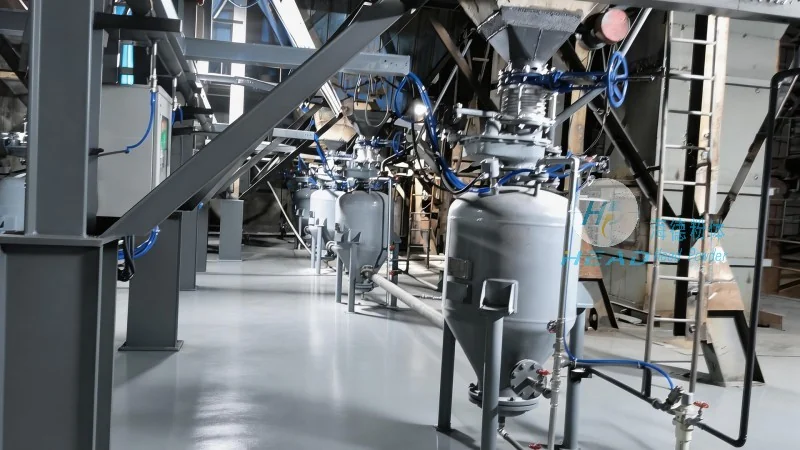
Tea powder conveying machines offer several benefits for tea processing facilities, including improved efficiency, reduced labor costs, and enhanced product quality. The machines are designed to handle fine tea powders without causing particle breakage or contamination, which is crucial for maintaining the flavor and aroma of the tea. Additionally, the pneumatic conveying system is more hygienic and easier to clean compared to traditional mechanical systems, reducing the risk of cross-contamination.
These machines are widely used in various stages of tea processing, including blending, packaging, and storage. They are particularly useful in large-scale tea production facilities where high volumes of tea powder need to be transported efficiently. The flexibility of the system allows it to be integrated with other processing equipment, such as mixers and packaging machines, creating a seamless workflow.
Conclusion
In conclusion, tea powder conveying machines are vital equipment in the tea processing industry, enabling efficient and reliable transport of fine tea powder. The operation process involves precise steps, from material loading to discharge, while the working principle is based on pneumatic conveying techniques. HeadPowder, with its expertise and commitment to quality, provides advanced solutions that meet the specific needs of tea processing facilities. By understanding the operation and working principle of these machines, businesses can optimize their processing operations and enhance overall productivity.




