Understanding the operation process and working principle of tonne bag powder conveying is crucial for optimizing material handling in industrial settings. This technology, commonly used in bulk material transportation, involves the efficient transfer of powders from large bags (typically 1 tonne capacity) into processing systems or storage facilities. The process integrates several key components and steps that ensure reliable and safe material movement.
Key Components in Tonne Bag Powder Conveying Systems
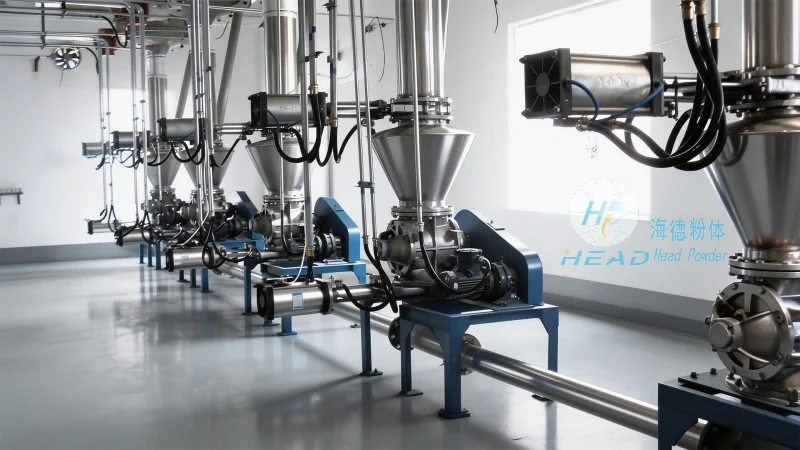
At the core of tonne bag powder conveying systems are several essential components that work in tandem to facilitate material transfer. The primary components include the tonne bag itself, a discharge valve or spout, a conveyor mechanism (such as a screw conveyor or pneumatic system), and supporting structures like hoppers or chutes. Each component plays a vital role in the overall operation, ensuring that powders are handled with precision and minimal loss.
The Operation Process: Step-by-Step Overview
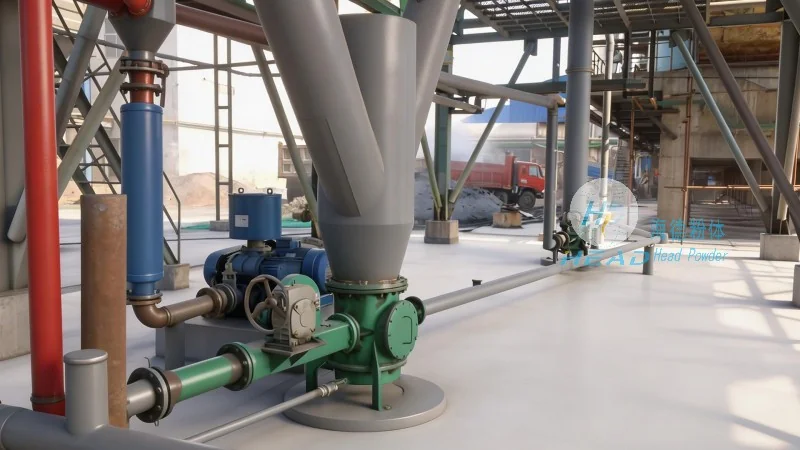
The operation of a tonne bag powder conveying system typically follows a structured sequence of steps. Initially, the tonne bag is positioned over a discharge point, often using a lifting device or a fixed support structure. The discharge valve is then opened, allowing the powder to flow into the conveyor system. For screw conveyors, the powder is drawn into the screw via gravity or slight pressure, moving through the conveyor's helical blades to the discharge end. In pneumatic systems, air is introduced to create a flow of powder through a pipeline, with the bag's opening serving as the inlet.
Working Principle: How the System Transfers Powders
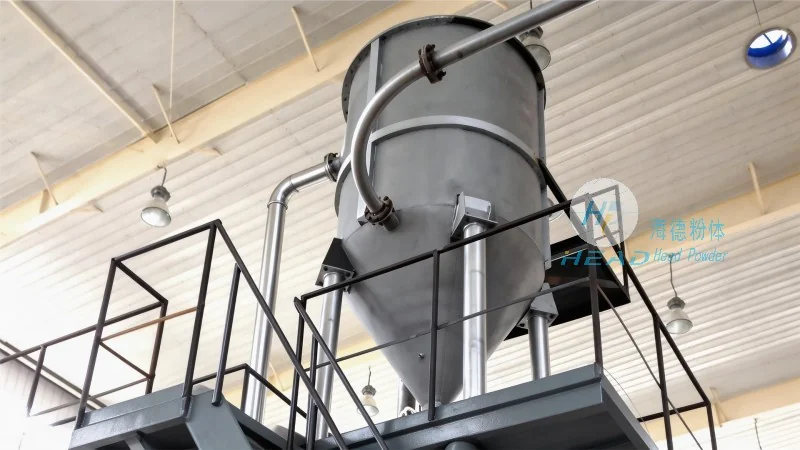
The working principle of tonne bag powder conveying relies on the physics of material flow and mechanical or pneumatic forces. For mechanical systems like screw conveyors, the helical screw rotates, creating a self-transporting action that moves the powder forward. The screw's pitch and speed are carefully designed to maintain a consistent flow rate, preventing blockages or overloading. In pneumatic systems, the principle of fluid dynamics is applied, where air pressure propels the powder particles through the pipeline. The velocity of the air and the size of the powder particles determine the efficiency of the transfer, with larger particles requiring higher air speeds to maintain suspension.
Benefits and Applications of Tonne Bag Powder Conveying
Efficient tonne bag powder conveying offers numerous benefits in industrial applications. It minimizes material waste by reducing spillage during transfer, enhances safety by containing dust and preventing exposure to workers, and improves operational efficiency by automating the material handling process. Industries such as pharmaceuticals, chemicals, food processing, and mining widely adopt this technology due to its adaptability to various powder types and its ability to handle large volumes of material.
Company Introduction: Shandong HeadPowder Engineering Co., Ltd.
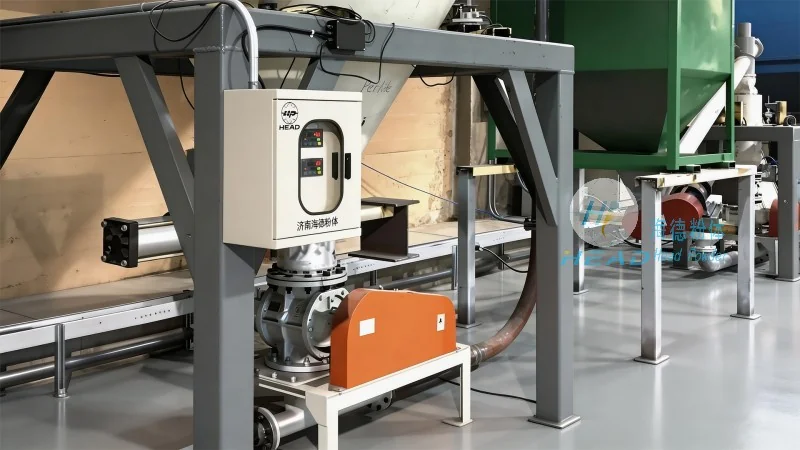
Shandong HeadPowder Engineering Co., Ltd., operating under the brand name headpowder, specializes in the design, manufacturing, and implementation of advanced powder handling solutions. With a focus on innovation and customer-centric approaches, the company provides tailored conveying systems that meet the specific needs of industrial clients. HeadPowder's expertise in material flow technology ensures that their products are reliable, durable, and compliant with industry standards. The company's facilities are located in Shandong, China, where they leverage local resources and expertise to deliver high-quality engineering solutions.




