Shandong HeadPowder Engineering Co., Ltd. specializes in the design, manufacturing, and implementation of advanced powder conveying systems tailored for various industrial applications. Based in Shandong, China, the company leverages decades of experience to deliver efficient and reliable solutions for handling shredded paper powder, a material often encountered in recycling and waste management sectors. This article provides a detailed overview of the operational process and underlying principles governing the conveying of shredded paper powder, highlighting key components, mechanisms, and best practices for optimal performance.
Understanding the Core Components of Shredded Paper Powder Conveying Systems
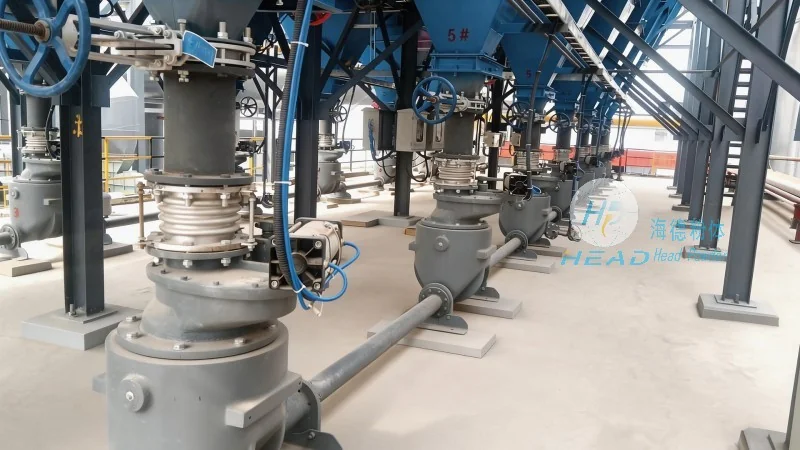
At the heart of any shredded paper powder conveying system are several critical components that work in concert to ensure smooth material transport. The primary elements include a feeding mechanism, a conveying device (such as a screw conveyor or pneumatic system), a control unit, and a discharge outlet. Each component plays a vital role in maintaining the integrity of the shredded paper powder and preventing issues like clogging or material degradation. The feeding mechanism, typically a hopper or feeder, ensures a consistent flow of material into the system, while the conveying device transfers the powder from the source to the destination. The control unit monitors parameters like pressure, flow rate, and temperature, allowing for real-time adjustments to maintain optimal performance. Finally, the discharge outlet safely releases the conveyed powder to the next stage of processing or storage.
The Operational Process: Step-by-Step Breakdown
The operation of a shredded paper powder conveying system follows a systematic sequence of steps, each designed to maximize efficiency and minimize downtime. The process begins with the preparation of the shredded paper material, which may involve drying or conditioning to improve its flow characteristics. Next, the material is fed into the system via the hopper, where it is metered by the feeder to maintain a steady flow rate. The conveying device then transports the powder through the system, using either mechanical force (in the case of screw or belt conveyors) or pneumatic pressure (for air-assisted systems). During transport, the system may incorporate features like vibration or agitation to prevent agglomeration and ensure uniform movement. At the discharge point, the powder is collected in a container or transferred to subsequent equipment, completing the cycle. Regular maintenance and monitoring are essential to keep the system running smoothly, as any disruptions in the process can lead to inefficiencies or equipment damage.
Working Principles: Mechanics and Physics in Action
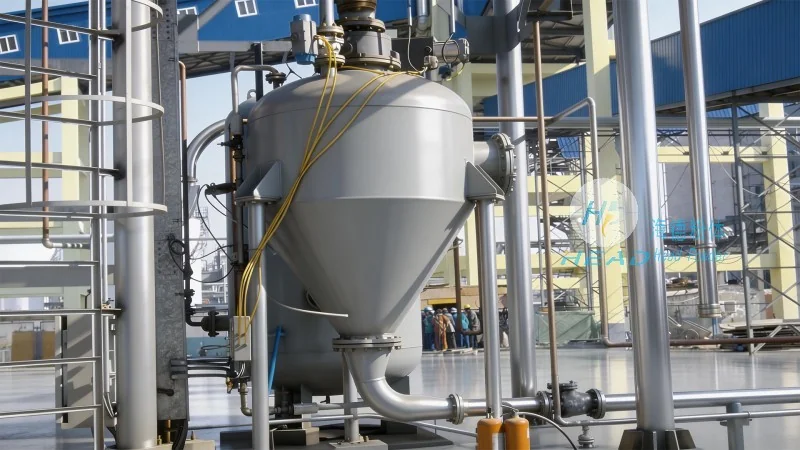
The effectiveness of shredded paper powder conveying systems is rooted in fundamental principles of physics and engineering. For mechanical conveyors, the primary principle is the use of shear and friction to move material along a conveyor path. Screw conveyors, for example, utilize a rotating screw to push the powder forward, leveraging the friction between the material and the screw surface. The speed and pitch of the screw determine the flow rate and pressure within the system. In pneumatic conveying systems, the principle of fluid dynamics is applied, where compressed air or gas is used to create a pressure differential that propels the powder through a pipeline. The design of the pipeline, including bends and valves, is critical to minimize pressure loss and maintain consistent flow. Additionally, the properties of the shredded paper powder, such as its density, moisture content, and particle size distribution, significantly impact the conveying performance. Properly understanding these properties allows engineers to select the most suitable conveying method and system configuration.
Key Considerations for Optimal Performance and Maintenance
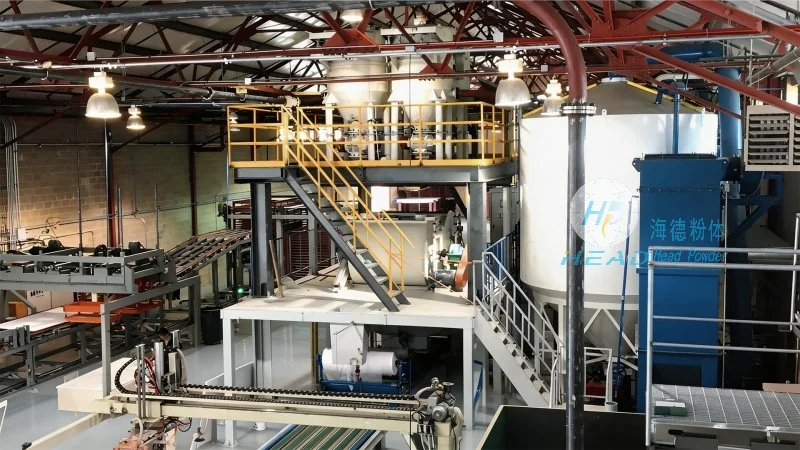
Ensuring the long-term reliability and efficiency of shredded paper powder conveying systems requires careful attention to several key factors. First, the material characteristics must be thoroughly analyzed to select the appropriate conveying technology. For instance, highly abrasive or sticky powders may necessitate specialized equipment like high-capacity screw conveyors or air-assisted systems with anti-clogging features. Second, regular maintenance is crucial to prevent issues like wear and tear on components, which can reduce efficiency and increase operational costs. This includes routine cleaning of the hopper, inspection of the conveying device, and replacement of worn parts. Third, proper system sizing is essential to match the material flow rate with the conveying capacity, avoiding overloading or underutilization of the equipment. Finally, monitoring performance metrics such as flow rate, pressure, and temperature provides valuable insights into system health and allows for proactive adjustments to maintain optimal operation.
Conclusion: The Importance of Specialized Conveying Solutions
Shandong HeadPowder Engineering Co., Ltd. recognizes that the efficient handling of shredded paper powder is critical to the success of recycling and waste management operations. By leveraging advanced technology and engineering expertise, the company provides tailored conveying solutions that address the unique challenges of this material. The operation process and working principles outlined in this article demonstrate the complexity and importance of these systems, emphasizing the need for careful design, implementation, and maintenance. As industries continue to prioritize sustainability and resource recovery, the demand for reliable shredded paper powder conveying systems will only grow, making it essential for companies to invest in high-quality, efficient solutions that meet their specific operational needs.




