Calcium carbide slag, a byproduct of the calcium carbide production process, is a fine powder that requires efficient and reliable handling for industrial applications. The calcium carbide slag powder conveying machine is a specialized equipment designed to transport this material safely and effectively. This article provides a detailed overview of the operation process and working principle of such a machine, highlighting its importance in industrial material handling and the role of Shandong HeadPowder Engineering Co., Ltd. in manufacturing and supplying these systems.
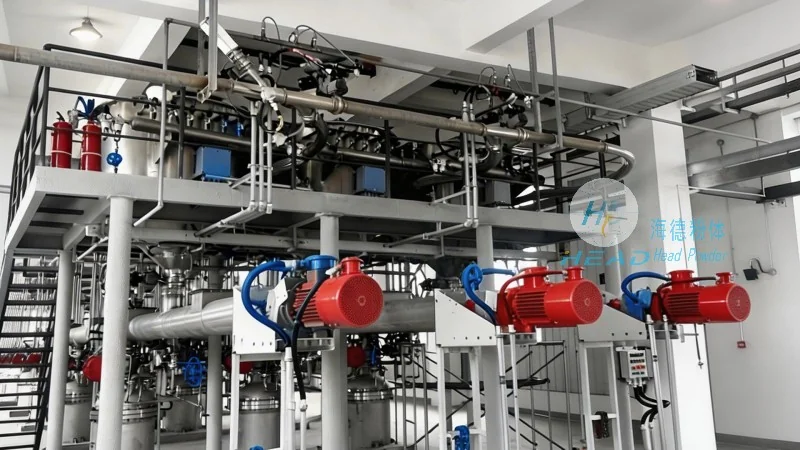
Overview of Calcium Carbide Slag Powder Conveying Machine
The calcium carbide slag powder conveying machine is engineered to handle the unique characteristics of calcium carbide slag, which includes its fine particle size, potential moisture content, and abrasive nature. These factors necessitate a conveying system that can maintain material integrity, prevent dust generation, and ensure consistent flow. The machine typically consists of several key components, including a hopper for material storage, a feeding mechanism to control the flow rate, a conveyor system (such as a screw conveyor or pneumatic conveyor), and a discharge outlet for delivering the material to the next processing stage. Each component is designed to work in harmony to achieve efficient and reliable operation.
Key Components and Their Functions
1. Hopper: The hopper is the primary storage unit where calcium carbide slag is collected before being conveyed. It is usually made of durable materials like stainless steel or high-density polyethylene to resist corrosion and wear from the abrasive material. The hopper is equipped with a lid or cover to prevent dust emissions and maintain a controlled environment. Its design ensures that the material is evenly distributed and gravity-fed into the feeding mechanism.
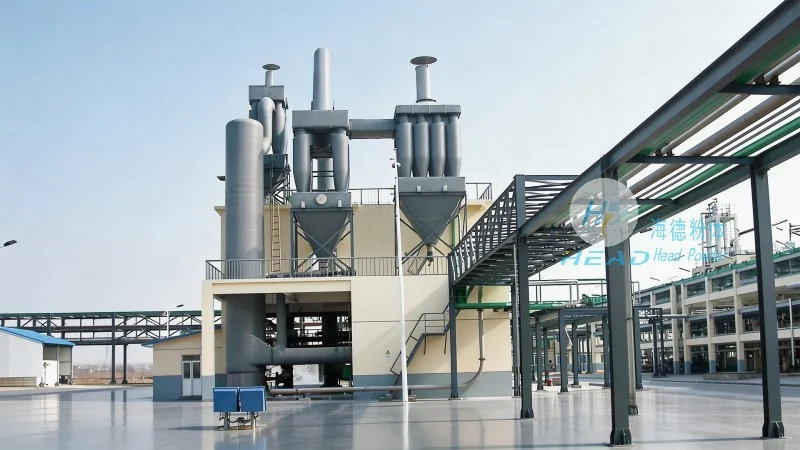
2. Feeding Mechanism: The feeding mechanism, often a rotary valve or a gate valve, regulates the flow of calcium carbide slag from the hopper into the conveyor. This component is crucial for controlling the discharge rate, preventing overloading, and maintaining a consistent material flow. Proper adjustment of the feeding mechanism ensures that the conveyor operates at its optimal capacity without causing blockages or excessive wear.
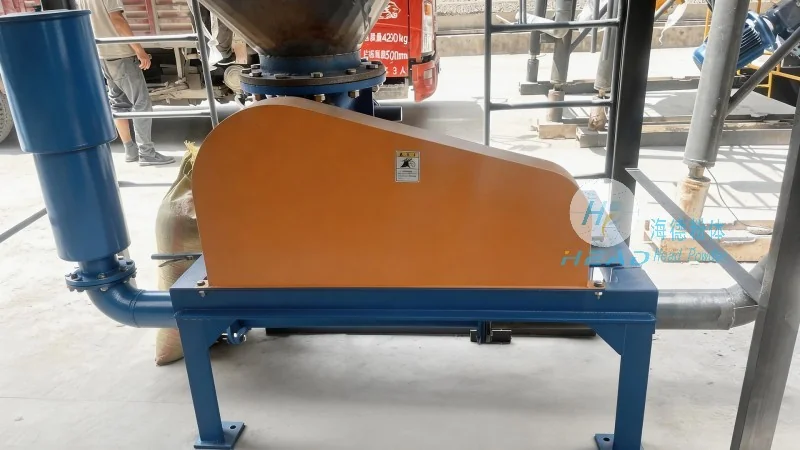
3. Conveyor System: The conveyor system is the core of the calcium carbide slag powder conveying machine. It can be either a mechanical screw conveyor or a pneumatic conveyor, depending on the specific requirements of the application. A screw conveyor uses a rotating screw to move the material forward, while a pneumatic conveyor utilizes air pressure to transport the powder through a pipeline. The choice of conveyor type depends on factors such as the material's moisture content, particle size, and the distance to be covered. Both systems are designed to handle fine powders without causing segregation or agglomeration.
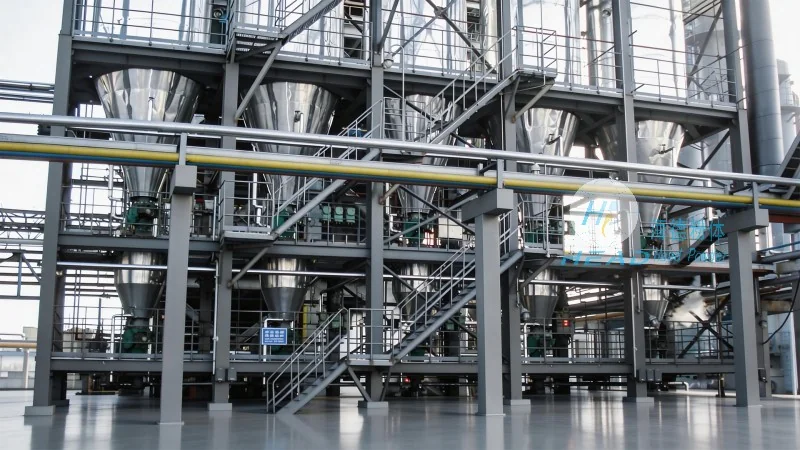
4. Discharge Outlet: The discharge outlet is where the conveyed calcium carbide slag is released into the next processing unit or storage area. It is typically equipped with a valve or a gate to control the discharge flow and prevent backflow. The outlet is designed to minimize dust emissions and ensure that the material is delivered in a controlled manner, avoiding spillage or contamination.
Operation Process of the Conveying Machine
The operation of the calcium carbide slag powder conveying machine follows a systematic process to ensure efficient material handling. The steps involved are as follows:




