Multi-functional pneumatic conveying systems represent a critical technology in modern material handling, offering efficient and flexible solutions for transporting bulk materials over long distances or within complex industrial setups. These systems are designed to handle a wide range of materials, from powders and granules to fine particles, making them indispensable in various industries such as pharmaceuticals, food processing, and chemical manufacturing. The seamless operation of these systems relies on a combination of precise engineering, advanced control mechanisms, and robust components that work in harmony to ensure reliable material transport.
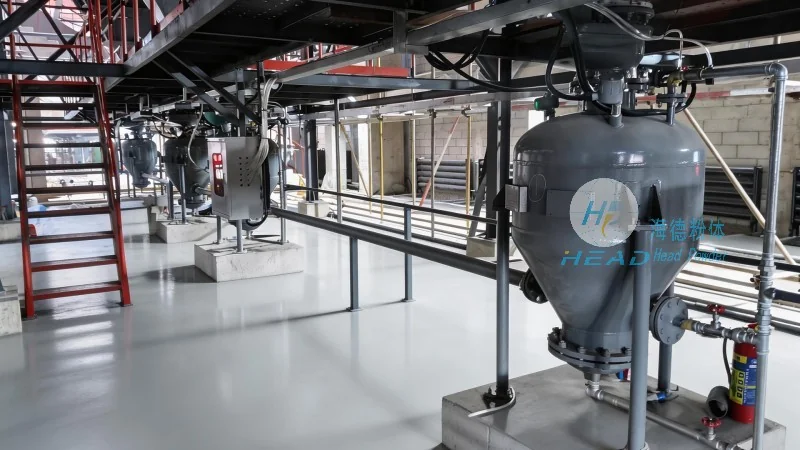
Overview of the Multi-functional Pneumatic Conveying System
At the core of the multi-functional pneumatic conveying system is a network of components that work together to create a pressurized or vacuum environment for material transport. The system typically includes a blower or compressor, a hopper for material storage, a conveying line (often equipped with bends and valves), and a receiver for the discharged material. Each component is meticulously designed to handle specific material characteristics and operational requirements, ensuring optimal performance and minimal downtime. The flexibility of these systems allows for customization based on the type of material being conveyed, the distance of transport, and the required flow rate, making them adaptable to diverse industrial applications.
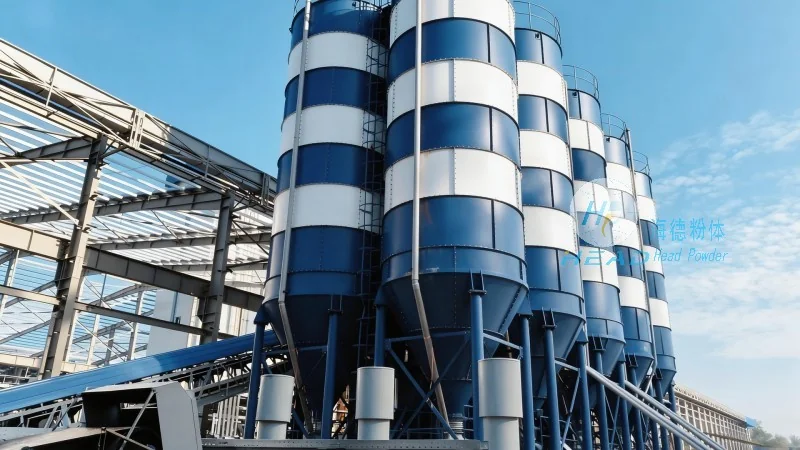
Operation Process of the Pneumatic Conveying System
The operation process of a multi-functional pneumatic conveying system involves several sequential steps that ensure the smooth and efficient movement of materials. Initially, the material is fed into the hopper from a storage silo or a manual loading station. The hopper is equipped with a feeder, such as a rotary valve or a screw feeder, which controls the flow rate of the material into the conveying line. Simultaneously, the blower or compressor generates the necessary air pressure or vacuum, depending on the system configuration. As the material enters the conveying line, it is suspended in the air stream and propelled towards the receiver. The air flow is regulated by control valves and dampers to maintain the desired velocity and pressure, preventing material degradation or blockages. Upon reaching the receiver, the material is deposited into a storage bin or a processing unit, while the air is filtered and returned to the system or released to the atmosphere. This continuous cycle allows for uninterrupted material transport, enhancing productivity and operational efficiency.
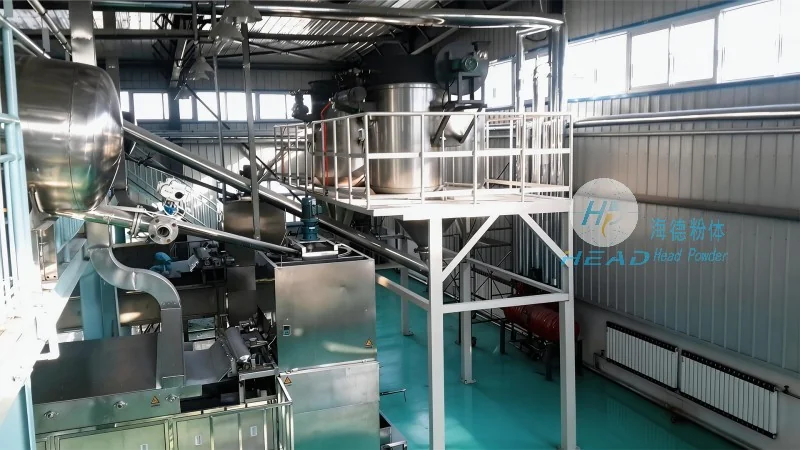
Working Principle of the Pneumatic Conveying System
The working principle of the multi-functional pneumatic conveying system is based on the fundamental physics of fluid dynamics and particle suspension. In a pressurized system, the blower increases the air pressure above atmospheric levels, creating a positive pressure that forces the material through the conveying line. The air velocity is maintained at a level sufficient to keep the particles suspended, preventing them from settling or clogging the line. In a vacuum system, the blower creates a negative pressure, drawing the material from the hopper into the line and towards the receiver. The key to effective operation lies in achieving the correct air-to-material ratio, which balances the need for sufficient air to suspend the particles with the efficiency of material transport. Advanced control systems monitor parameters such as pressure, flow rate, and material level, adjusting the air supply in real-time to optimize performance and prevent system failures. The system's ability to handle different material properties, such as particle size, density, and moisture content, is achieved through the use of specialized components like cyclone separators, filters, and adjustable valves, which ensure that the material is conveyed without degradation or loss.
Key Components and Their Functions
Several critical components contribute to the reliable operation of the multi-functional pneumatic conveying system. The blower or compressor serves as the power source, generating the necessary air pressure or vacuum. It is typically selected based on the system's capacity and the type of material being conveyed, with options ranging from rotary lobe blowers to centrifugal compressors. The hopper is designed to store the material and provide a consistent feed to the feeder, with features like a discharge cone and a level indicator to monitor material levels. The feeder, such as a rotary valve or a screw feeder, controls the material flow rate, ensuring a steady supply to the conveying line. The conveying line is made of durable materials like stainless steel or PVC, with bends and elbows that are carefully designed to minimize pressure loss and prevent material accumulation. The receiver is a storage vessel that collects the conveyed material, often equipped with a discharge valve and a level sensor. Additionally, the system includes control valves, dampers, and filters to regulate air flow, separate particles from air, and maintain system cleanliness. Each component is engineered to withstand the demands of continuous operation and the specific characteristics of the materials being handled, ensuring long-term reliability and performance.
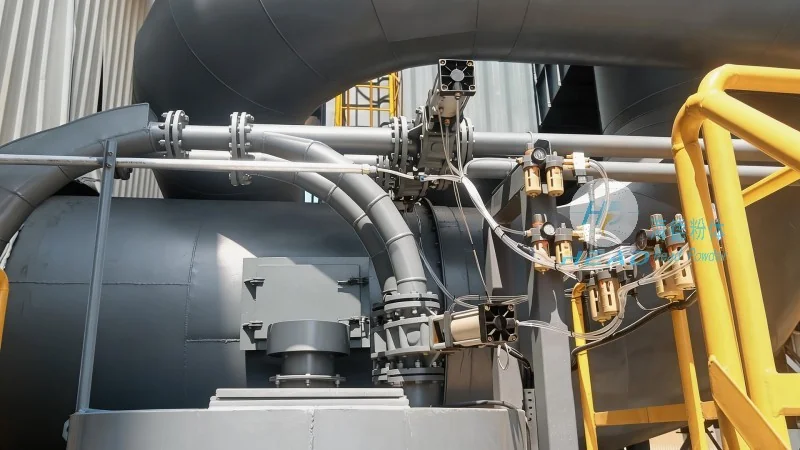
Benefits and Applications of the Multi-functional Pneumatic Conveying System
The multi-functional pneumatic conveying system offers numerous benefits that make it a preferred choice for material handling in various industries. One of the primary advantages is its ability to transport materials over long distances without the need for complex infrastructure, such as conveyor belts or elevators. This reduces installation costs and space requirements, making it suitable for both new and existing facilities. The system also provides a hygienic and dust-free environment, which is crucial in industries like food and pharmaceuticals where contamination control is paramount. Additionally, the flexibility of the system allows for easy integration with existing production lines, enabling seamless material flow and process optimization. The system's ability to handle a wide range of materials, including those that are abrasive or corrosive, makes it versatile and adaptable to diverse industrial needs. In pharmaceutical manufacturing, for example, the system can transport active ingredients and excipients with minimal risk of cross-contamination, ensuring product quality and compliance with regulatory standards. In the chemical industry, it can handle hazardous materials safely, reducing the risk of exposure to workers and the environment. The system's efficiency in terms of energy consumption and operational costs also contributes to its appeal, as it minimizes waste and maximizes productivity.




