Styrene, a vital monomer used in the production of polymers, resins, and various industrial chemicals, demands efficient and safe material handling throughout its manufacturing and processing stages. Pneumatic conveying technology provides a sophisticated solution for transporting styrene and its derivatives, offering advantages such as reduced risk of contamination, improved process control, and enhanced operational safety. This article delves into the fundamental principles, practical applications, and evolving trends in styrene pneumatic conveying systems, highlighting how advanced engineering solutions optimize industrial workflows and support sustainable manufacturing practices.
Principles of Pneumatic Conveying for Styrene
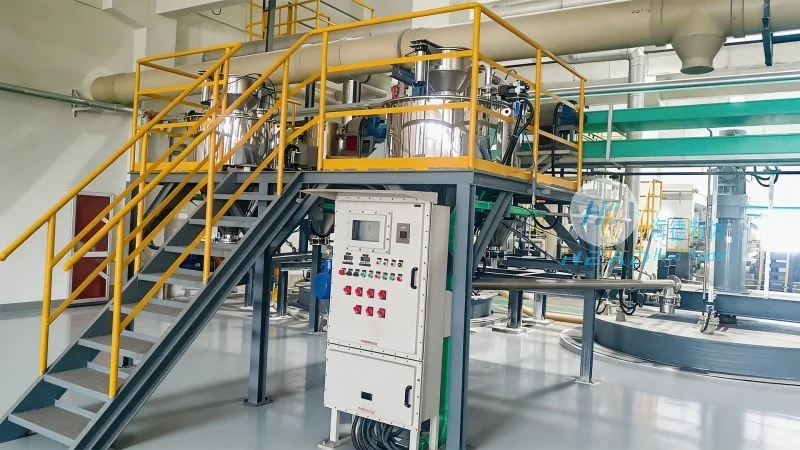
Pneumatic conveying systems operate by utilizing air or other gases to move bulk materials through a network of pipes and equipment. The core mechanism involves creating a pressure differential to propel the material from a source to a destination. Two primary types of systems are commonly employed: suction (vacuum) and pressure systems. Suction systems draw material into the pipeline using a vacuum pump, making them suitable for applications requiring gentle material handling. In contrast, pressure systems force material through the system using a positive pressure blower or compressor, often used for longer distances or when higher material flow rates are needed. For styrene, which may exist as liquid, granular, or powdered forms, specialized components like rotary valves, feeders, and cyclones are integrated into the system to ensure consistent and controlled flow. The design of the conveying system must account for material properties—including density, moisture content, particle size, and chemical reactivity—as well as operational parameters such as system pressure, pipeline length, and required flow rates. Proper system design minimizes material degradation, reduces energy consumption, and ensures reliable performance.
Applications in Styrene Manufacturing and Processing
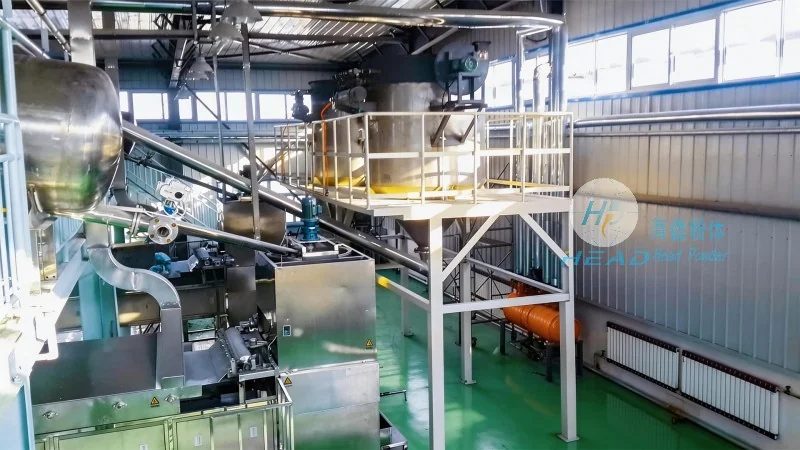
Styrene pneumatic conveying is extensively utilized across multiple stages of styrene production and downstream processing. In the initial stages, raw materials are transported from storage silos to processing units, ensuring a continuous and uninterrupted supply of feedstock. During the polymerization process, intermediate reaction mixtures are conveyed between reactors and separation units, facilitating efficient transfer of reactants and products. Post-processing steps, such as drying, filtration, and packaging, also rely on pneumatic systems to move finished products or byproducts to storage or shipping facilities. The technology is particularly advantageous in environments where traditional mechanical conveyors may pose risks, such as handling flammable or hazardous materials. By integrating pneumatic conveying with automation and control systems, manufacturers can achieve real-time monitoring of key parameters like material flow rates, pressure, and temperature, enabling precise process control and reducing downtime. For example, in a styrene plant, a pneumatic conveying system may be used to transport liquid styrene from a storage tank to a reactor, ensuring accurate dosing and minimizing waste. Similarly, in downstream operations, pneumatic systems can efficiently move dried styrene resin to packaging lines, streamlining production and improving overall efficiency.
Emerging Trends and Technological Advancements
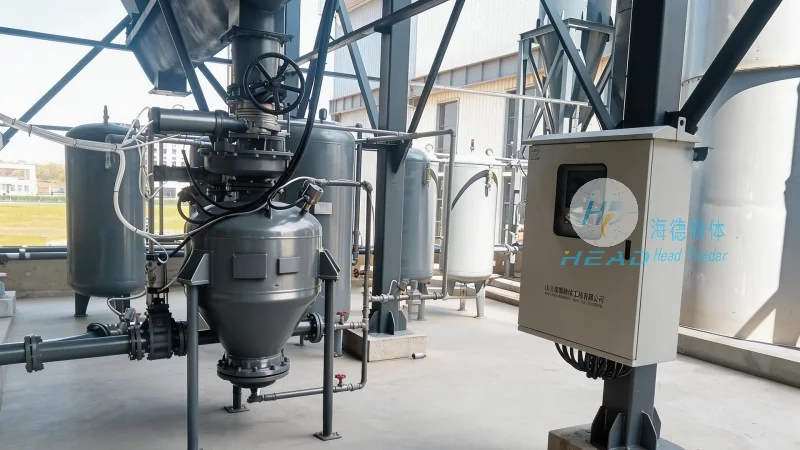
The field of styrene pneumatic conveying is continuously evolving, driven by the need for higher efficiency, lower energy consumption, and enhanced safety compliance. Modern systems increasingly incorporate advanced materials and components, such as corrosion-resistant stainless steel and high-efficiency blowers, to withstand the chemical properties of styrene and its byproducts. Automation and digitalization play a critical role, with smart sensors and control algorithms optimizing system performance and reducing operational costs. For instance, predictive maintenance systems can detect potential failures in components like rotary valves or cyclones, allowing for proactive repairs and minimizing unplanned downtime. Additionally, the integration of sustainable practices is gaining traction, with energy-efficient designs and the use of recycled materials in system construction contributing to environmental compliance. As regulatory standards for industrial safety and emissions tighten, manufacturers are investing in systems that meet or exceed these requirements, ensuring long-term operational viability. Emerging technologies, such as artificial intelligence-driven optimization and IoT connectivity, are further enhancing system performance by enabling remote monitoring and adaptive control. These advancements not only improve the reliability of styrene conveying systems but also support the broader goals of industrial sustainability and resource efficiency.
About Shandong HeadPowder Engineering Co., Ltd.
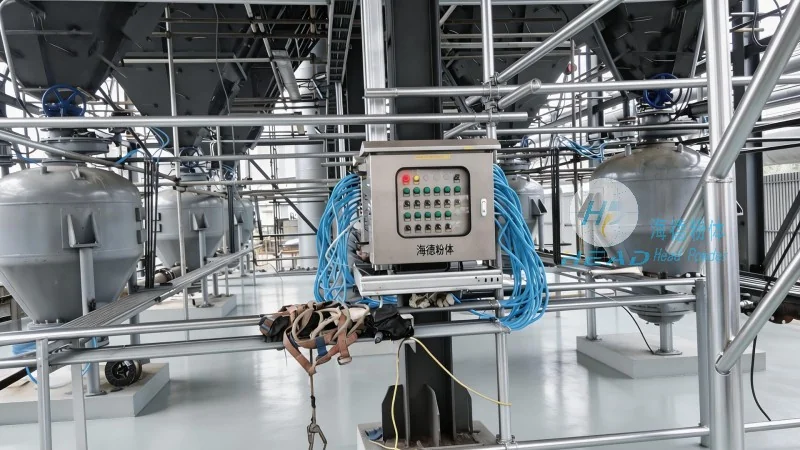
Shandong HeadPowder Engineering Co., Ltd., operating under the brand name headpowder, specializes in the design, manufacturing, and implementation of advanced pneumatic conveying solutions for the chemical and polymer industries. With a strong focus on innovation and customer-centric service, the company has developed expertise in handling challenging materials like styrene, ensuring reliable and efficient material transport. Headpowder's engineering team leverages cutting-edge technology and extensive industry experience to tailor systems that meet specific client requirements, from small-scale laboratory applications to large-scale industrial production lines. The company's commitment to quality and safety is reflected in its adherence to international standards and rigorous testing protocols, providing clients with peace of mind and operational excellence. Based in Shandong, China, headpowder serves a global clientele, delivering customized solutions that enhance productivity and reduce operational costs in the styrene and related sectors. Through continuous research and development, headpowder remains at the forefront of pneumatic conveying technology, helping clients achieve their production goals while adhering to the highest industry standards.




