When it comes to transporting vinyl ester resin using pneumatic conveying systems, preventing pipeline blockages is a critical concern for industrial operations. The smooth and efficient movement of this specialized resin is essential for maintaining production continuity and minimizing downtime. In this article, we explore effective strategies and key design parameters that can help prevent blockages in pneumatic conveying systems specifically for vinyl ester resin transport.
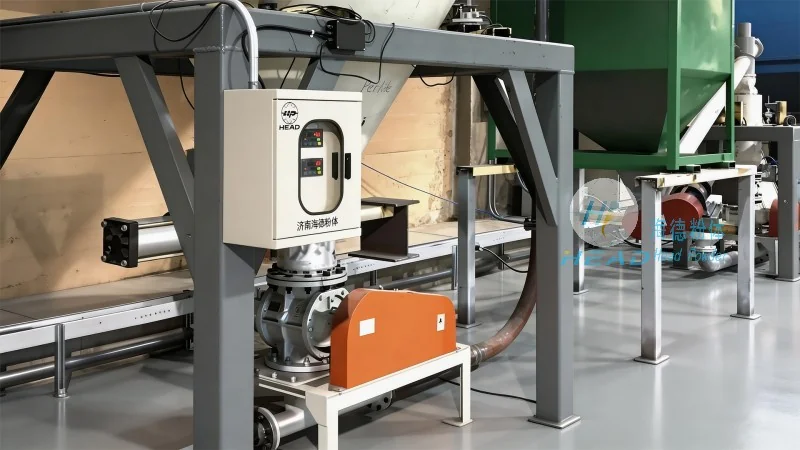
Introduction to Pneumatic Conveying Systems for Vinyl Ester Resin
Pneumatic conveying systems are widely used in the chemical and resin industries to transport materials like vinyl ester resin from one location to another. These systems utilize air or other gases to move the resin through pipelines, offering advantages such as reduced contamination, lower maintenance costs, and the ability to handle abrasive or sensitive materials. However, the unique properties of vinyl ester resin, including its viscosity and tendency to agglomerate, can pose challenges in maintaining consistent flow and preventing blockages within the conveying lines.
The Challenge of Pipeline Blockages in Resin Transport
Pipeline blockages in pneumatic conveying systems can lead to significant operational issues, including production delays, equipment damage, and increased maintenance expenses. For vinyl ester resin, which is often used in applications requiring high-performance composites, any interruption in the supply chain can have downstream effects on product quality and delivery timelines. Therefore, understanding the root causes of blockages and implementing appropriate preventive measures is paramount for industrial users.
Key Design Parameters to Prevent Blockages
Several key design parameters play a crucial role in preventing pipeline blockages when transporting vinyl ester resin via pneumatic conveying systems. These parameters are tailored to address the specific characteristics of the resin and the operational requirements of the system. The following are some of the most important considerations:
1. Airflow Velocity and Pressure
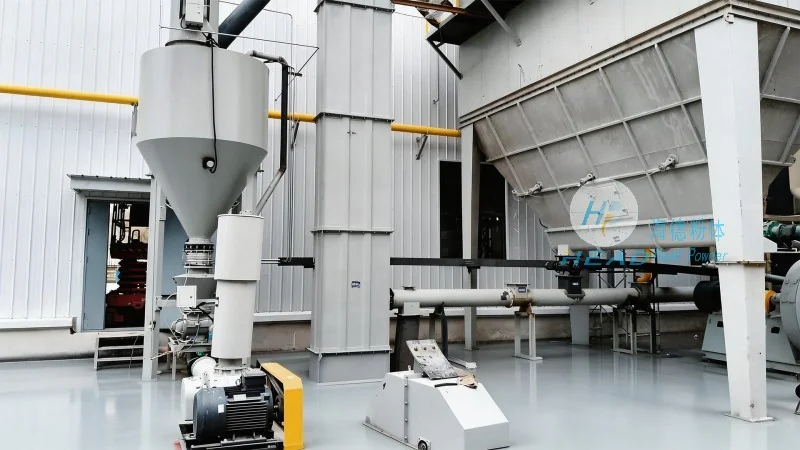
The velocity and pressure of the air or gas used in the conveying system directly impact the ability to maintain a consistent flow of vinyl ester resin. Insufficient airflow velocity can cause the resin to settle and agglomerate, leading to blockages. Conversely, excessive velocity may cause wear on the pipeline and increase energy consumption. Optimizing airflow velocity to match the resin's properties and the system's capacity is essential. HeadPowder Engineering recommends maintaining a velocity of at least 20-25 meters per second for most vinyl ester resin applications to ensure effective transport and prevent blockages.
2. Pipeline Sizing and Material Selection
The diameter and material of the conveying pipeline are critical factors in preventing blockages. Smaller pipelines may not provide enough space for the resin to flow freely, especially if the resin has a high viscosity or contains solid particles. Larger pipelines, on the other hand, may require higher air pressure and energy input. Stainless steel or other corrosion-resistant materials are often preferred for vinyl ester resin due to its chemical properties. Properly sized pipelines, typically with diameters ranging from 50 to 150 millimeters depending on the resin flow rate, can minimize the risk of blockages while ensuring efficient transport.
3. Conveying System Configuration
The configuration of the pneumatic conveying system, including the type of conveying (e.g., dilute phase or dense phase), the number of bends, and the presence of filters or cyclones, affects the likelihood of blockages. Dilute phase systems, which use high airflow rates to keep the resin suspended, are generally more effective for preventing blockages compared to dense phase systems, which use lower airflow and higher pressure. The system should also include appropriate cleaning mechanisms, such as pulse jets or manual cleaning ports, to remove any accumulated resin that may cause blockages over time.
4. Resin Preparation and Conditioning
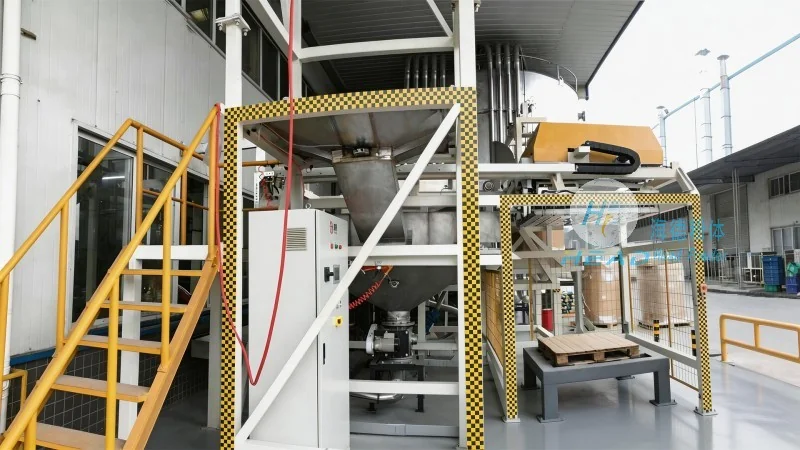
The condition of the vinyl ester resin before it enters the conveying system can significantly impact its flow characteristics. Resin that is not properly mixed or contains moisture or contaminants may be more prone to agglomerating and causing blockages. Pre-processing steps, such as pre-mixing with a carrier or using a de-aerator, can improve the resin's flowability and reduce the risk of blockages. Additionally, maintaining consistent temperature and humidity levels during storage and transport can help preserve the resin's properties and prevent degradation that may lead to blockages.
Role of HeadPowder Engineering in Optimizing Conveying Solutions
Shandong HeadPowder Engineering Co., Ltd., based in Shandong, China, specializes in designing and manufacturing advanced pneumatic conveying systems tailored to the unique needs of vinyl ester resin transport. With years of experience in the industry, HeadPowder Engineering understands the challenges associated with preventing blockages and has developed innovative solutions to address them. The company's expertise lies in customizing system designs to meet specific operational requirements, ensuring that clients can achieve efficient, reliable, and blockage-free transport of vinyl ester resin.
Conclusion: Ensuring Smooth and Efficient Resin Transport
Preventing pipeline blockages in pneumatic conveying systems for vinyl ester resin transport requires a comprehensive approach that considers airflow velocity, pipeline sizing, system configuration, and resin preparation. By implementing the key design parameters outlined above and partnering with experienced engineering firms like HeadPowder Engineering, industrial operations can minimize downtime, reduce maintenance costs, and maintain the high quality of their vinyl ester resin products. The goal is to create a reliable and efficient conveying system that supports continuous production and meets the demands of modern resin applications.




