When it comes to conveying fine powders, selecting the right system is crucial for efficiency, safety, and operational reliability. Two primary methods dominate the industry: positive pressure conveying and negative pressure conveying. Each has distinct characteristics, advantages, and applications. Understanding the differences between these two approaches is essential for making an informed decision that aligns with specific process requirements. This article explores the key factors to consider when choosing between positive and negative pressure systems for fine powder handling, providing insights into how to distinguish between them effectively.
Understanding Positive Pressure Conveying
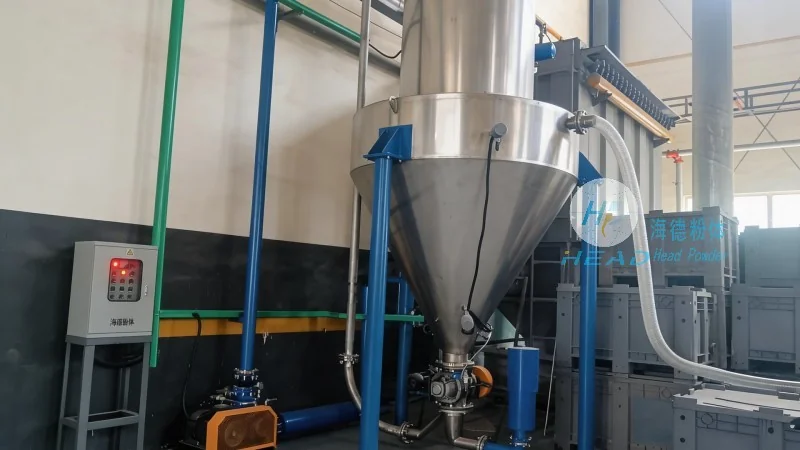
Positive pressure conveying systems operate by blowing air or gas into the material to move it through the pipeline. The system generates a pressure that is higher than the ambient air pressure, forcing the powder to flow. This method is often referred to as "blow" or "pressure" conveying. The primary advantage of positive pressure systems is their ability to handle a wide range of materials, including abrasive and corrosive powders, without causing excessive wear on the equipment. Additionally, they can transport materials over longer distances and at higher velocities compared to negative pressure systems. However, positive pressure systems require more robust equipment, such as high-pressure blowers and durable pipelines, to withstand the higher pressures involved. They also generate more noise and may require additional filtration to manage dust emissions.
Key Features of Positive Pressure Conveying
Positive pressure conveying systems typically include components like positive displacement blowers, airlocks, and flexible hoses or rigid pipelines. The airlocks are used to control the flow of material into the system, preventing backflow and ensuring consistent feeding. The blowers provide the necessary pressure to move the powder, and the pipelines transport it to the destination. This setup allows for precise control over the conveying rate and can handle materials with varying particle sizes and moisture content. The robust design of positive pressure systems makes them suitable for applications where reliability and durability are paramount, such as in chemical processing, food processing, and pharmaceutical manufacturing.
Understanding Negative Pressure Conveying
Negative pressure conveying, also known as "suction" or "vacuum" conveying, operates by creating a vacuum in the pipeline to draw the material into the system. The system reduces the pressure inside the pipeline below the ambient air pressure, causing the powder to be pulled along. This method is generally more energy-efficient than positive pressure systems, as it requires less power to operate. Negative pressure systems are often preferred for applications where the material is sensitive to high pressure or where the conveying distance is shorter. They are also less noisy and can handle materials that are prone to caking or agglomeration. However, negative pressure systems have limitations, such as lower conveying velocities and shorter distances compared to positive pressure systems. They also require careful maintenance to prevent dust from entering the system and causing blockages or damage to the vacuum pumps.
Key Features of Negative Pressure Conveying
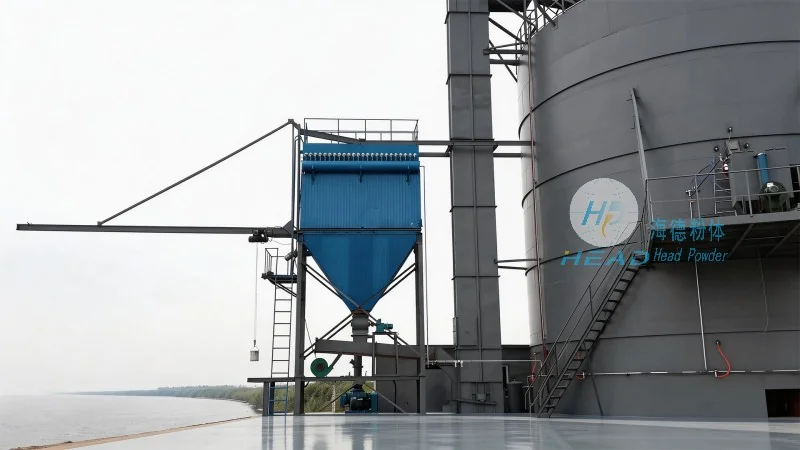
Negative pressure systems typically consist of vacuum pumps, filters, and flexible or rigid pipelines. The vacuum pumps create the necessary suction to draw the material, and the filters remove dust and debris from the air to maintain system efficiency. The pipelines are designed to handle the vacuum conditions, often using materials like stainless steel or plastic to prevent corrosion. This setup allows for gentle handling of the material, which is beneficial for products that are sensitive to pressure or temperature changes. Negative pressure conveying is commonly used in applications like dust collection, material recovery, and the handling of light, fine powders where the risk of clogging is low.
Distinguishing Between Positive and Negative Pressure Systems
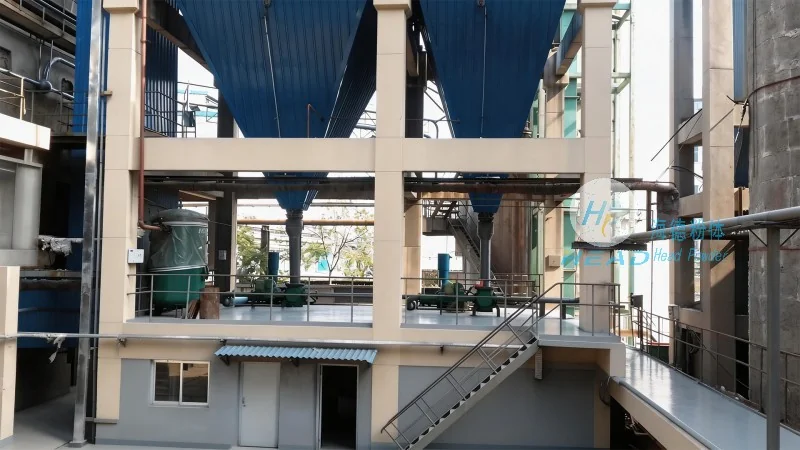
The choice between positive and negative pressure conveying depends on several factors, including the material properties, conveying distance, system complexity, and operational requirements. Here are some key considerations to help distinguish between the two:
Material Properties and Particle Size
For abrasive or corrosive powders, positive pressure systems are often preferred due to their ability to handle higher pressures and resist wear. In contrast, negative pressure systems are better suited for light, non-abrasive powders that are prone to caking or require gentle handling. The particle size also plays a role; larger particles may be more effectively conveyed by positive pressure systems, while smaller, fine powders can be handled by both, but negative pressure may be more suitable for very fine materials that are prone to dust generation.
Conveying Distance and Velocity
Positive pressure systems are ideal for longer conveying distances and higher velocities, making them suitable for applications where the material needs to be transported over several hundred meters or more. Negative pressure systems, on the other hand, are limited to shorter distances, typically up to a few hundred meters, and lower velocities. This limitation is due to the lower pressure differential and the risk of blockages in the pipeline.
Energy Efficiency and Noise Levels
Negative pressure systems are generally more energy-efficient as they operate at lower pressures and use less power. They also produce less noise, which is beneficial in environments where noise control is a concern. Positive pressure systems, while more powerful, consume more energy and generate higher noise levels, which may require additional soundproofing measures.
System Complexity and Maintenance
Positive pressure systems are more complex and require more robust components, such as high-pressure blowers and durable pipelines, which can increase maintenance costs and downtime. Negative pressure systems are simpler and easier to maintain, with components like vacuum pumps and filters that are less prone to failure. However, negative pressure systems require regular cleaning of the filters to prevent dust buildup and maintain efficiency.
Application Examples
Positive pressure conveying is commonly used in industries such as chemical manufacturing, where abrasive powders like cement or limestone are transported over long distances. It is also used in food processing for conveying flour and other fine ingredients. Negative pressure conveying is often employed in pharmaceutical manufacturing for handling sensitive powders, in dust collection systems for recovering fine particles from air streams, and in agricultural applications for handling light powders like feed or fertilizer.
Conclusion
Choosing between positive pressure and negative pressure conveying for fine powder handling requires a careful evaluation of the specific application requirements. Positive pressure systems offer higher conveying capacity, longer distances, and better handling of abrasive materials, but at the cost of higher energy consumption and maintenance. Negative pressure systems provide energy efficiency, gentle handling, and lower noise levels, but are limited by shorter distances and lower velocities. By understanding the material properties, conveying distance, and operational needs, manufacturers can select the most appropriate system to ensure efficient, safe, and reliable fine powder handling. Whether you are in the chemical, food, pharmaceutical, or agricultural industry, the right conveying system can significantly impact the overall performance and success of your operations.




