Automatic bulk material pneumatic conveying systems represent a sophisticated solution for the efficient handling and transportation of dry bulk materials in industrial settings. These systems are designed to streamline material flow, enhance operational efficiency, and ensure consistent performance across various applications. As a key component in material handling infrastructure, such systems integrate advanced control mechanisms and pneumatic technology to achieve seamless material transfer from storage to processing or packaging stages.
Key Components and Functional Overview
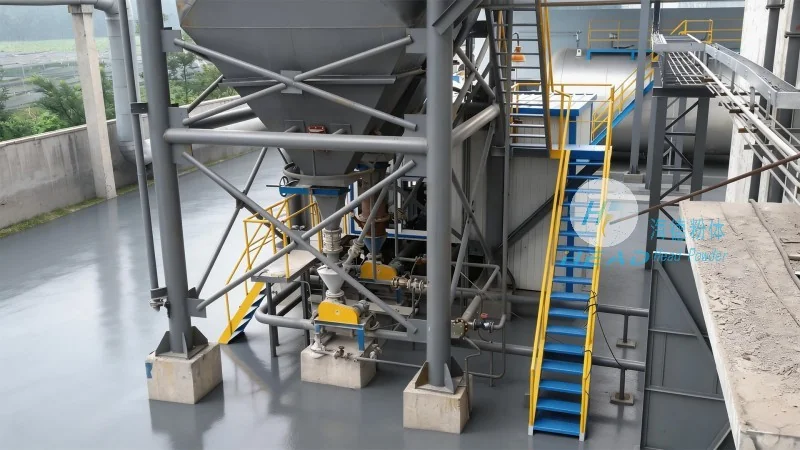
At the core of an automatic bulk material pneumatic conveying system are several critical components that work in tandem to facilitate material movement. The system typically includes a hopper or silo for material storage, a feeder to regulate material discharge, a conveying line (often equipped with ducts and valves), a blower or compressor to generate the necessary air pressure, and a receiver or discharge hopper at the destination. Each component plays a vital role in maintaining the system's operational integrity and ensuring reliable material transport. The feeder, for instance, controls the flow rate of material into the conveying line, preventing overloading and ensuring consistent air-mass ratios that are crucial for efficient pneumatic transport. The blower or compressor provides the motive force, creating a pressure differential that propels the material through the ductwork. The conveying line itself is engineered to minimize pressure loss and maintain the material's suspended state, while valves and controls regulate the flow direction and speed as needed.
Operation Process of the System
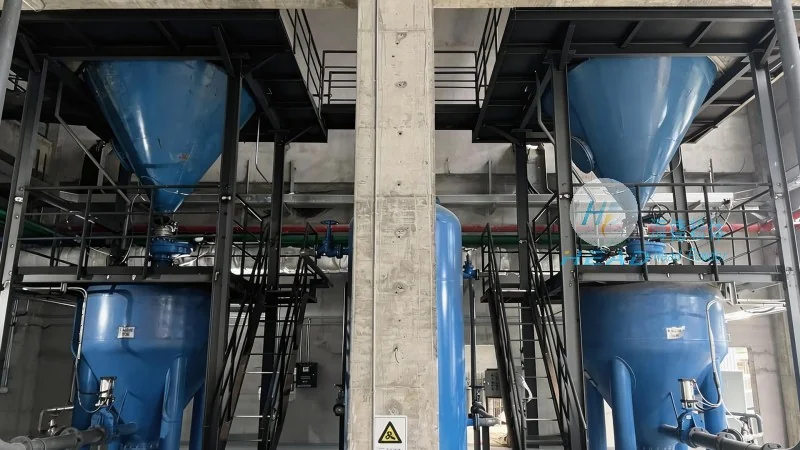
The operation of an automatic bulk material pneumatic conveying system follows a systematic sequence that ensures smooth material transfer. The process begins with the material being loaded into the storage hopper or silo. A feeder then meters the material at a controlled rate, feeding it into the conveying line. Simultaneously, the blower or compressor activates, generating a flow of air that creates a vacuum or pressure within the system. This air flow entrains the material particles, lifting them from the feeder and transporting them through the ducts to the receiving hopper. The system's control panel monitors key parameters such as pressure, flow rate, and material level, adjusting the feeder speed or blower output as necessary to maintain optimal performance. As the material reaches the destination, it is discharged into the receiving hopper, where it can be further processed or packaged. The entire operation is automated, with sensors and controls ensuring that the system operates continuously and safely, minimizing downtime and maximizing productivity.
Working Principle of Pneumatic Conveying Technology
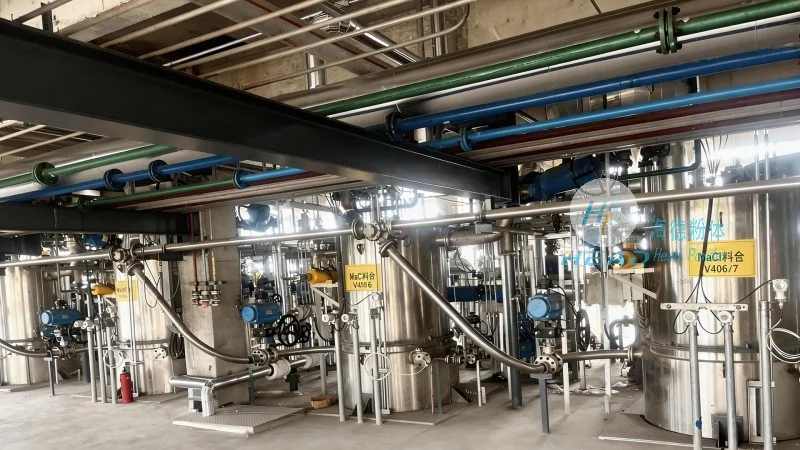
The working principle of pneumatic conveying systems is based on the physics of fluid dynamics and particle suspension. In a typical system, the blower or compressor generates a high-velocity air stream that creates a pressure differential between the inlet and outlet of the conveying line. This pressure difference propels the air and entrained material particles through the ductwork. The key to efficient transport lies in maintaining the material in a suspended state, where the air flow provides sufficient lift to overcome gravitational forces and friction within the ducts. The air-mass ratio, which is the ratio of air volume to material mass, is a critical parameter that determines the system's capacity and efficiency. Optimal ratios vary depending on the material properties, such as particle size, density, and moisture content, as well as the system's design and operating conditions. For example, fine powders may require higher air volumes to achieve proper suspension, while larger particles may need more force to remain airborne. The system's design, including the length and diameter of the ducts, the number of bends, and the type of valves, all influence the pressure drop and overall efficiency of the conveying process. Advanced systems may incorporate features like pulse-jet or rotary valves to enhance material flow and prevent blockages, ensuring consistent performance even with varying material characteristics.
Benefits and Applications of Automatic Pneumatic Conveying Systems
Automatic bulk material pneumatic conveying systems offer numerous advantages in industrial material handling, making them a preferred choice for applications requiring high efficiency, safety, and reliability. One of the primary benefits is the ability to transport materials over long distances or through complex layouts without the need for mechanical components like conveyor belts or rollers. This reduces maintenance costs and minimizes the risk of material contamination or degradation. The systems are also highly flexible, allowing for easy integration with existing production lines and adaptability to different material types, including powders, granules, and bulk solids. Additionally, pneumatic conveying systems can handle materials that are difficult to transport using traditional methods, such as dusty or abrasive substances, by maintaining the material in a suspended state and preventing direct contact with equipment surfaces. These systems are widely used in various industries, including pharmaceuticals, food processing, chemicals, and mining, where the handling of bulk materials requires precision and cleanliness. In pharmaceutical applications, for example, pneumatic conveying systems ensure that powders are transferred in a sterile and controlled environment, minimizing the risk of contamination. In food processing, the systems maintain hygiene standards by avoiding direct contact with equipment and reducing the risk of cross-contamination. The efficiency and reliability of these systems also contribute to cost savings, as they reduce labor requirements and downtime, while improving overall production throughput.
Conclusion and Company Overview
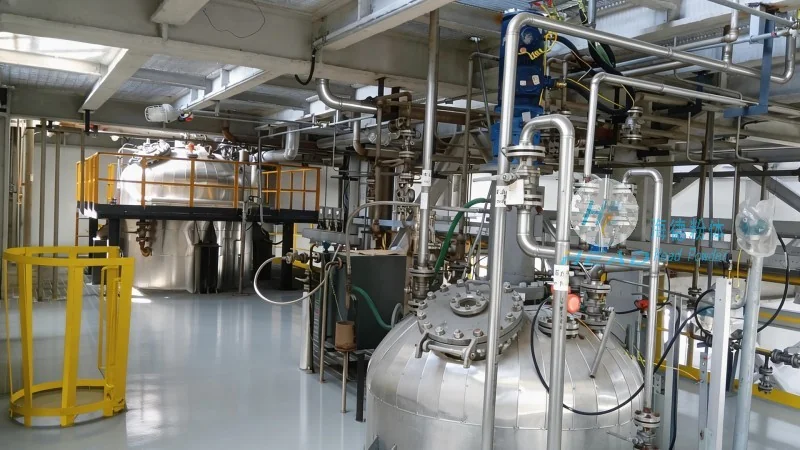
Automatic bulk material pneumatic conveying systems are essential equipment for modern industrial operations, providing a reliable and efficient means of handling and transporting dry bulk materials. The operation process, which involves controlled material feeding, air generation, and material transport, ensures seamless integration into production workflows. The working principle, based on fluid dynamics and particle suspension, enables the system to maintain optimal performance across a range of material types and conditions. The benefits of these systems, including reduced maintenance, improved safety, and enhanced flexibility, make them a valuable investment for industries seeking to optimize their material handling processes. As a leading provider in the field, Shandong HeadPowder Engineering Co., Ltd., operating under the brand name headpowder, specializes in designing and manufacturing high-quality pneumatic conveying systems tailored to the specific needs of various industries. With a focus on innovation and customer satisfaction, the company delivers solutions that enhance operational efficiency and support sustainable industrial practices. Based in Shandong, China, headpowder leverages advanced engineering and manufacturing capabilities to deliver systems that meet the highest standards of performance and reliability, helping businesses achieve their production goals with precision and efficiency.




