When designing a pneumatic conveying system for lithium hexafluorophosphate (LiPF6), several critical factors must be considered to ensure efficient, safe, and reliable operation. This article outlines key design considerations that are essential for optimizing the performance of such systems, with a focus on the specific requirements of handling this specialized chemical compound.
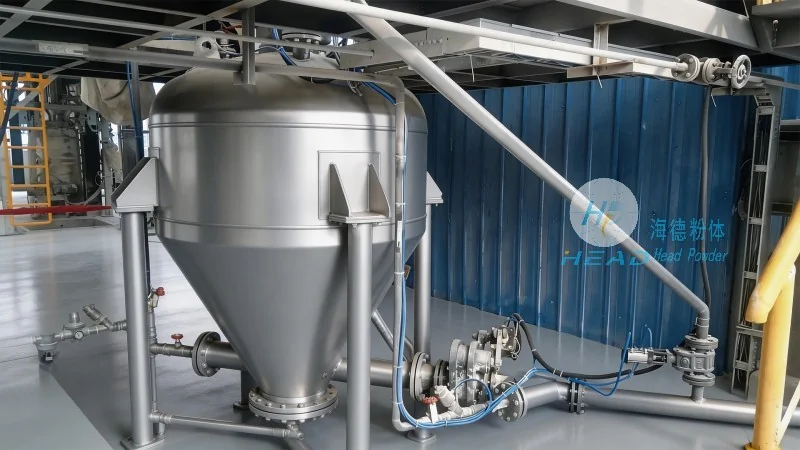
System Sizing and Material Flow Rate
One of the first steps in designing a LiPF6 pneumatic conveying system is determining the appropriate system size and material flow rate. The flow rate depends on the production capacity and the desired throughput of the lithium battery manufacturing process. It is crucial to accurately calculate the bulk density of LiPF6, as this affects the air velocity required for effective transport. Overly high air velocities can lead to excessive pressure drops and increased energy consumption, while insufficient velocities may cause material bridging or blockages in the conveying line. Proper sizing of the conveying ducts, cyclones, and other components is essential to maintain optimal air-to-material ratios and prevent system inefficiencies.
Material Properties and Handling Challenges
Lithium hexafluorophosphate is a fine, hygroscopic powder with specific physical properties that influence system design. Its fine particle size (typically 1-10 microns) makes it prone to static electricity, which can cause material accumulation and blockages. Additionally, LiPF6 is hygroscopic, meaning it absorbs moisture from the air, which can affect its performance in battery applications. To mitigate these issues, the conveying system must incorporate anti-static measures, such as grounding and ionization, and use dry, filtered air to prevent moisture absorption. The system design should also account for the material's reactivity with certain surfaces; therefore, selecting appropriate materials for the conveying components (e.g., stainless steel or PTFE-lined parts) is vital to prevent contamination and ensure material integrity.
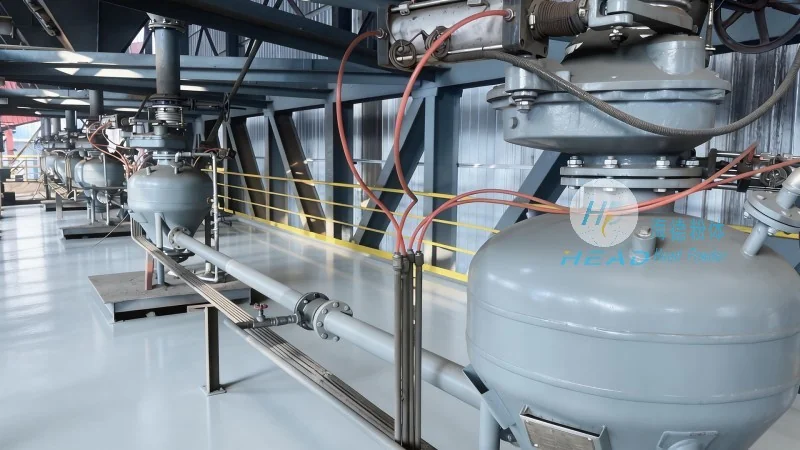
Pressure Drop and Energy Efficiency
Pressure drop is a critical parameter in pneumatic conveying systems, as it directly impacts energy consumption and system performance. The design must consider the length and diameter of the conveying line, as well as the number of bends and fittings, which all contribute to pressure losses. Using larger diameter ducts and minimizing the number of bends can reduce pressure drop and improve energy efficiency. Additionally, selecting the right type of air mover (e.g., rotary lobe blowers or positive displacement blowers) is essential. Rotary lobe blowers are often preferred for their ability to handle abrasive materials like LiPF6 without excessive wear, while maintaining high efficiency. Proper sizing of the air mover ensures that the system operates at the optimal pressure and flow rate, minimizing energy waste and operational costs.
Equipment Selection and Component Integration
The selection of conveying equipment, such as the feeders, cyclones, and filters, is another key design consideration. The feeder must be capable of handling the fine LiPF6 powder without clogging or causing uneven material flow. A rotary valve or a star feeder is commonly used for this purpose, as they provide consistent material discharge and prevent blockages. The cyclone separator is critical for separating the conveyed material from the air stream, and its design must be optimized for the specific particle size and density of LiPF6. The filter system must be capable of capturing fine particles and preventing them from escaping into the environment, while also being easy to clean and maintain. All components should be integrated seamlessly to ensure smooth material flow and minimize downtime.
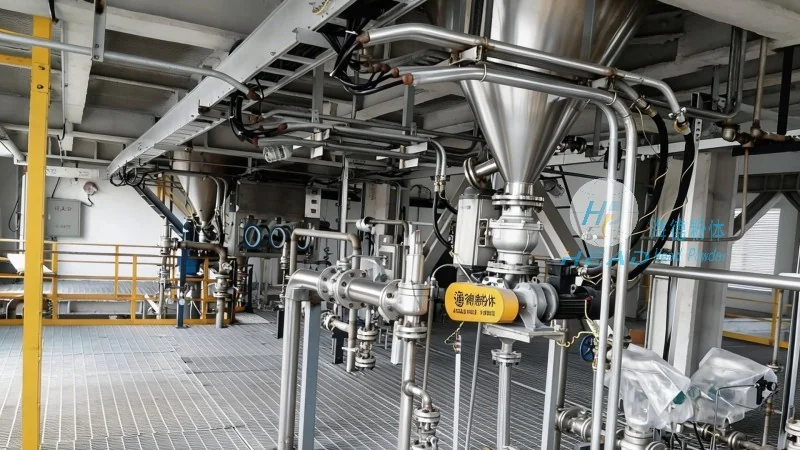
Safety and Environmental Considerations
Handling LiPF6 requires strict adherence to safety protocols due to its chemical properties and potential environmental impact. The conveying system must be designed to prevent dust explosions, which can occur due to the fine particle size and combustible nature of some battery materials. Explosion-proof designs and proper ventilation systems are essential to mitigate this risk. Additionally, the system should incorporate dust collection and filtration to prevent LiPF6 particles from being released into the air, ensuring compliance with environmental regulations. Regular maintenance and inspection of the system are also necessary to identify and address any potential safety hazards before they become critical issues.
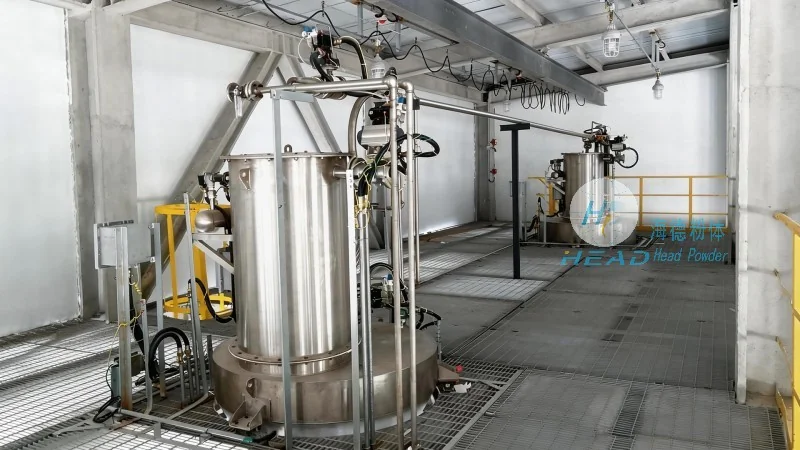
System Integration and Scalability
When integrating a LiPF6 pneumatic conveying system into a larger battery manufacturing facility, it is important to consider the overall system layout and scalability. The system should be designed to accommodate future expansion or changes in production capacity without requiring major modifications. This includes planning for additional conveying lines, storage silos, or processing equipment as needed. Proper coordination with other plant systems, such as the air supply and material handling infrastructure, is crucial to ensure seamless operation and avoid bottlenecks. The design should also account for the need for regular maintenance and spare parts availability, ensuring that the system can be quickly repaired and restored to operation when needed.
Conclusion
Designing a pneumatic conveying system for lithium hexafluorophosphate requires careful consideration of material properties, system sizing, energy efficiency, and safety. By addressing these key factors, manufacturers can ensure that their LiPF6 handling systems operate efficiently, reliably, and safely. The expertise of companies like Shandong HeadPowder Engineering Co., Ltd. (headpowder) is invaluable in providing tailored solutions that meet the specific needs of lithium battery production facilities. With proper design and implementation, these systems can significantly improve material handling processes, reduce operational costs, and enhance overall productivity in the battery manufacturing industry.




