When designing a pneumatic conveying system for activated carbon particles, several critical factors must be considered to ensure efficient operation, reliability, and cost-effectiveness. This article outlines key design considerations that are essential for optimizing the performance of such systems, with a focus on practical implementation and industry standards.
System Sizing and Material Flow Analysis
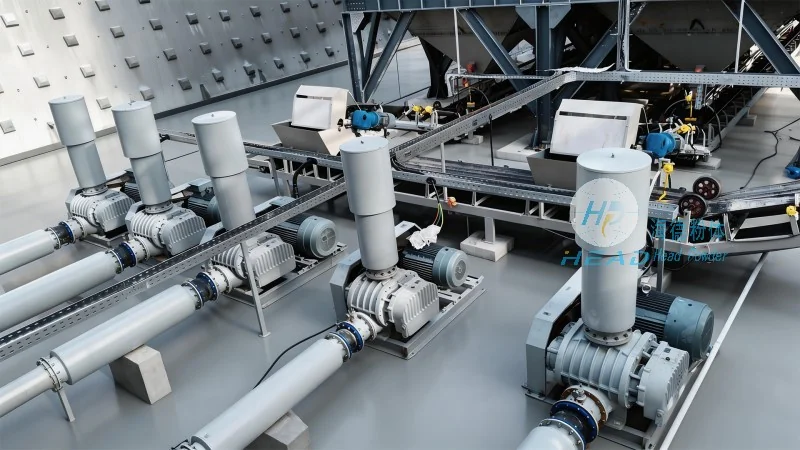
The first step in designing an activated carbon particle pneumatic conveying system is to accurately determine the material flow rate and particle characteristics. This involves conducting thorough material flow analysis to understand the bulk density, particle size distribution, and moisture content of the activated carbon. These parameters are crucial as they directly impact the selection of the appropriate conveying velocity, pressure drop, and equipment sizing. For instance, finer particles may require higher conveying velocities to prevent clogging or deposition in the pipeline, while larger particles might necessitate larger diameter ducts to maintain smooth flow. The analysis should also consider the system's capacity requirements, including the desired throughput and operational hours, to ensure the system can meet production demands without bottlenecks.
Conveying Method Selection: Dilute Phase vs. Dense Phase
Choosing the right conveying method is a pivotal decision in system design. Two primary methods are commonly used: dilute phase and dense phase pneumatic conveying. Dilute phase systems operate at higher velocities (typically 20-30 m/s) and lower pressure, relying on the momentum of the air to transport particles. This method is suitable for short to medium distances and for materials that are free-flowing and non-abrasive. However, it may not be ideal for activated carbon particles due to their tendency to cause wear on equipment and potential for dust generation. Dense phase systems, on the other hand, operate at lower velocities (5-15 m/s) and higher pressure, using a plug flow of material suspended in air. This method is more efficient for longer distances and for materials that are abrasive or have high moisture content, as it reduces wear and minimizes particle degradation. For activated carbon, the dense phase method is often preferred as it provides better control over particle movement and reduces the risk of clogging, ensuring consistent performance over extended periods.
Equipment Selection: Pneumatic Conveying Components
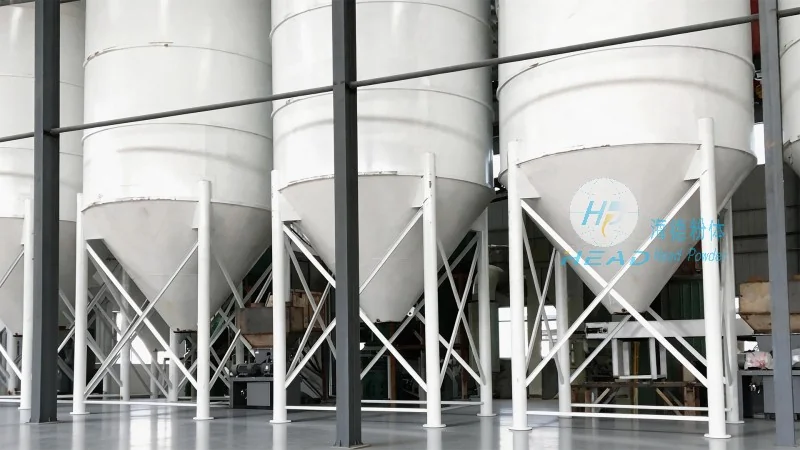
The selection of individual components, such as the feeder, air compressor, pipeline, and receiver, is critical to the overall system performance. The feeder is responsible for introducing the activated carbon particles into the system at a controlled rate. For activated carbon, which can be cohesive or have varying particle sizes, a rotary valve or a star feeder is often used to ensure consistent material feed and prevent blockages. The air compressor must be capable of delivering sufficient air volume and pressure to meet the system's requirements. Centrifugal or positive displacement compressors are commonly used, with the choice depending on the system's pressure and flow needs. The pipeline design is another key consideration, as it must be constructed from materials that are resistant to corrosion and abrasion from the activated carbon particles. Stainless steel or high-grade plastic pipes are typically used to ensure durability and prevent contamination. The receiver, where the activated carbon is collected, should be designed to minimize dust emissions and allow for easy cleaning and maintenance. Proper sealing and filtration systems are essential to maintain air quality and prevent particle loss.
Pressure Drop and Energy Efficiency
Managing pressure drop is vital for both the efficiency and cost-effectiveness of the pneumatic conveying system. Pressure drop refers to the reduction in air pressure as it travels through the pipeline due to friction and particle interaction. Excessive pressure drop can lead to increased energy consumption and reduced system performance. To minimize pressure drop, the pipeline diameter should be appropriately sized based on the material flow rate and conveying velocity. Using smooth, well-insulated pipes and minimizing bends and fittings can also help reduce friction losses. Additionally, maintaining the system's cleanliness by regularly cleaning the pipeline and equipment can prevent buildup that increases pressure drop over time. Energy efficiency is another critical factor, as pneumatic conveying systems can be energy-intensive. Selecting high-efficiency air compressors and optimizing the system's design to reduce unnecessary pressure losses can significantly lower operational costs. For activated carbon systems, this is particularly important as the material is often handled in large quantities, making energy savings a key consideration for long-term sustainability.
Material Handling and Wear Considerations
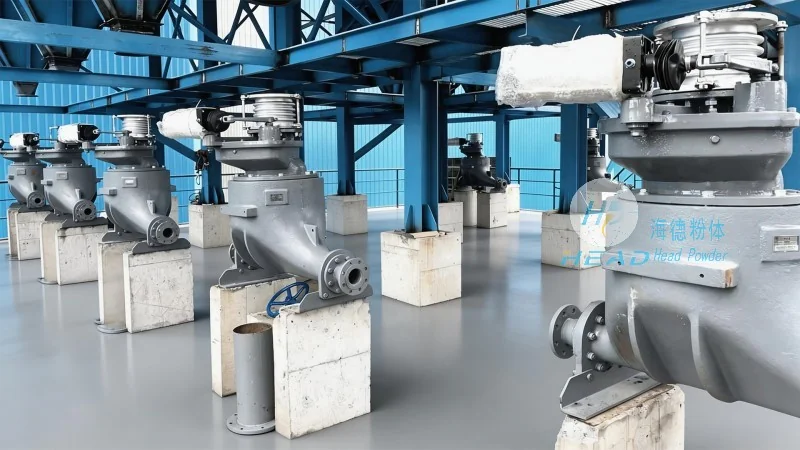
Activated carbon particles are often abrasive and can cause significant wear on system components if not properly managed. This requires careful consideration of material selection for equipment parts that come into contact with the particles. For example, the internal surfaces of the pipeline and the components of the feeder and receiver should be made from wear-resistant materials such as stainless steel, hardened steel, or specialized coatings. Regular inspection and maintenance of these components are necessary to detect and address wear issues before they lead to system failure. Additionally, the design of the system should include features that minimize particle impact and abrasion, such as smooth transitions in the pipeline and the use of soft materials or liners in areas where particles are likely to impact. Proper lubrication of moving parts and the use of wear-resistant seals can also help extend the lifespan of the equipment and reduce maintenance costs.
Environmental and Safety Considerations
Designing a pneumatic conveying system for activated carbon must also address environmental and safety concerns. Activated carbon is a fine powder that can generate dust, which poses health risks and environmental hazards if not properly controlled. The system should include dust collection and filtration systems to capture and remove airborne particles, ensuring compliance with environmental regulations and protecting the health of operators. Additionally, the system must be designed with safety in mind, including proper ventilation, emergency shutdown procedures, and protective equipment for personnel. The use of explosion-proof components may be necessary in certain applications, especially if the system operates in environments with the potential for dust accumulation and ignition sources. Ensuring that the system is properly grounded and that all electrical components are installed according to safety standards is also critical to prevent accidents and ensure safe operation.
Integration with Existing Facilities
When implementing a new pneumatic conveying system for activated carbon, it is often necessary to integrate it with existing facilities or processes. This requires careful planning to ensure compatibility and minimal disruption to current operations. The system design should consider the existing layout of the facility, including the location of the feeder, compressor, and receiver, to minimize the need for major structural changes. Additionally, the system should be designed to interface with existing control systems, allowing for seamless integration and monitoring. This may involve using standard communication protocols and control interfaces to ensure compatibility with existing equipment. Proper coordination with facility management and operations teams is essential to ensure that the new system can be integrated smoothly and that any necessary modifications to the existing infrastructure are completed efficiently.
Testing and Commissioning
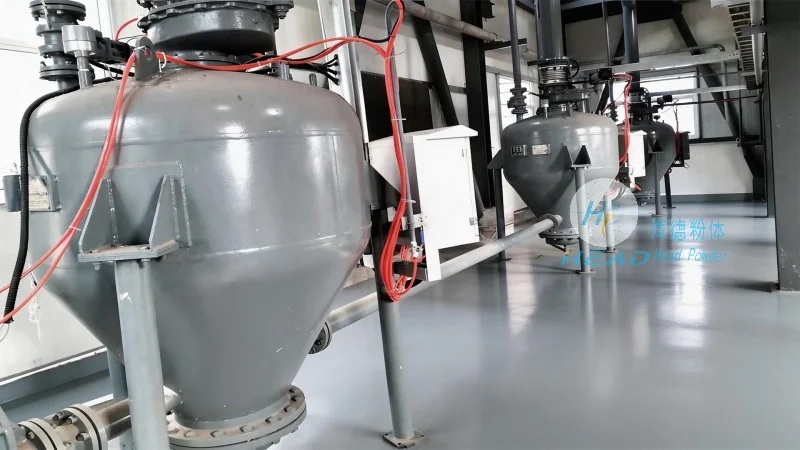
Before the pneumatic conveying system is put into full operation, thorough testing and commissioning are necessary to verify its performance and identify any potential issues. This includes conducting system start-up tests to check for proper air flow, pressure, and material feed. Performance tests should be conducted under various operating conditions, including different flow rates and particle loads, to ensure the system meets the design specifications. Any deviations from the expected performance should be identified and corrected before the system is put into regular use. Additionally, the system should be tested for durability and reliability over an extended period to ensure it can handle the expected operational demands. Proper documentation of the testing process and results is essential for future reference and to ensure compliance with quality standards.
Maintenance and Troubleshooting
Regular maintenance is crucial to ensure the long-term performance and reliability of the activated carbon pneumatic conveying system. This includes routine inspections of equipment components, such as the feeder, compressor, and pipeline, to detect any signs of wear or damage. Cleaning the system, particularly the pipeline and receiver, is necessary to prevent buildup of particles and reduce pressure drop. Lubrication of moving parts and replacement of worn components should be performed according to a scheduled maintenance plan. Troubleshooting procedures should also be established to address common issues, such as clogging, pressure drop, or air leaks. By following a regular maintenance schedule and having effective troubleshooting procedures in place, the system can be kept in optimal condition, minimizing downtime and maximizing its operational life.




