Chromic oxide, a critical material in various industrial applications, requires efficient and reliable handling solutions. The pneumatic conveying machine designed for chromic oxide processing is a sophisticated system that ensures safe and effective material transport. This article delves into the operational process and underlying principles of such a system, highlighting its importance in modern material handling.
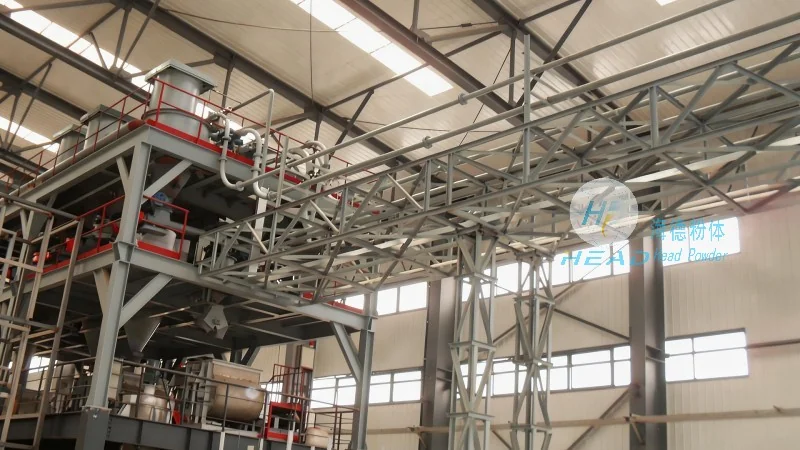
Company Overview: Shandong HeadPowder Engineering Co., Ltd.
HeadPowder, a leading manufacturer in the field of material handling equipment, specializes in developing advanced pneumatic conveying solutions. With a strong presence in China, particularly in Shandong, the company has built a reputation for quality and innovation. Their expertise in handling abrasive and reactive materials like chromic oxide positions them as a trusted partner for industries requiring precise and efficient material transport. The company’s commitment to engineering excellence ensures that their systems meet the highest standards of performance and safety.
Components and Structure of the Pneumatic Conveying Machine
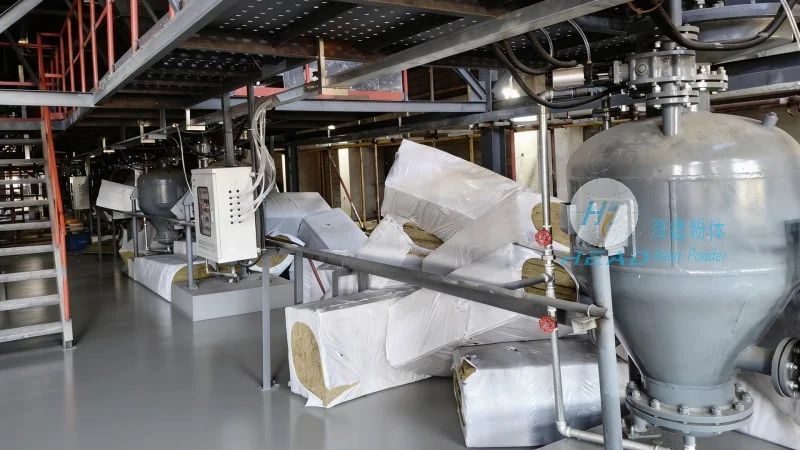
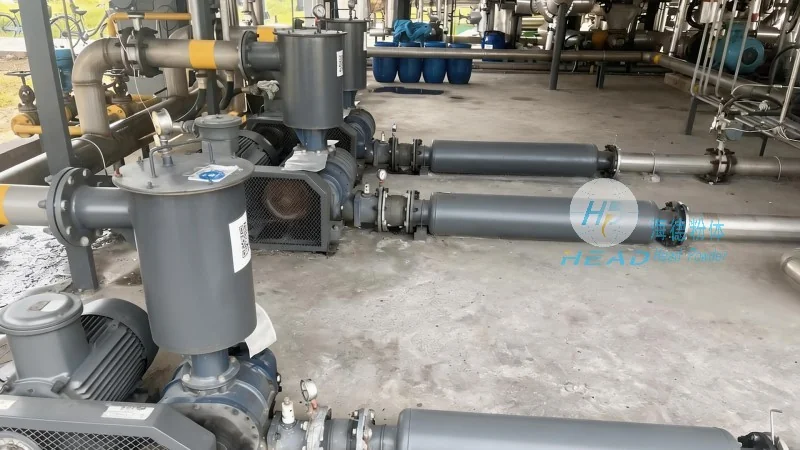
The chromic oxide pneumatic conveying machine typically consists of several key components that work in tandem to achieve effective material transport. These include the hopper, which serves as the storage and feeding unit, the air compressor that generates the necessary pressure for conveying, the pipeline system that transports the material, and the control valves that regulate the flow. Each component is designed to handle the specific characteristics of chromic oxide, such as its particle size, density, and potential reactivity. The hopper is often equipped with a rotary valve or a star feeder to control the material discharge rate, ensuring a consistent flow into the conveying line. The air compressor, usually a positive displacement type, provides the required air pressure to move the material through the pipeline. The pipeline itself is made of materials resistant to corrosion and abrasion, such as stainless steel or special alloys, to withstand the harsh conditions of chromic oxide handling.
The Working Principle of Pneumatic Conveying
The fundamental principle of pneumatic conveying is the use of air to transport solid particles. In the case of chromic oxide, the system operates by creating a high-pressure air stream that entrains the material particles and propels them through the pipeline. This method is known as pressure pneumatic conveying, which is particularly effective for materials like chromic oxide that are prone to dust generation and require controlled handling. The process begins with the material being fed from the hopper into the conveying line. The air compressor then supplies compressed air, which mixes with the material particles, creating a slurry-like mixture. This mixture is then forced through the pipeline to the discharge point, where the material is separated from the air and collected. The air is then filtered and recycled back to the compressor, ensuring energy efficiency and minimal waste.
Operation Process: Step-by-Step Guide
The operation of the chromic oxide pneumatic conveying machine follows a systematic process that ensures optimal performance and safety. The first step involves preparing the system by checking the air compressor, ensuring it is functioning correctly and has sufficient pressure. The hopper is then filled with chromic oxide, and the rotary valve is adjusted to control the feed rate. The system is then started by activating the air compressor, which generates the necessary pressure to initiate the conveying process. As the material is fed into the pipeline, it is carried by the high-pressure air stream, moving towards the discharge point. The control valves are used to regulate the flow rate and pressure, ensuring that the material is transported at the desired speed without causing blockages or excessive wear on the system components. The process continues until the hopper is empty or the required amount of material has been conveyed. The system is then shut down by first stopping the air compressor and then allowing the material to settle in the pipeline before cleaning or maintenance.
Key Features and Benefits
The chromic oxide pneumatic conveying machine offers several advantages over traditional material handling methods. One of the primary benefits is the ability to handle abrasive and reactive materials without the need for mechanical components that could be damaged or contaminated. The system is also highly efficient, as it minimizes material loss and dust generation, which is crucial for maintaining a safe working environment. Additionally, the system is flexible and can be adapted to different production requirements, with adjustable feed rates and pressure levels. The use of stainless steel and corrosion-resistant materials ensures long-term durability and low maintenance costs. The system also contributes to energy efficiency by recycling the air, reducing the overall operational costs. For industries dealing with chromic oxide, such as chemical manufacturing, pigment production, and metal processing, this equipment provides a reliable and cost-effective solution for material transport.
Conclusion and Company Commitment
In conclusion, the chromic oxide pneumatic conveying machine is a vital component in the efficient handling of chromic oxide. Its operation is based on a well-defined process and working principles that ensure safe and effective material transport. The system’s design and components are tailored to the specific needs of chromic oxide, addressing its unique properties and handling challenges. HeadPowder, with its expertise and commitment to quality, provides reliable solutions that meet the demands of modern industrial applications. By understanding the operation process and working principles of such a system, industries can optimize their material handling processes, improve efficiency, and ensure safety in the handling of chromic oxide.




