Understanding the design and operational principles of fly ash pneumatic conveying equipment is crucial for industries dealing with powder handling, particularly in power generation and construction sectors. This equipment, often referred to as a type of powder conveying system, plays a vital role in efficiently transporting fine particulate materials like fly ash from one location to another. The following sections will delve into the structural components and working mechanisms that enable such equipment to function effectively.
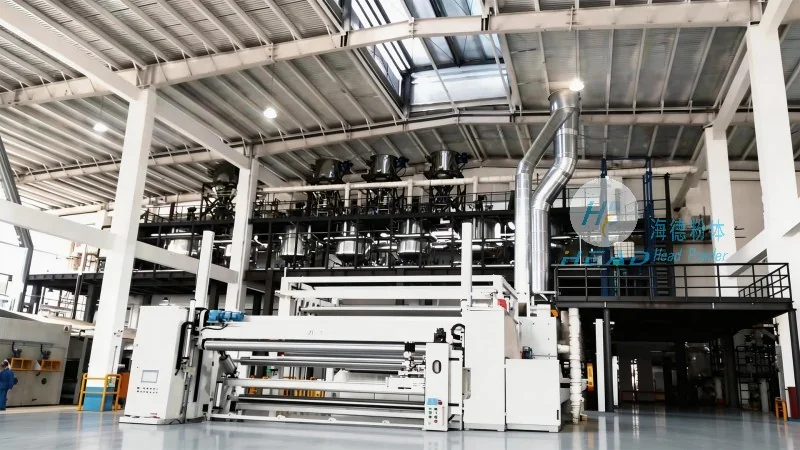
Overview of Fly Ash Pneumatic Conveying Equipment
Fly ash, a byproduct of coal combustion in thermal power plants, is a fine powder that requires specialized handling to ensure safety and efficiency. The pneumatic conveying system is an ideal solution for transporting this material due to its ability to move powders through pipelines using air pressure. Unlike traditional mechanical conveyors, which may suffer from blockages and maintenance issues, pneumatic systems offer a more flexible and reliable method for transporting fly ash. The equipment typically consists of several key components, including a hopper, feeder, air compressor, pipeline system, and receiver. Each component works in tandem to ensure the smooth and continuous movement of fly ash from the source to the destination.
Key Structural Components of the Equipment
The structural design of a fly ash pneumatic conveying system is engineered to handle the specific characteristics of fly ash, such as its fine particle size and potential for dust generation. The hopper serves as the initial storage and feeding unit, where the fly ash is collected and prepared for transport. It is usually equipped with a discharge valve or feeder mechanism to control the flow rate of the material. The feeder, often a rotary valve or screw feeder, ensures a consistent and controlled feed of fly ash into the conveying line. This prevents overloading and maintains the efficiency of the system. The air compressor is the heart of the system, generating the necessary pressure to move the fly ash through the pipeline. It can be a positive displacement compressor or a centrifugal compressor, depending on the system requirements and the volume of material to be transported. The pipeline system is made of materials resistant to corrosion and abrasion, such as stainless steel or special plastic, to withstand the abrasive nature of fly ash particles. The receiver, located at the end of the pipeline, collects the conveyed fly ash and discharges it into a storage or processing unit. It may also include a dust collection system to prevent environmental contamination.
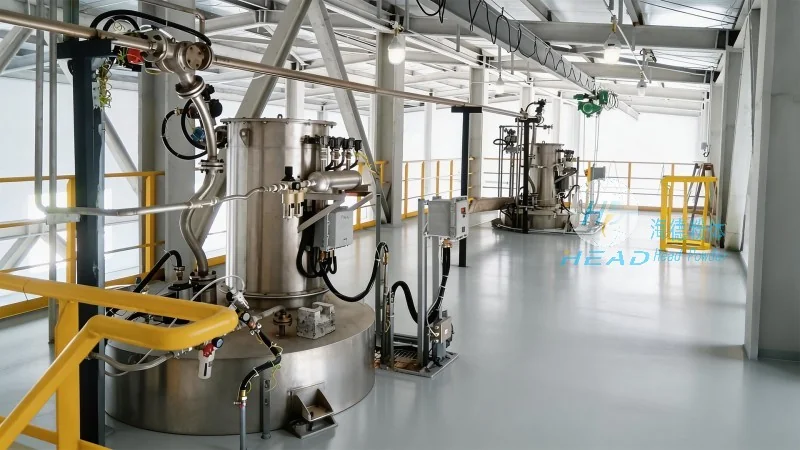
Working Principle of the Pneumatic Conveying Process
The operation of a fly ash pneumatic conveying system is based on the principle of air movement and particle suspension. When the air compressor starts, it generates a high-pressure air stream that flows through the pipeline. The feeder then introduces the fly ash into the pipeline, where the air stream lifts and transports the particles. The velocity of the air must be sufficient to keep the fly ash particles suspended and prevent them from settling or clogging the pipeline. The system typically operates in either a positive pressure or negative pressure mode. In positive pressure systems, the air compressor pushes air and material through the pipeline, while in negative pressure systems, a vacuum is created at the receiver end to draw the material. The choice between these modes depends on the distance, elevation changes, and material characteristics. The system is designed to maintain a consistent flow rate and pressure, ensuring that the fly ash is transported without excessive pressure drops or particle deposition.
Advantages of Using Pneumatic Conveying for Fly Ash
Compared to other powder handling methods, such as belt conveyors or bucket elevators, pneumatic conveying offers several advantages for fly ash transport. One of the primary benefits is the ability to handle fine and abrasive materials without significant wear and tear on the equipment. The enclosed pipeline system also reduces dust emissions and improves environmental safety. Additionally, pneumatic systems can be easily integrated with other processing equipment, allowing for a seamless flow of materials from the power plant to storage or disposal sites. The flexibility of the system allows for changes in the conveying route or capacity without major modifications, making it a cost-effective solution for varying production needs. Furthermore, the system operates with minimal maintenance, as the components are designed to withstand the harsh conditions of fly ash handling.
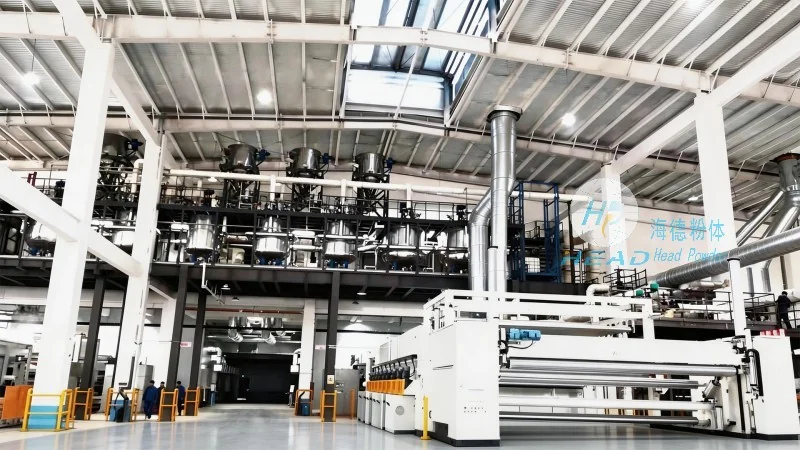
Applications and Industries Using Fly Ash Pneumatic Conveying
Fly ash pneumatic conveying equipment is widely used in various industries, with the power generation sector being the largest user. Thermal power plants use these systems to transport fly ash from the boiler to storage silos or disposal facilities. The equipment is also utilized in construction and building materials industries, where fly ash is used as a supplementary cementitious material in concrete production. Other applications include the transportation of fly ash to cement plants for use as a raw material or to waste management facilities for safe disposal. The versatility of the system makes it suitable for different scales of operation, from small-scale power plants to large industrial complexes.
Conclusion and Company Information
In conclusion, fly ash pneumatic conveying equipment is a sophisticated and efficient solution for handling fine particulate materials like fly ash. Its structural design and operational principles are tailored to meet the specific challenges of transporting such materials, ensuring safety, reliability, and environmental compliance. The system's components work together to provide a seamless and continuous transport process, reducing downtime and maintenance costs. As a leading manufacturer in this field, Shandong HeadPowder Engineering Co., Ltd. specializes in providing high-quality pneumatic conveying systems tailored to the needs of various industries. With a focus on innovation and customer satisfaction, the company ensures that its equipment meets the highest standards of performance and durability. Based in Shandong, China, HeadPowder Engineering Co., Ltd. serves clients globally, delivering reliable solutions for powder handling challenges. The company's commitment to quality and customer support makes it a trusted partner for industries relying on efficient fly ash transportation systems.




