HeadPowder, a leading manufacturer based in Shandong, China, specializes in the design and production of advanced pneumatic conveying systems for handling micronized sand powders. This article provides a detailed overview of the operation process and working principle of our micropowder pneumatic conveyor, highlighting its efficiency, reliability, and technical advantages in material handling applications.
Working Principle of the Pneumatic Conveyor
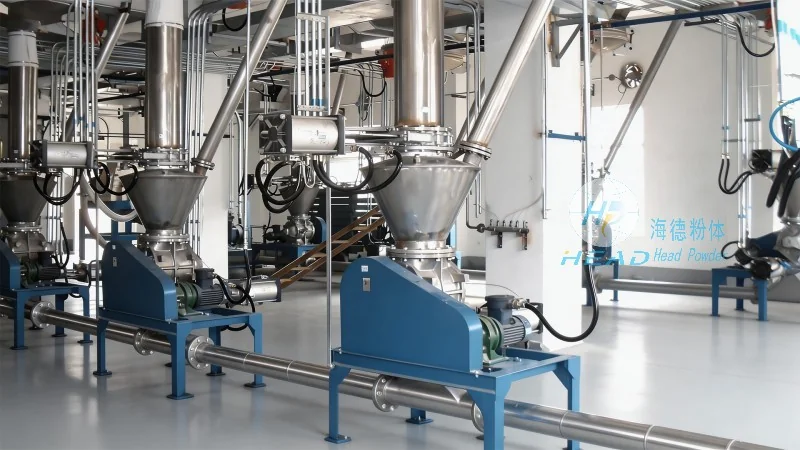
The core of the micropowder pneumatic conveying system is the air-driven mechanism that transports fine sand powders through a pipeline network. The system operates by creating a pressure differential between the inlet and outlet of the conveying line. A blower or compressor generates the necessary airflow, which is then directed into the hopper containing the micronized sand powder. As the air flows, it lifts the powder particles and propels them through the pipeline to the discharge point. This process relies on the principle of fluidization, where the air flow creates a suspension of the powder particles, allowing them to be moved efficiently without the need for mechanical components like belts or screws.
Key Components and Their Functions
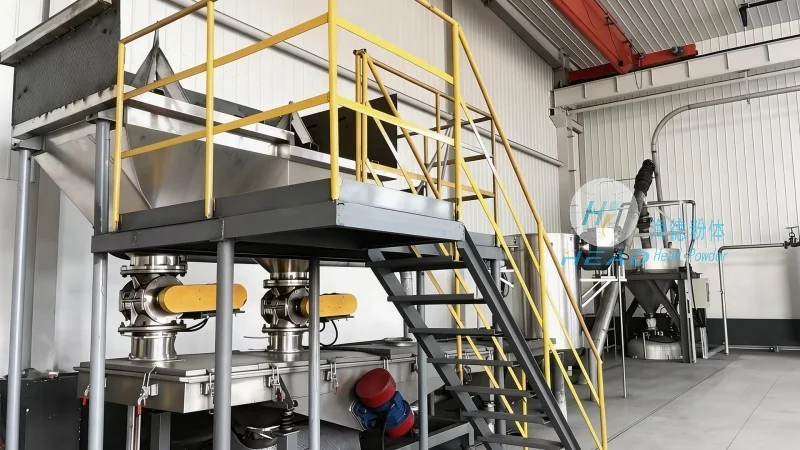
The micropowder pneumatic conveyor consists of several critical components that work in tandem to ensure smooth operation. The main components include the hopper, which serves as the storage and feeding unit for the sand powder; the air supply system, which provides the compressed air needed for conveying; the pipeline network, which transports the powder from the hopper to the discharge point; and the control system, which regulates the airflow and pressure to maintain optimal conveying conditions. Each component plays a vital role in the overall performance of the system. For instance, the hopper is designed with a sloped bottom to facilitate uniform feeding and prevent clogging, while the air supply system is equipped with filters and regulators to ensure clean and consistent air quality. The pipeline network is typically made of corrosion-resistant materials such as stainless steel or PVC to withstand the abrasive nature of micronized sand powders. The control system uses sensors and valves to monitor and adjust the airflow, preventing overpressure or underflow that could lead to system inefficiencies or damage.
Operation Process Step-by-Step
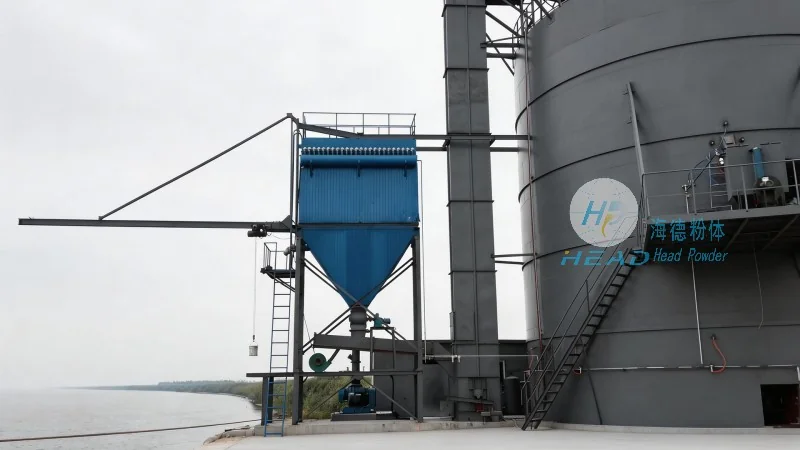
The operation of the micropowder pneumatic conveyor follows a systematic process that ensures consistent and reliable material transport. The steps involved are as follows: First, the micronized sand powder is loaded into the hopper. The hopper is then sealed to prevent dust emissions and to maintain a stable pressure environment. Next, the air supply system is activated, and the blower or compressor starts to generate the required airflow. The control system adjusts the air pressure and flow rate based on the powder feed rate. As the powder is fed into the pipeline, it is suspended by the air and transported to the discharge point. The discharge point is typically equipped with a cyclone separator or a filter to separate the powder from the air before releasing it to the target location. The system continues to operate until the hopper is empty or the required amount of powder has been conveyed. At this point, the air supply is shut off, and the system is prepared for the next batch of material.
Advantages of the Micronized Sand Powder Pneumatic Conveyor
Compared to traditional mechanical conveying methods, the micropowder pneumatic conveyor offers several advantages that make it ideal for handling fine sand powders. One of the key benefits is its ability to transport materials over long distances without the need for intermediate transfer points. This reduces the risk of material degradation and contamination, which is critical for applications where the powder quality must be maintained. Another advantage is the system's low maintenance requirements. Since there are no moving parts in contact with the powder, the risk of wear and tear is minimized, resulting in lower operational costs and longer service life. Additionally, the pneumatic conveyor is highly flexible, allowing for easy reconfiguration of the pipeline network to accommodate changes in production requirements or facility layout. This adaptability makes it suitable for various industrial applications, including pharmaceuticals, food processing, and chemical manufacturing. The system also provides better control over the conveying process, as the airflow and pressure can be precisely adjusted to optimize the transport of different powder types and sizes.
Applications and Industries
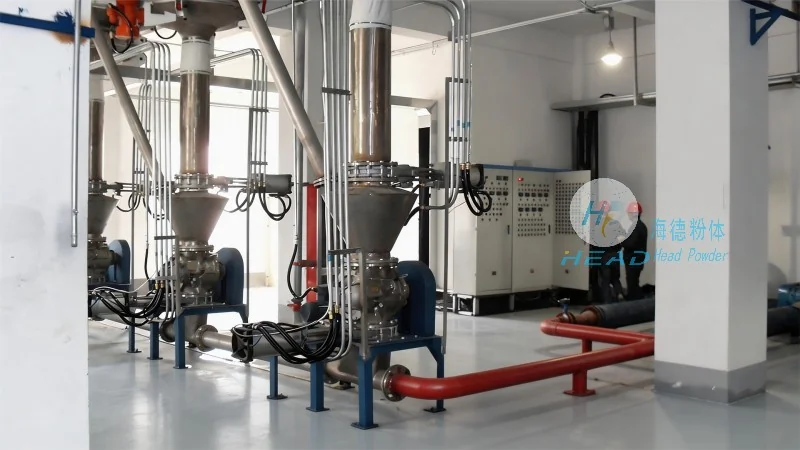
The micropowder pneumatic conveyor is widely used in various industries that require the handling of fine sand powders. Some of the key applications include the production of refractory materials, where the micronized sand is used as a raw material for making bricks and other ceramic products. In the chemical industry, the conveyor is used to transport powders such as calcium carbonate and titanium dioxide, which are used in the manufacturing of paints, coatings, and plastics. The pharmaceutical industry also utilizes the system for handling active pharmaceutical ingredients (APIs) and excipients, ensuring that the powders are transported in a sterile and contamination-free environment. Additionally, the conveyor is used in the food industry for handling ingredients like sugar, flour, and spices, where hygiene and product quality are paramount. The versatility of the micropowder pneumatic conveyor makes it a preferred choice for industries that demand high efficiency, reliability, and product integrity in their material handling processes.




