Calcium carbide dust removal powder conveying systems are vital in industrial settings, especially where calcium carbide production and processing occur. These systems efficiently manage fine powders generated during dust removal, ensuring environmental compliance and operational efficiency. Understanding their working principles and key characteristics is essential for optimizing performance and maintaining safety standards.
Working Principle of Calcium Carbide Dust Removal Powder Conveying
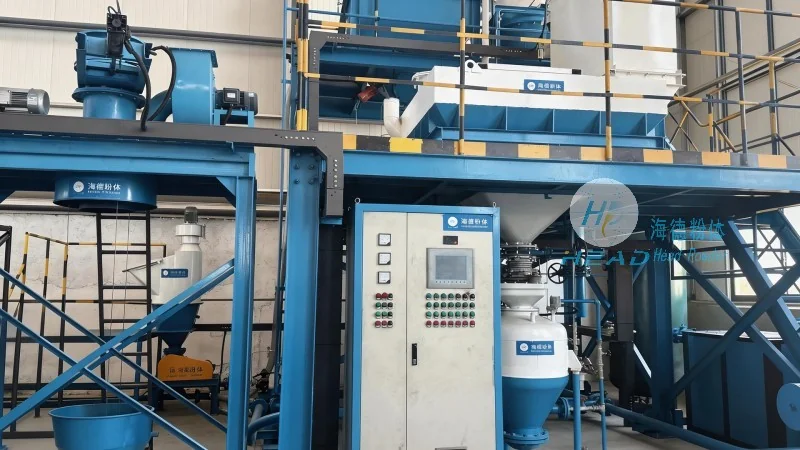
The working principle of calcium carbide dust removal powder conveying systems combines mechanical and pneumatic components to transport fine powders. The process starts with dust collection from production environments, often via filtration or cyclone separation. Collected powders are then transferred to a conveying system, which may use air pressure, vacuum, or mechanical means to move material to storage or processing areas.
Core components include dust collection hoppers, conveying ducts, and control valves. The system operates by creating a pressure differential or using positive pressure to move powder through ductwork. For example, pneumatic conveying uses compressed air to carry dust particles along pipelines. Air velocity and pressure are controlled to prevent clogging or powder degradation. Mechanical conveying systems like screw or belt conveyors may also be integrated for applications where pneumatic systems are unsuitable.
Key Characteristics of Calcium Carbide Dust Removal Powder Conveying Systems
Several defining characteristics distinguish these systems. One is their efficiency in handling fine, abrasive powders. Calcium carbide dust is hard and can cause equipment wear, so components like ducts, valves, and pumps use high-quality materials like stainless steel or wear-resistant alloys to minimize wear and extend service life.
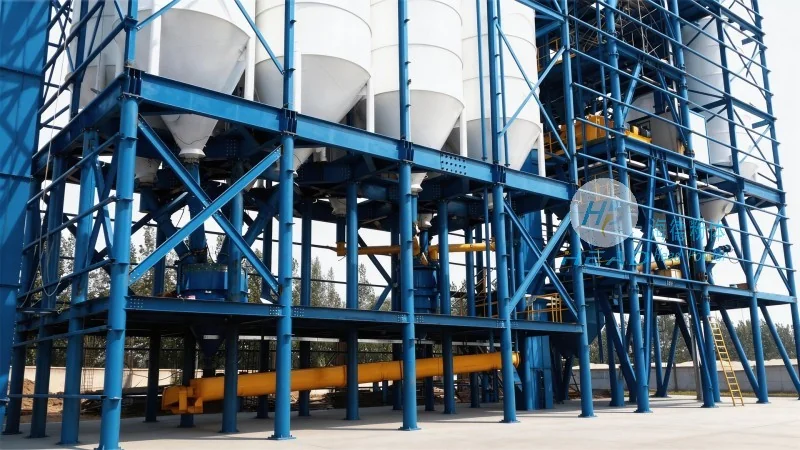
Another critical characteristic is dust containment to prevent environmental pollution. Systems feature sealed hoppers, airtight ductwork, and sealed connections to keep powders contained until reaching their destination. They also include dust collection and filtration to meet air quality regulations.
Operational flexibility is a notable trait, allowing adaptation to varying production volumes. Many systems have variable speed drives and controls to adjust conveying rates based on dust generation. This flexibility maintains consistent performance and reduces downtime during production fluctuations. Additionally, systems are designed for easy maintenance and cleaning, with accessible components to minimize interruptions.
HeadPowder's Expertise in Calcium Carbide Dust Removal Powder Conveying
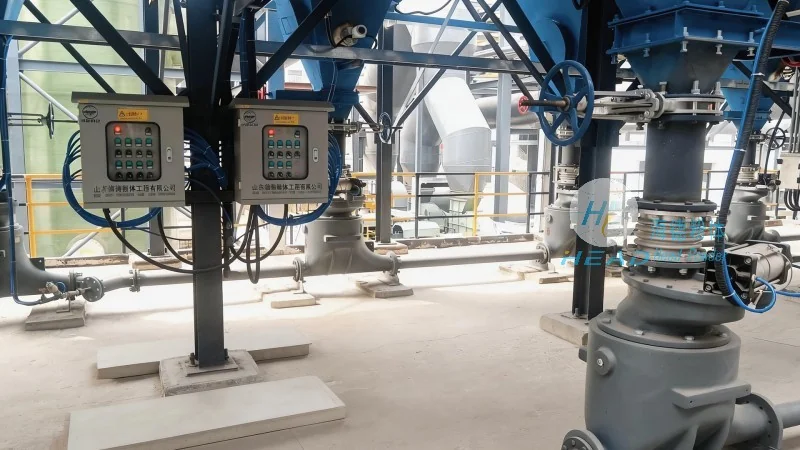
Shandong HeadPowder Engineering Co., Ltd., a leading provider, specializes in designing, manufacturing, and installing calcium carbide dust removal powder conveying systems. With extensive experience in industrial powder handling, HeadPowder develops advanced solutions tailored to calcium carbide dust's unique challenges. Engineers and technicians collaborate with clients to understand operational needs and environmental requirements, ensuring optimized performance and compliance.
HeadPowder's systems use high-quality materials and components, reflecting a commitment to durability and reliability. Stainless steel and corrosion-resistant materials withstand calcium carbide dust's abrasiveness, reducing maintenance costs and extending lifespan. The company emphasizes system integration, ensuring dust removal and conveying components work seamlessly.
HeadPowder's project execution includes comprehensive planning, installation, and post-installation support. On-site inspections, system testing, and operator training ensure effective and safe use. The company's focus on customer satisfaction and technical excellence makes it a trusted partner for industrial facilities seeking reliable dust removal and powder conveying solutions.




