Shandong HeadPowder Engineering Co., Ltd., a leading enterprise based in China, specializes in the design, manufacturing, and supply of advanced powder handling solutions. HeadPowder, as the company is commonly known, has established itself as a trusted provider of high-performance equipment for the efficient and safe transportation of lithium oxide and other fine powders. This article delves into the working principles and key features of their powder handling systems, highlighting how these technologies address the unique challenges of handling reactive and abrasive materials like lithium oxide.
The Working Principle of Lithium Oxide Powder Handling Systems
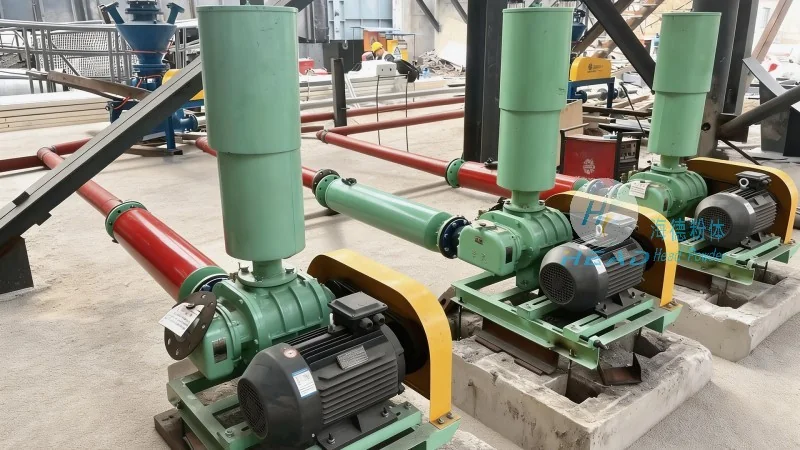
The core of any lithium oxide powder handling system is a carefully engineered combination of components that work in tandem to ensure reliable material transport. At the heart of the system is a feeding mechanism, typically a rotary valve or a screw feeder, which controls the flow rate of the lithium oxide powder from the storage silo or hopper. This initial step is critical as it prevents material buildup and ensures a consistent feed to the subsequent processing stages. Once the powder is fed, it moves into a conveying section, which may utilize pneumatic or mechanical methods depending on the specific application requirements. Pneumatic conveying systems, for instance, use compressed air to transport the powder through a pipeline, while mechanical systems rely on positive displacement pumps or screw conveyors to move the material. The conveying section is designed with features such as smooth internal surfaces and appropriate incline angles to minimize friction and prevent particle segregation or agglomeration. After the material is conveyed to the desired location, it is discharged through a controlled outlet, often another rotary valve or a gate valve, which regulates the final release of the powder into the processing equipment or storage container. Throughout this process, the system incorporates sensors and control panels to monitor parameters such as pressure, flow rate, and temperature, ensuring that the operation remains within safe and optimal limits. The integration of these components allows for a seamless and automated workflow, reducing the risk of human error and enhancing overall operational efficiency.
Key Features of Lithium Oxide Powder Handling Systems
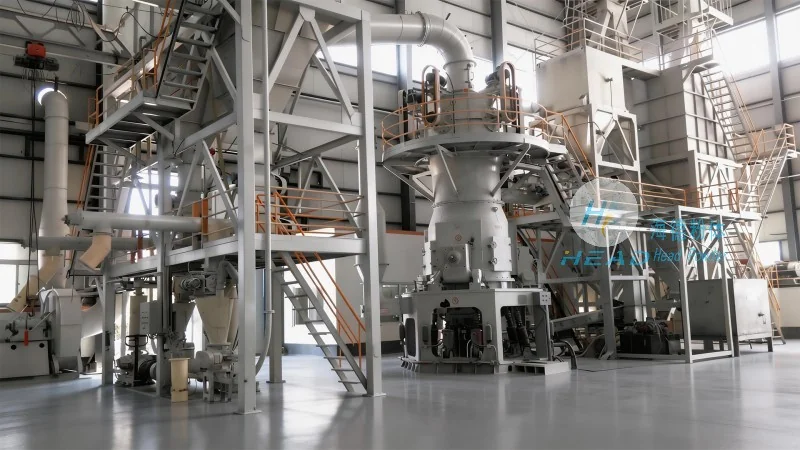
HeadPowder's lithium oxide powder handling systems are distinguished by several key features that set them apart in the industry. One of the most notable features is the use of corrosion-resistant materials in the construction of the equipment. Lithium oxide is a highly reactive material that can cause corrosion in standard metal components, so the systems are built with materials such as stainless steel, Hastelloy, or PTFE-coated parts to ensure durability and longevity. This not only extends the service life of the equipment but also maintains the purity of the powder by preventing contamination from metal particles. Another critical feature is the implementation of dust control measures. Fine powders like lithium oxide are prone to generating dust, which can pose health hazards and affect the performance of downstream equipment. The systems incorporate dust collection systems, such as cyclones or bag filters, to capture and remove airborne particles, ensuring a clean and safe working environment. Additionally, the design incorporates features to prevent material bridging and agglomeration, which are common issues in powder handling. This includes the use of agitators or vibrators in the storage silos and the incorporation of anti-static measures to prevent electrostatic discharge, which can be hazardous with reactive powders. The systems also offer customizable options to suit specific customer needs, such as varying conveyor capacities, different material feed rates, and integration with existing production lines. This flexibility allows HeadPowder to tailor the equipment to the unique requirements of each client, ensuring optimal performance and cost-effectiveness.
Benefits of Using Lithium Oxide Powder Handling Systems
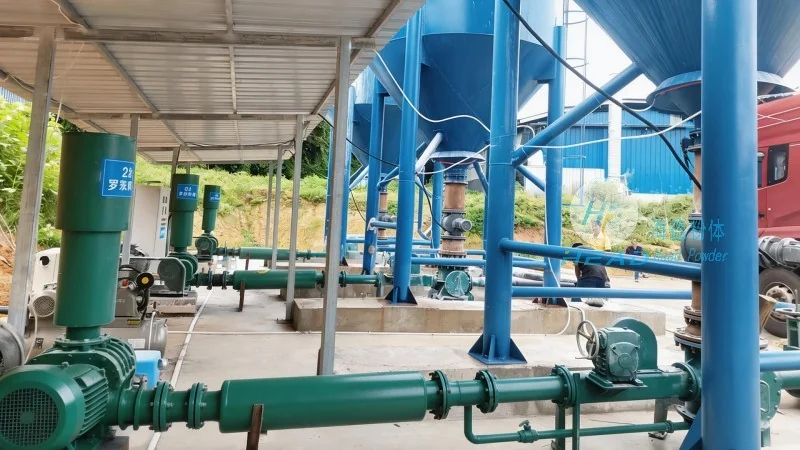
The adoption of advanced lithium oxide powder handling systems brings numerous benefits to industrial operations. Firstly, these systems significantly improve the efficiency of material transport, reducing downtime and increasing production throughput. By automating the feeding and conveying processes, the systems minimize the need for manual intervention, which not only saves labor costs but also enhances safety by eliminating the risk of handling hazardous powders manually. Secondly, the systems enhance the safety of the workplace by controlling dust and preventing the buildup of static electricity. This reduces the risk of fires, explosions, or respiratory issues associated with fine powders, thereby creating a safer working environment for employees. Thirdly, the use of corrosion-resistant materials and advanced control systems ensures the long-term reliability of the equipment, reducing maintenance costs and downtime. The systems are designed to be low-maintenance, with easy access to components for cleaning and replacement, which further contributes to operational cost savings. Additionally, the consistent flow rate and controlled discharge of the powder improve the quality of the final product by ensuring uniform material distribution in downstream processes. This leads to higher product quality and reduced waste, which is crucial for meeting stringent industry standards. Overall, the implementation of lithium oxide powder handling systems by HeadPowder provides a comprehensive solution that addresses the challenges of handling reactive and abrasive materials while enhancing operational efficiency and safety.




