HeadPowder, a leading engineering company based in Shandong, China, specializes in the design and implementation of advanced pneumatic conveying systems for handling small materials. This article provides a technical analysis of the two primary conveying modes—positive pressure and negative pressure—used in such systems, highlighting their operational principles, advantages, and typical applications.
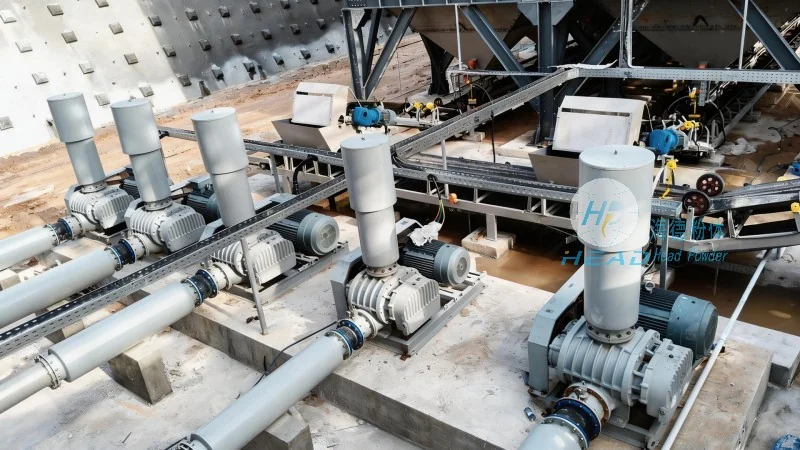
Understanding Pneumatic Conveying Systems for Small Materials
Pneumatic conveying systems are widely used in industries such as food processing, pharmaceuticals, and chemical manufacturing to transport small, dry materials like powders and granules. These systems utilize air or gas as the conveying medium to move materials from one location to another, offering advantages like reduced contamination, minimal product degradation, and the ability to handle materials in a closed system. For small materials, the choice between positive pressure and negative pressure systems is critical, as each mode has distinct characteristics that influence system design, performance, and cost.
Positive Pressure Conveying Mode: How It Works
Positive pressure conveying systems operate by generating high-pressure air or gas at the material source (e.g., a hopper or silo). The pressurized air is then used to push the material through a pipeline to the destination point. This mode is often referred to as "blow-through" or "pressure-fed" conveying. The key components of a positive pressure system include a positive displacement blower or compressor, a material feed device (like a rotary valve or star feeder), and a pipeline network that transports the material.
One of the primary advantages of positive pressure systems is their ability to handle long conveying distances and multiple transfer points without significant pressure loss. The high pressure ensures that the material is consistently propelled through the system, making it suitable for applications requiring high throughput and reliable material transport. Additionally, positive pressure systems are generally more efficient for conveying materials with high moisture content or those that are prone to caking, as the high pressure helps maintain material flow and prevents blockages.
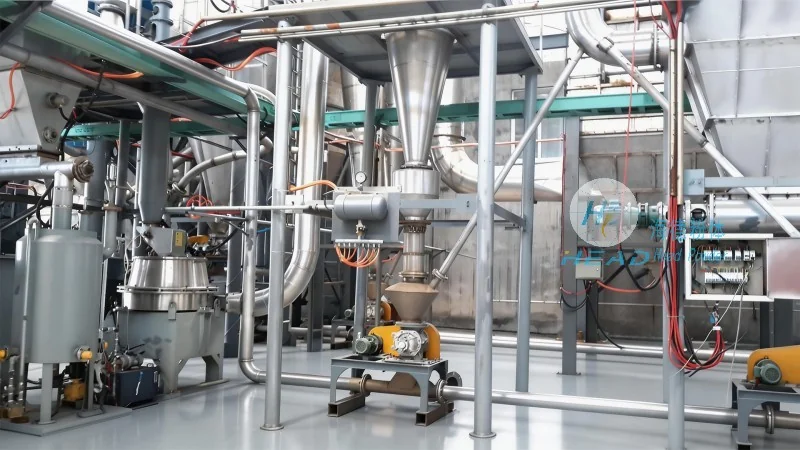
Key Features and Applications of Positive Pressure Conveying
Positive pressure systems are commonly used in industries where material handling efficiency and reliability are paramount. For example, in the food and beverage industry, they are used to transport ingredients like flour, sugar, and spices from storage to processing lines. In pharmaceutical manufacturing, positive pressure systems are employed to convey active pharmaceutical ingredients (APIs) and excipients with strict contamination control requirements. The ability to maintain a closed system and minimize product exposure to the environment makes this mode ideal for sensitive materials.
Negative Pressure Conveying Mode: Operational Principles
Negative pressure conveying systems, also known as "suction" or "vacuum" systems, operate by creating a low-pressure environment at the material source. The vacuum draws the material into the pipeline, where it is then transported to the destination. Unlike positive pressure systems, negative pressure systems do not require high-pressure equipment at the material source; instead, they rely on a vacuum pump or fan to create the suction force.
The primary advantage of negative pressure systems is their ability to handle materials that are difficult to convey under pressure, such as those with low bulk density or those that are prone to generating dust. The low-pressure environment reduces the risk of material degradation and caking, making it suitable for materials that are sensitive to high pressure or temperature. Additionally, negative pressure systems are often more cost-effective for short to medium conveying distances, as they require less powerful equipment compared to positive pressure systems.
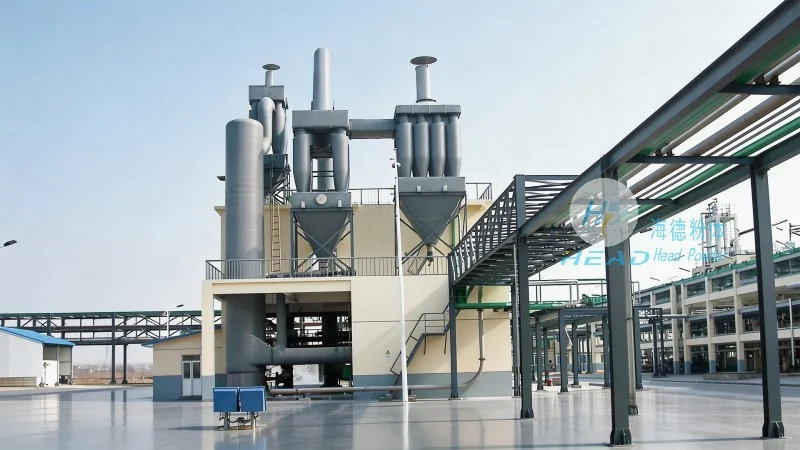
Key Features and Applications of Negative Pressure Conveying
Negative pressure systems are commonly used in applications where material is being transferred from a low point to a higher elevation, or where the material source is located in a confined space. For instance, in the chemical industry, negative pressure systems are used to transport powders from a storage silo to a processing unit located above the silo. In the agricultural sector, they are employed to convey grain or feed from a storage bin to a processing facility. The ability to handle materials with low flowability and reduce dust generation makes this mode ideal for applications where material quality and safety are critical.
Comparative Analysis: Positive vs. Negative Pressure Conveying
When choosing between positive and negative pressure conveying systems for small materials, several factors must be considered, including the material properties, conveying distance, system complexity, and operational costs. Positive pressure systems are generally more suitable for high-throughput applications and long-distance conveying, as they can maintain consistent pressure and material flow. Negative pressure systems, on the other hand, are better suited for handling materials with low bulk density or those that are prone to dust generation, as they operate under low pressure and reduce the risk of material degradation.
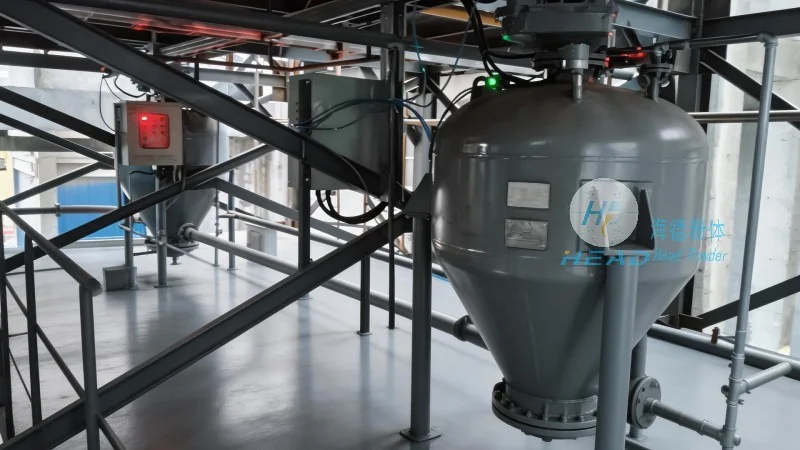
The choice of system also depends on the specific industry and application requirements. For example, in the food industry, where product safety and contamination control are paramount, positive pressure systems are often preferred due to their ability to maintain a closed system and minimize product exposure. In contrast, in the chemical industry, where material handling efficiency and cost-effectiveness are key, negative pressure systems may be more appropriate for short-distance conveying of low-density materials.
HeadPowder's Expertise in Pneumatic Conveying Solutions
HeadPowder Engineering Co., Ltd., with its headquarters in Shandong, China, has extensive experience in designing and implementing both positive and negative pressure pneumatic conveying systems tailored to the specific needs of its clients. The company's team of engineers leverages advanced technology and industry best practices to ensure that each system is optimized for performance, efficiency, and reliability. Whether a client requires a positive pressure system for high-throughput material transport or a negative pressure system for sensitive material handling, HeadPowder provides customized solutions that meet the most demanding requirements.
HeadPowder's commitment to quality and innovation is reflected in its use of high-quality components and rigorous testing procedures. The company works closely with clients to understand their operational needs and material characteristics, ensuring that the selected conveying system is both effective and cost-efficient. By combining technical expertise with a customer-centric approach, HeadPowder has established itself as a trusted partner in the design and implementation of pneumatic conveying systems for small materials.




