For the efficient handling and transportation of spices, pneumatic conveying systems have become a cornerstone in the industry. These systems utilize air to move bulk materials, offering advantages in terms of speed, cleanliness, and reduced labor costs. Two primary methods dominate the market: positive pressure conveying and negative pressure conveying. Understanding the differences between these two approaches is crucial for selecting the most suitable solution for spice processing operations. This analysis will delve into the characteristics, applications, and performance metrics of both positive and negative pressure conveying systems, providing insights for industry professionals.
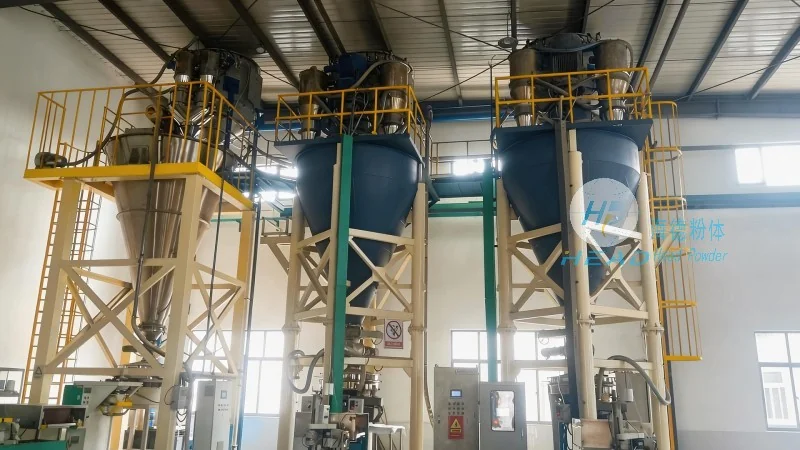
Company Overview: HeadPowder Engineering
HeadPowder, a leading provider of engineering solutions in the spice processing sector, specializes in the design, manufacturing, and implementation of advanced pneumatic conveying systems. With a strong presence in Shandong, China, the company has built a reputation for delivering high-quality, customized solutions tailored to the unique needs of spice manufacturers. HeadPowder's expertise lies in optimizing material flow, ensuring product integrity, and enhancing operational efficiency for clients across the globe. The company's commitment to innovation and customer satisfaction has positioned it as a trusted partner in the spice industry.
Positive Pressure Conveying: Advantages and Applications
Positive pressure conveying operates by blowing air into the conveying line, creating a pressure higher than the ambient air. This method is particularly effective for transporting dry, free-flowing materials like spices, as it can handle high material loads and long distances. One of the key advantages of positive pressure systems is their ability to maintain a positive pressure environment, which helps prevent contamination from external sources. This is especially important for spices, which are sensitive to moisture and airborne contaminants. Additionally, positive pressure conveying can handle abrasive materials without significant wear on the system components, making it suitable for spices that may contain small particles or seeds.
In terms of performance, positive pressure systems typically offer higher conveying rates compared to negative pressure systems. They can transport materials over longer distances, often up to several kilometers, with minimal pressure drop. This makes them ideal for large-scale spice processing facilities where materials need to be moved from storage to processing areas or between different production lines. The uniform flow and consistent pressure in positive pressure systems also contribute to better control over the material's velocity and direction, reducing the risk of product degradation or segregation.
Negative Pressure Conveying: Characteristics and Use Cases
Negative pressure conveying, on the other hand, works by creating a vacuum in the conveying line, drawing material into the system. This method is commonly used for materials that are more sensitive to pressure changes or for applications where dust control is a priority. For spices, negative pressure systems are often employed when the material is prone to generating dust or when the system needs to be integrated with existing ventilation or dust collection infrastructure. The primary advantage of negative pressure conveying is its ability to minimize dust emissions during material transport, as the system draws air and particles into the line rather than expelling them.
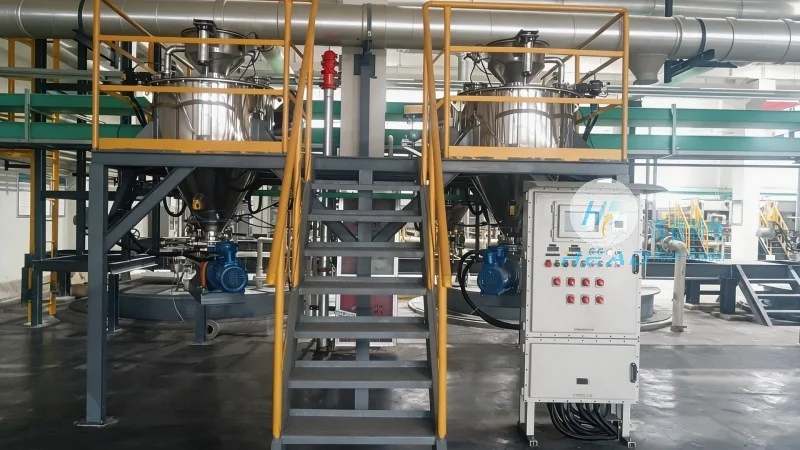
However, negative pressure systems have limitations in terms of material handling capacity and distance. They are generally more suitable for shorter conveying distances, typically up to a few hundred meters, and may require more frequent maintenance due to the higher risk of dust accumulation and system clogging. The lower pressure environment in negative pressure conveying can also lead to reduced conveying rates compared to positive pressure systems, making them less efficient for high-volume spice transport. Additionally, the vacuum created in the system can sometimes cause material to stick to the walls of the conveying line, leading to blockages if not properly managed.
Key Performance Metrics: Comparing Positive and Negative Pressure Conveying
When evaluating pneumatic conveying systems for spices, several performance metrics are critical to consider. These include conveying rate, distance capability, energy efficiency, and material handling capacity. Positive pressure systems generally outperform negative pressure systems in terms of conveying rate and distance, making them more suitable for large-scale operations. However, negative pressure systems excel in dust control and are often preferred for applications where environmental regulations are stringent or where the material is highly sensitive to pressure changes.
Energy consumption is another important factor. Positive pressure systems typically require more energy to maintain the higher pressure, while negative pressure systems may consume less energy but require additional power for vacuum generation. The choice between the two depends on the specific operational requirements and the cost-benefit analysis for the spice processing facility. For instance, a facility with high-volume spice production and long-distance transport needs may find positive pressure conveying more economical in the long run, despite higher initial energy costs. Conversely, a facility with a focus on dust control and shorter transport distances may opt for negative pressure conveying as the more suitable solution.
Material Integrity and Product Quality Considerations
Spices are delicate products that require careful handling to maintain their flavor, aroma, and nutritional properties. Both positive and negative pressure conveying systems can impact material integrity, but the methods differ in their approach. Positive pressure systems, with their higher pressure and consistent flow, are less likely to cause particle breakage or degradation. The uniform air flow helps prevent excessive agitation of the material, reducing the risk of bruising or crushing sensitive spices. This is particularly important for high-value spices like vanilla or saffron, where quality is paramount.
Negative pressure systems, while effective in dust control, may introduce more air into the system, potentially leading to increased exposure of the material to ambient conditions. This can affect the moisture content and overall quality of the spices, especially if the system is not properly sealed or maintained. However, modern negative pressure conveying systems incorporate advanced filtration and air recycling technologies to minimize these risks and maintain product quality. The key is to ensure that the system is designed with appropriate filtration and moisture control measures to protect the spices during transport.
System Design and Customization for Spice Processing
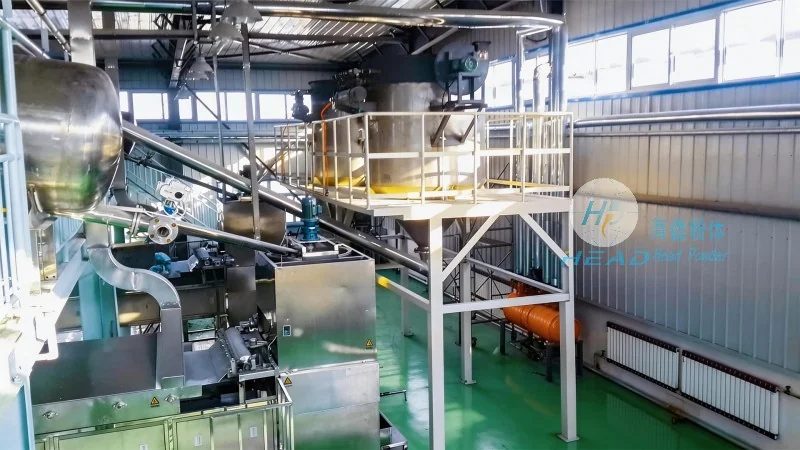
HeadPowder Engineering specializes in designing customized pneumatic conveying systems tailored to the specific needs of spice manufacturers. The company's engineers work closely with clients to assess their operational requirements, material characteristics, and facility layout to develop optimal solutions. For positive pressure systems, this may involve selecting appropriate air blowers, hose or pipe configurations, and material separation equipment to ensure efficient transport. For negative pressure systems, the focus is on vacuum generation, dust collection, and air filtration to maintain a clean and safe environment.
The customization process includes considerations such as the type of spices being handled (e.g., ground spices, whole spices, or spice blends), the desired conveying distance, and the available space in the processing facility. HeadPowder's team of experts evaluates factors like material density, flowability, and potential for dust generation to recommend the most suitable conveying method and system components. This ensures that the final solution not only meets the operational needs but also adheres to industry standards and regulatory requirements.
Conclusion: Selecting the Right Pneumatic Conveying System
Choosing between positive pressure and negative pressure conveying systems for spices requires a careful evaluation of operational needs, material characteristics, and performance requirements. Positive pressure systems offer higher conveying rates and longer distance capabilities, making them ideal for large-scale, high-volume spice processing. They are also more robust in handling abrasive materials and maintaining product integrity. Negative pressure systems, while less efficient in terms of distance and capacity, excel in dust control and are suitable for applications where environmental considerations are critical.
HeadPowder Engineering provides comprehensive solutions for both positive and negative pressure conveying systems, ensuring that spice manufacturers can select the most appropriate method for their operations. By leveraging their expertise in system design and customization, HeadPowder helps clients optimize material flow, enhance product quality, and improve overall operational efficiency. Whether a facility requires high-volume transport or stringent dust control, HeadPowder's solutions are tailored to meet the unique challenges of the spice industry, supporting businesses in achieving their production and quality goals.




