This article provides a technical analysis of pneumatic rice handling systems, focusing on the comparison between positive pressure and negative pressure conveying modes. The discussion aims to help industry professionals understand the operational principles, advantages, and practical applications of each method in rice processing and handling operations.
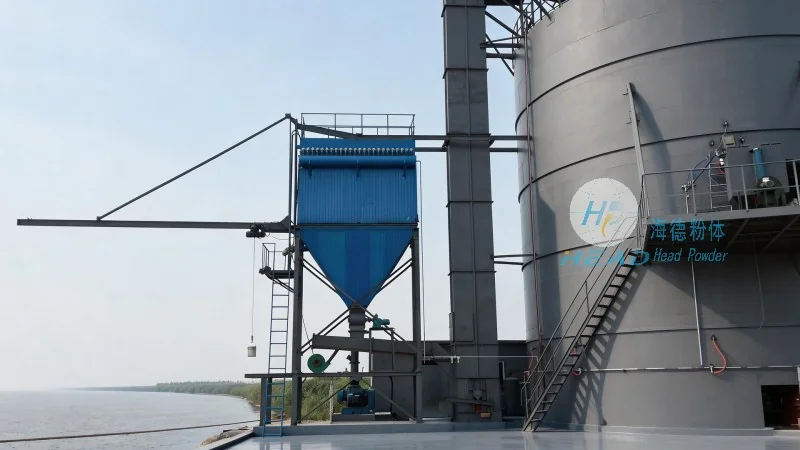
Understanding Pneumatic Conveying Principles
Pneumatic conveying is a method used to transport bulk materials like rice through a pipeline using air or gas as the conveying medium. The system typically consists of a hopper, a conveying line, and a discharge point. The key difference between positive and negative pressure systems lies in how air is introduced into the system to move the material.
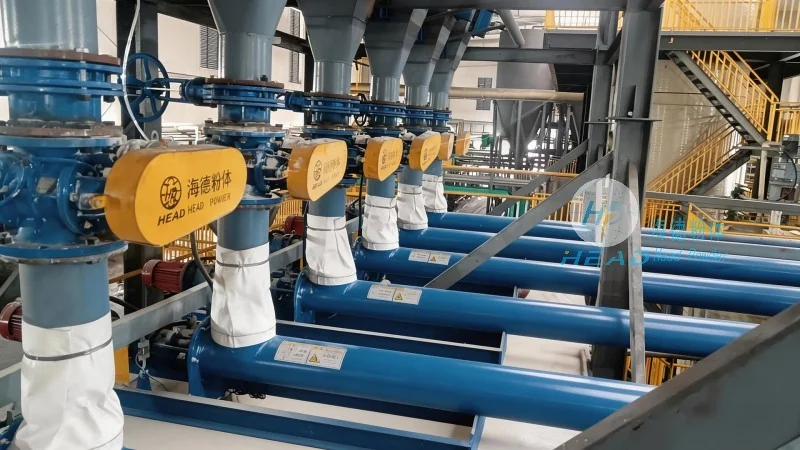
Positive Pressure Conveying Mode
Positive pressure systems operate by blowing air into the conveying line, creating a high-pressure environment that pushes the rice particles forward. This mode is often used for short to medium distance conveying and is suitable for handling materials that are less abrasive or have lower moisture content. The primary advantage of positive pressure is its ability to handle high volumes of material efficiently and maintain consistent flow rates. However, it may require more energy and can be less effective for long-distance transport due to pressure drop over longer pipelines.
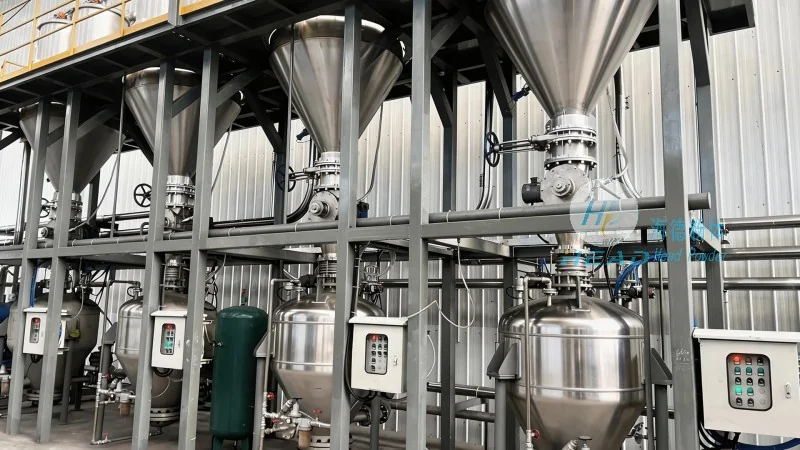
Negative Pressure Conveying Mode
Negative pressure systems, also known as suction systems, work by creating a vacuum in the conveying line, drawing the rice particles into the system. This mode is commonly used for longer distances and is ideal for applications where the material needs to be transported from a higher elevation or where dust control is a priority. The main benefit of negative pressure is its lower energy consumption compared to positive pressure, as it relies on the vacuum created by a fan or blower. However, it may be less efficient for high-volume or abrasive materials, as the suction force can be limited by the system's capacity.
Key Factors in Choosing Conveying Mode
The selection between positive and negative pressure pneumatic conveying depends on several factors, including the distance of transport, the volume of material, the material's physical properties (such as particle size, moisture content, and abrasiveness), and the required system efficiency. For instance, in rice processing plants, positive pressure might be preferred for short-distance transfers within the mill, while negative pressure could be used for transporting rice from storage silos to the processing line over longer distances.
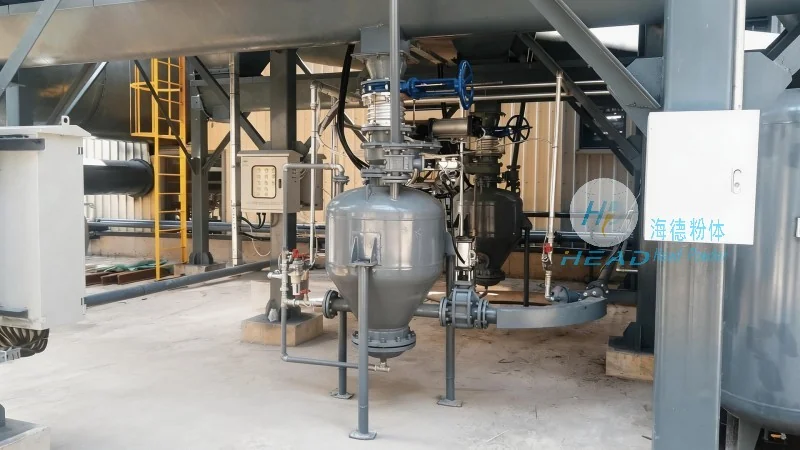
About Shandong HeadPowder Engineering Co., Ltd.
Shandong HeadPowder Engineering Co., Ltd., operating under the brand name headpowder, is a leading manufacturer specializing in the design and supply of pneumatic conveying systems for agricultural and food processing industries. With a focus on innovation and quality, the company provides customized solutions tailored to the specific needs of rice processing facilities. The company's headquarters is located in Shandong, China, where it leverages advanced engineering capabilities to develop efficient and reliable rice handling systems.




