When it comes to transporting chicken essence in industrial settings, selecting the right pneumatic conveying method is crucial for efficiency, cost-effectiveness, and product integrity. Two primary approaches dominate the industry: positive pressure conveying and negative pressure conveying. This article provides a detailed comparison of these two methods, highlighting their applications, advantages, and considerations for manufacturers like Shandong HeadPowder Engineering Co., Ltd.
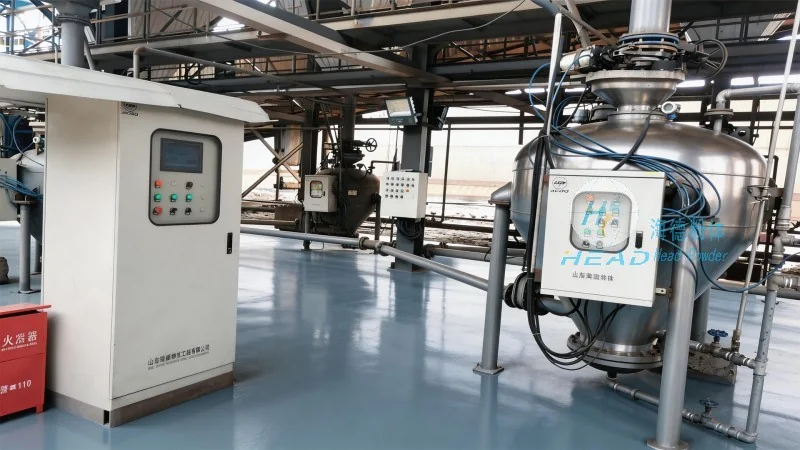
Understanding Pneumatic Conveying Basics
Pneumatic conveying uses air to move bulk materials through a pipeline system. The choice between positive and negative pressure systems depends on factors such as material properties, distance, and the need for containment. Both methods are widely used in the food processing industry, particularly for handling sensitive products like chicken essence, which require gentle handling to preserve flavor and quality.
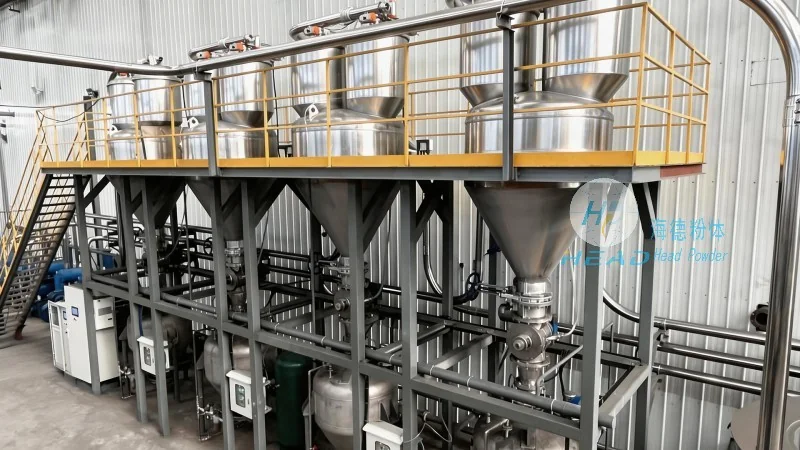
Positive Pressure Conveying: Advantages and Applications
Positive pressure conveying operates by blowing air into the conveying line, creating a pressure higher than the ambient air. This method is often preferred for long-distance or high-volume transport. For chicken essence, positive pressure systems are suitable when the material is free-flowing and non-abrasive. A key advantage is the ability to handle materials over extended distances without significant pressure loss. Additionally, positive pressure systems can be designed with multiple inlets and outlets, allowing for complex material routing. However, they may require more robust equipment and higher energy consumption compared to negative pressure systems.
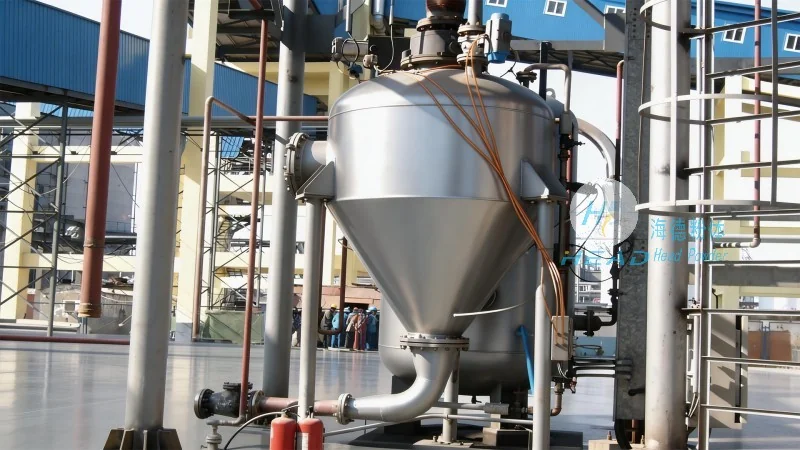
Negative Pressure Conveying: Benefits and Limitations
Negative pressure conveying, also known as suction conveying, works by creating a vacuum in the line, drawing material into the system. This method is ideal for short-distance transport or when the material is dusty or requires minimal disturbance. For chicken essence, negative pressure systems are beneficial when the product is sensitive to pressure changes or when the conveying distance is short. A major advantage is the lower energy consumption and simpler equipment setup. However, they are less effective for long-distance transport due to pressure drop and material degradation risks. Additionally, negative pressure systems may pose higher risks of dust emissions if not properly sealed.
Key Considerations for Choosing Between Methods
When selecting a pneumatic conveying system for chicken essence, several factors must be evaluated. The first is the material's physical properties, such as particle size, moisture content, and abrasiveness. Free-flowing, non-abrasive chicken essence may perform better with positive pressure systems, while more cohesive or dusty materials might suit negative pressure. The conveying distance is another critical factor; long distances typically favor positive pressure, while short distances can use either method. Cost is also a significant consideration, as positive pressure systems often require more maintenance and energy. Manufacturers like Shandong HeadPowder Engineering Co., Ltd. often provide customized solutions based on these factors, ensuring optimal performance and efficiency.
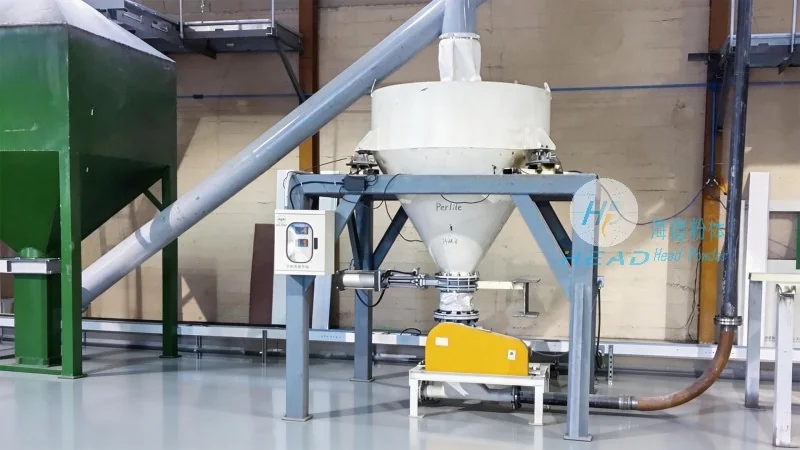
Conclusion: Balancing Efficiency and Product Integrity
Both positive and negative pressure pneumatic conveying methods have their place in the chicken essence industry. Positive pressure systems excel in long-distance, high-volume transport with robust equipment, while negative pressure systems offer simplicity and lower energy use for shorter distances. The choice ultimately depends on the specific application, material characteristics, and operational requirements. By understanding the advantages and limitations of each method, manufacturers can select the most suitable system to maintain product quality and operational efficiency. Shandong HeadPowder Engineering Co., Ltd. specializes in designing and implementing these systems, providing tailored solutions to meet the diverse needs of the food processing industry.




