When it comes to material handling in industrial settings, PVC pneumatic conveying systems offer efficient and versatile solutions for transporting bulk materials. These systems utilize air or gas to move powders, granules, and other particulate materials through a pipeline network. A key aspect of these systems is the choice between positive pressure and negative pressure conveying modes, each with distinct characteristics and applications. This article provides a technical analysis of both modes, highlighting their differences, advantages, and considerations for various industrial processes.
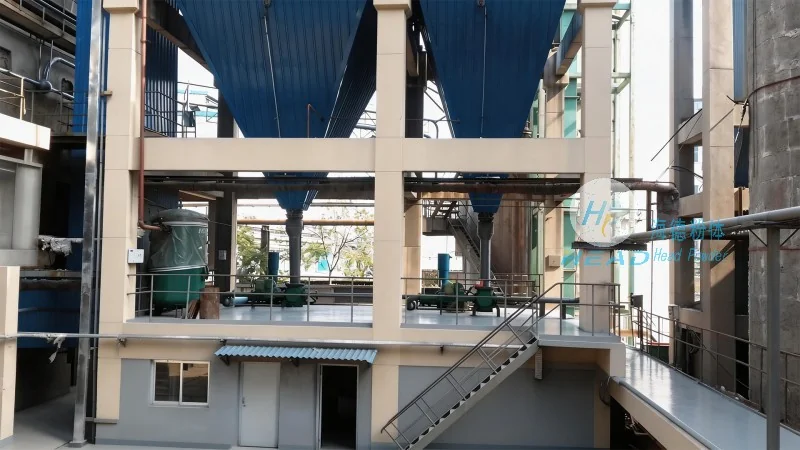
Understanding PVC Pneumatic Conveying Systems
PVC pneumatic conveying systems are designed to transport bulk materials from a source to a destination using compressed air or vacuum. The system typically consists of a hopper, a conveyor line, and a receiver. The choice of conveying mode—positive pressure or negative pressure—determines how the material is moved through the system. Positive pressure systems use compressed air to push material forward, while negative pressure systems use vacuum to pull material through the line.
Positive Pressure Conveying Mode: Advantages and Applications
Positive pressure conveying, also known as pressure conveying, operates by injecting compressed air into the material stream at the hopper. This air pressure pushes the material through the pipeline to the receiver. This mode is particularly effective for long-distance and high-capacity material transport. One of the primary advantages of positive pressure systems is their ability to handle abrasive and corrosive materials without significant wear on the equipment. Additionally, they can transport materials over steep inclines and through complex pipeline configurations, making them suitable for applications in mining, chemical processing, and food processing industries.
In terms of maintenance, positive pressure systems generally require less frequent cleaning compared to negative pressure systems, as the air flow helps to keep the pipeline clear of material buildup. However, they may consume more energy due to the need for continuous compressed air supply. The system is also more suitable for applications where the material is to be discharged into a controlled environment, such as a silo or a processing unit.
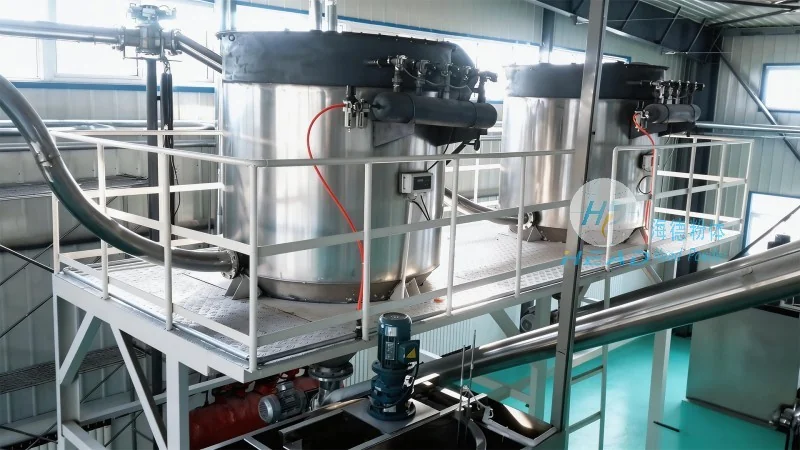
Negative Pressure Conveying Mode: Advantages and Applications
Negative pressure conveying, or vacuum conveying, works by creating a vacuum at the receiver end of the pipeline, which draws material from the hopper. The material is then pulled through the line by the vacuum pressure. This mode is often preferred for shorter distances and for materials that are sensitive to air exposure, such as food products or pharmaceuticals. Negative pressure systems are also more energy-efficient for short-distance transport, as they do not require high-pressure air compressors.
A key advantage of negative pressure systems is their ability to handle fine powders and delicate materials without causing degradation or agglomeration. The vacuum environment helps to maintain the material's quality and prevents contamination from external air. However, these systems are more susceptible to clogging and material buildup in the pipeline, which may require more frequent cleaning and maintenance. They are also less effective for transporting abrasive materials over long distances, as the vacuum can cause wear on the system components.
Technical Comparison: Positive vs. Negative Pressure Conveying
When comparing positive and negative pressure conveying modes, several factors come into play. Distance and capacity are critical considerations. Positive pressure systems are generally more suitable for longer distances and higher material throughput, while negative pressure systems are better for shorter distances and lower capacity needs. Material characteristics also influence the choice; for example, abrasive or corrosive materials may benefit from positive pressure due to reduced wear, whereas sensitive materials may require negative pressure to maintain quality.
Energy consumption is another important factor. Positive pressure systems typically consume more energy due to the continuous operation of air compressors, whereas negative pressure systems are more energy-efficient for short distances. Maintenance and cleaning requirements differ as well; positive pressure systems may require less frequent cleaning, while negative pressure systems may need more regular maintenance to prevent clogging.
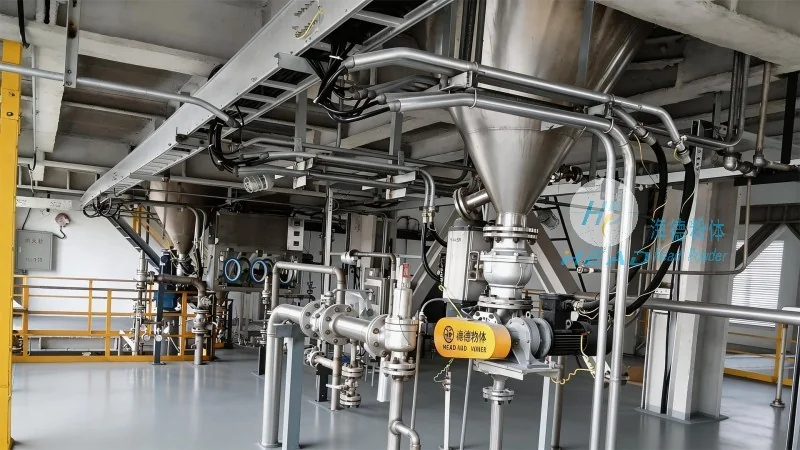
Applications in Industrial Settings
The choice between positive and negative pressure conveying modes depends on the specific requirements of the industrial process. For example, in the chemical industry, positive pressure systems may be used to transport corrosive chemicals over long distances, while in the food industry, negative pressure systems are often preferred to maintain product quality and prevent contamination. In mining operations, positive pressure systems are commonly used to transport ore from a mine to a processing plant, leveraging their ability to handle abrasive materials and complex pipeline layouts.
Conclusion
Both positive pressure and negative pressure conveying modes offer effective solutions for PVC pneumatic conveying systems, each with its own set of advantages and limitations. The selection of the appropriate mode depends on factors such as distance, material type, capacity, and energy efficiency. By understanding the technical differences and applications of each mode, industrial operators can choose the most suitable system to meet their material handling needs.
Shandong HeadPowder Engineering Co., Ltd., a leading provider of pneumatic conveying solutions, specializes in designing and manufacturing customized PVC pneumatic conveying systems tailored to the specific requirements of various industries. With a focus on quality and efficiency, the company offers both positive and negative pressure conveying systems, ensuring optimal performance and reliability for its clients. HeadPowder's expertise in material handling technology enables them to deliver solutions that enhance productivity and reduce operational costs for industrial applications.




