Carbon particle material conveying is a critical process in various industrial applications, involving the efficient transport of carbon-based granular materials from one location to another. Understanding the underlying principles and the diverse working scenarios where these systems are employed is essential for optimizing operational efficiency and ensuring reliable material handling. This article explores the fundamental principles of carbon particle material conveying, along with the key characteristics of different operational environments where such systems are utilized.
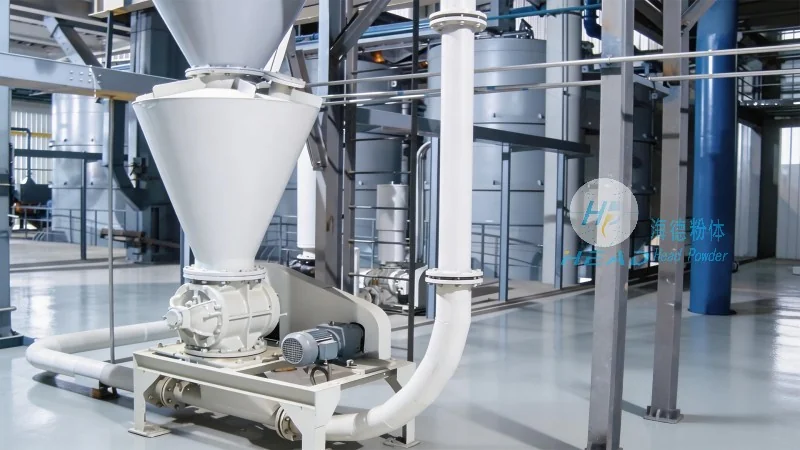
Core Principles of Carbon Particle Material Conveying
The primary goal of carbon particle material conveying is to move granular carbon materials, such as graphite, carbon black, or other carbon-based powders, with minimal energy consumption and maximum efficiency. Several key principles underpin the design and operation of these systems:
First, the principle of gravity-assisted conveying is often utilized, where the material's density and the inclination of the conveying path are leveraged to facilitate movement. This method is particularly effective for materials with high bulk density and is commonly used in vertical or inclined conveying applications. For instance, in the processing of carbon black, gravity feeders are employed to transport the material from storage silos to processing units, reducing the need for mechanical power.
Second, mechanical conveying systems, including screw conveyors, belt conveyors, and pneumatic conveyors, are widely used. Screw conveyors, for example, use rotating screws to push the material forward, making them suitable for horizontal or slightly inclined transport. These systems are commonly employed in carbon powder handling, where the material's flowability and the need for controlled feeding are crucial. Belt conveyors, on the other hand, are ideal for long-distance horizontal transport, providing a continuous and reliable method for moving carbon particles over extended distances.
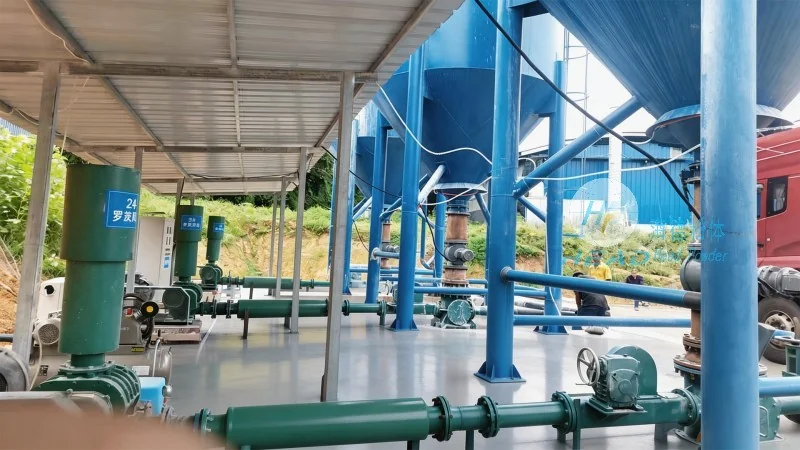
Pneumatic conveying systems, which use air or other gases to transport particles in a closed pipeline, offer advantages in terms of cleanliness and flexibility. These systems are particularly useful for handling fine carbon powders that are prone to dusting or require dust-free transport. The selection of a pneumatic system depends on factors such as the particle size, moisture content, and the required conveying distance. For instance, in the production of carbon electrodes, pneumatic conveyors are used to transport carbon black from mixing tanks to extrusion lines, ensuring a consistent and dust-free process.
Working Scene Characteristics of Carbon Particle Material Conveying
The operational characteristics of carbon particle material conveying systems vary significantly based on the specific industrial application and the nature of the material being handled. Several key working scene characteristics are worth noting:
One of the primary characteristics is the need for precise control over material flow rates. In many industrial processes, such as battery manufacturing or carbon fiber production, the consistency of the material feed is critical to maintaining product quality. This requires advanced control systems, such as variable speed drives and flow meters, which are integrated into the conveying equipment. For example, in the production of lithium-ion batteries, the carbon black feed rate is tightly controlled to ensure uniform distribution in the cathode material, directly impacting the battery's performance and lifespan.
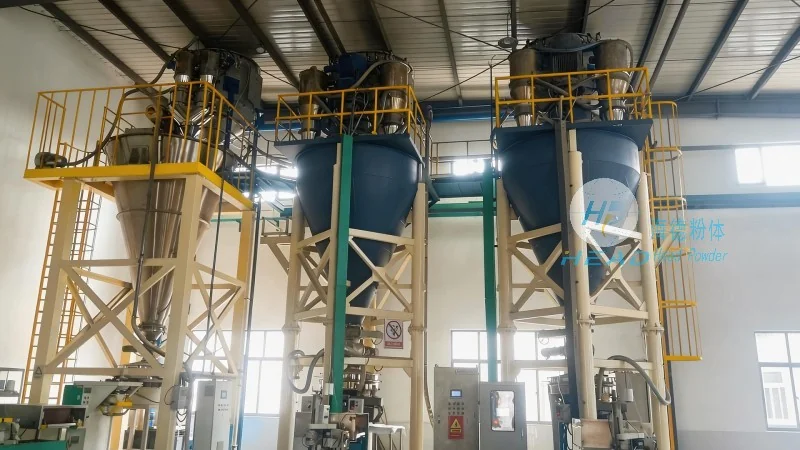
Another important characteristic is the handling of varying particle sizes and shapes. Carbon particles can range from fine powders to coarse granules, each requiring different conveying methods and equipment. Coarse carbon particles, like those used in brake pads, may be conveyed using belt conveyors or bucket elevators, which can handle larger, irregularly shaped materials. In contrast, fine carbon powders, such as those used in pigments or coatings, often require more delicate handling, such as pneumatic conveying or enclosed screw conveyors, to prevent agglomeration and ensure uniform transport.
The environmental conditions within the working environment also play a significant role in the design of carbon particle conveying systems. Many industrial facilities operate in high-temperature or high-humidity environments, which can affect the material's properties and the equipment's performance. For instance, in the production of carbon electrodes, the conveying system must be designed to withstand high temperatures and resist corrosion from the material or processing chemicals. This often involves the use of specialized materials, such as stainless steel or heat-resistant alloys, in the construction of the conveyor components.
Furthermore, the integration of conveying systems with other processing equipment is a key characteristic of modern industrial operations. In many cases, the conveying system is part of a larger production line, where the material is transferred from one unit operation to another. This requires seamless coordination between the conveying equipment and the downstream processes. For example, in the production of carbon fibers, the carbon particle material is conveyed from the precursor processing stage to the spinning and drawing equipment, where it is converted into fibers. The efficiency of this transfer directly impacts the overall production throughput and cost.
Company Profile: Shandong HeadPowder Engineering Co., Ltd.
Shandong HeadPowder Engineering Co., Ltd., commonly known as HeadPowder, is a leading provider of specialized material handling solutions for carbon particle applications. With a focus on innovation and customer-centric design, HeadPowder has established itself as a trusted partner in the industrial sector, offering a range of conveying systems tailored to the unique needs of carbon material processing.
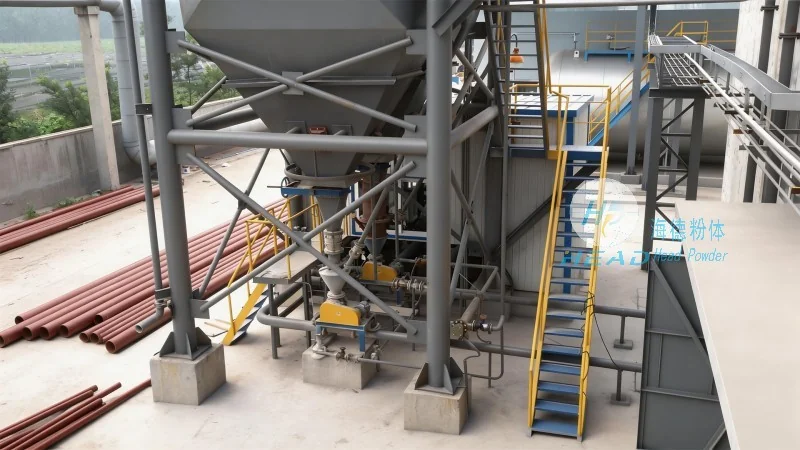
HeadPowder's expertise lies in the design and manufacturing of advanced conveying equipment, including screw conveyors, belt conveyors, and pneumatic systems, specifically optimized for carbon particle handling. The company's products are engineered to meet the stringent requirements of various industrial applications, ensuring reliable performance, high efficiency, and minimal maintenance. For instance, HeadPowder's screw conveyors are designed with high-strength materials and precise manufacturing processes to handle the abrasive nature of carbon particles, extending the equipment's service life and reducing downtime.
The company's commitment to quality is evident in its adherence to international standards and rigorous testing protocols. Each conveying system is thoroughly tested under simulated operating conditions to ensure compliance with performance specifications. This approach has earned HeadPowder a reputation for delivering reliable and durable equipment that meets the demands of modern industrial operations.
HeadPowder's operational base is located in Shandong, China, providing a strategic advantage in terms of access to raw materials and manufacturing capabilities. The company's facilities are equipped with state-of-the-art technology and skilled personnel, enabling the production of high-quality conveying systems that are tailored to the specific requirements of each client. Whether it's a small-scale application or a large industrial project, HeadPowder offers customized solutions that enhance operational efficiency and reduce material handling costs.




