HeadPowder, a leading engineering company based in Shandong, China, specializes in the design and implementation of low-pressure continuous material handling systems. These systems are engineered to efficiently transport bulk materials with minimal pressure, offering a reliable solution for various industrial applications.
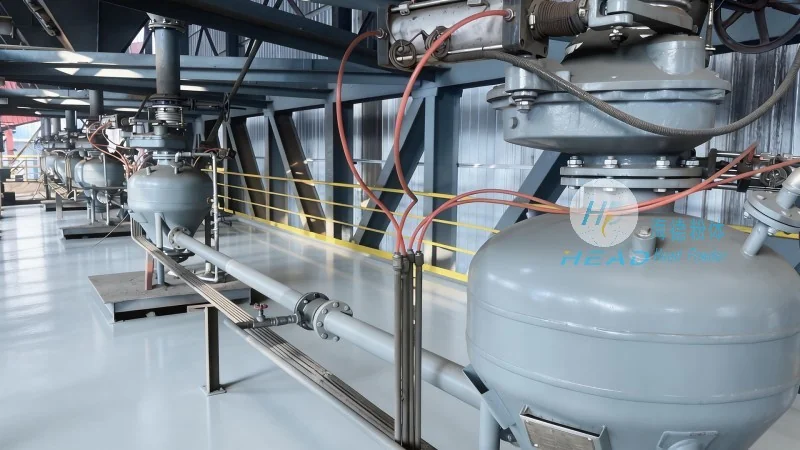
Principles of Low-Pressure Continuous Material Handling Systems
At the core of low-pressure continuous material handling systems is the use of specialized equipment designed to move materials in a continuous flow without the need for high-pressure mechanisms. The system typically incorporates components such as conveyor belts, rollers, or screw conveyors that operate under low pressure, ensuring energy efficiency and reduced operational costs. The design emphasizes smooth, unidirectional movement of materials, minimizing friction and wear on components. By maintaining a consistent pressure level, these systems can handle a wide range of materials, from powders and granules to bulk solids, with precision and reliability. The engineering approach focuses on optimizing the flow dynamics to prevent material blockages and ensure uninterrupted operation.
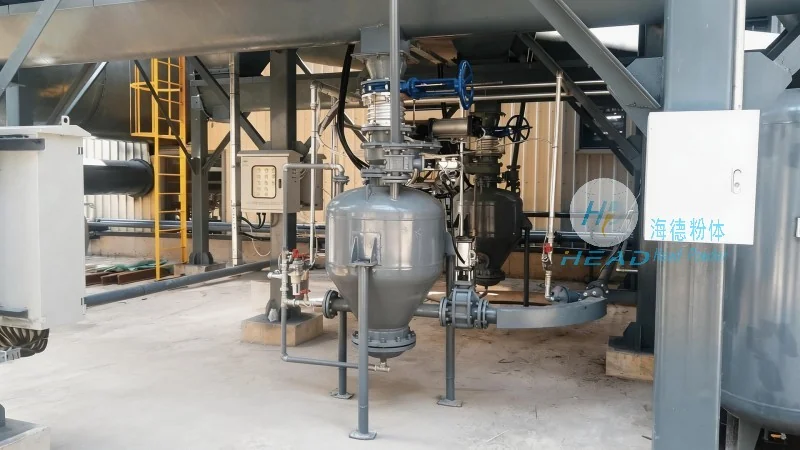
The low-pressure continuous material handling system operates through a combination of mechanical and control components. The primary mechanism involves a conveyor system, often equipped with variable speed drives, to adjust the flow rate according to the material's characteristics and processing requirements. The system may include sensors and feedback loops to monitor the material level and adjust the conveyor speed dynamically, ensuring optimal performance. This intelligent control system enhances the system's adaptability and efficiency, allowing it to handle varying loads without compromising performance. The use of low-pressure rollers or belts reduces the risk of material compaction or degradation, which is particularly important for materials that are prone to caking or clumping. The design also incorporates safety features, such as emergency stop buttons and overload protection, to prevent accidents and ensure operator safety. These features are essential in industrial environments where material handling involves potential hazards.
Key Features and Application Scenarios
Low-pressure continuous material handling systems are characterized by several distinct advantages that make them suitable for diverse industrial environments. One of the primary benefits is their ability to handle delicate or sensitive materials without causing degradation or damage. This makes them ideal for applications in pharmaceuticals, food processing, and chemical industries where material integrity is critical. Additionally, the systems are designed for high efficiency and low maintenance, reducing downtime and operational expenses. The continuous flow nature of the system ensures a steady supply of materials to downstream processes, enhancing overall productivity. In manufacturing settings, these systems can be integrated seamlessly with existing production lines, providing a flexible and scalable solution for material transport. The low-pressure operation also contributes to a safer working environment, as there is less risk of material spillage or pressure-related accidents. Furthermore, the systems are adaptable to different material types and sizes, allowing for customization based on specific operational needs. This versatility makes them a preferred choice in industries that require consistent and reliable material handling solutions.
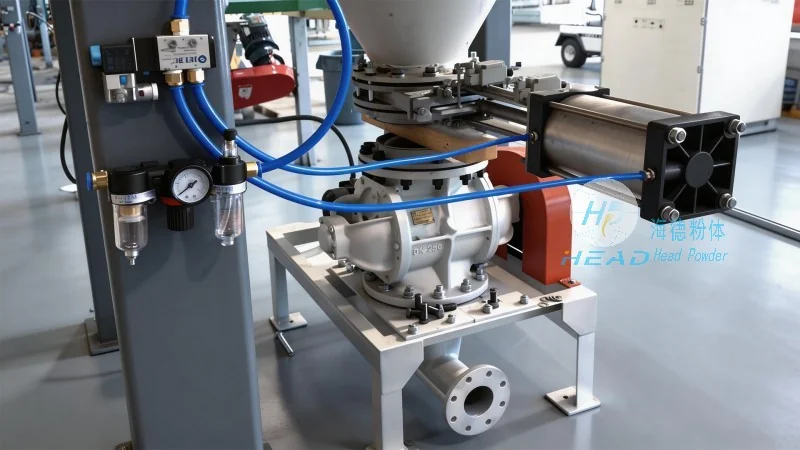
Application scenarios for low-pressure continuous material handling systems are widespread across various sectors. In the food and beverage industry, these systems are commonly used to transport ingredients like flour, sugar, and grains, ensuring a clean and hygienic process. The low-pressure operation prevents contamination and maintains the quality of the materials, which is crucial for food safety regulations. In the pharmaceutical industry, the systems are employed to handle active pharmaceutical ingredients (APIs) and other sensitive compounds, where precision and purity are paramount. The systems' ability to maintain low pressure and prevent cross-contamination makes them ideal for these applications. In the chemical industry, low-pressure continuous material handling systems are used to transport bulk chemicals, powders, and granules, ensuring safe and efficient handling. The systems are designed to comply with safety standards and regulations, minimizing the risk of accidents and environmental hazards. Additionally, in the mining and construction sectors, these systems are utilized to transport raw materials like ores, coal, and aggregates, providing a reliable solution for large-scale material transport. The systems' durability and low maintenance requirements make them suitable for harsh industrial environments.




