Crystal granule material conveying is a critical process in various industrial applications, involving the efficient transport of crystalline materials from one location to another. This article explores the fundamental principles behind such systems and highlights key working scene characteristics that define their operational effectiveness, with a focus on solutions provided by Shandong HeadPowder Engineering Co., Ltd.
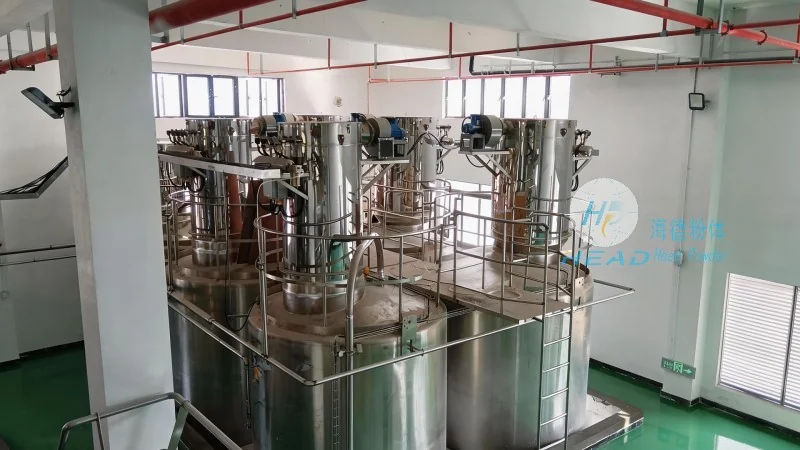
Introduction to Crystal Granule Material Conveying
Crystal granule material conveying systems are designed to handle the transportation of granular materials that exhibit crystalline structures. These materials, often used in pharmaceuticals, chemicals, food processing, and other industries, require specialized handling due to their size, shape, and potential for static charge accumulation. The primary goal of these conveying systems is to ensure safe, efficient, and reliable movement of the material while maintaining product integrity and minimizing operational risks. Shandong HeadPowder Engineering Co., Ltd. specializes in developing advanced conveying solutions tailored to the unique challenges of handling such materials.
Core Principles of Material Conveying
The operation of crystal granule material conveying systems is based on several key principles. First, the system must address the unique physical properties of crystalline materials, such as their tendency to stick together or form agglomerates. This often necessitates the use of specialized equipment like vibratory conveyors, screw conveyors, or pneumatic systems that can break up agglomerates and maintain a consistent flow. Second, the design must consider the material's particle size distribution and density, as these factors influence the selection of conveying speed, pressure, and equipment dimensions. Third, the system must incorporate measures to prevent material degradation, such as temperature control and gentle handling mechanisms, which are crucial for maintaining the quality of sensitive products like pharmaceuticals or food ingredients.
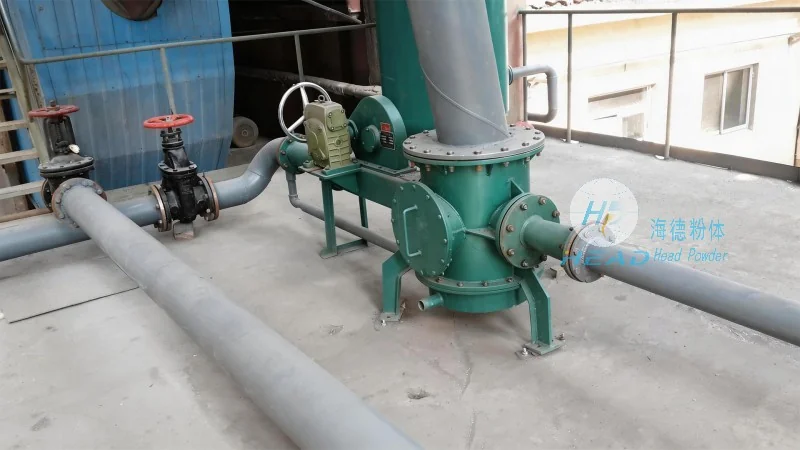
Working Scene Characteristics
The working scene characteristics of crystal granule material conveying systems vary significantly based on the application and industry. In pharmaceutical manufacturing, for example, the conveying process must adhere to stringent GMP (Good Manufacturing Practice) standards, requiring enclosed systems, easy cleaning, and minimal contamination risk. The equipment is typically designed with smooth surfaces and integrated cleaning features to ensure compliance with regulatory requirements. In chemical processing, the systems may need to handle materials with varying moisture content or corrosive properties, necessitating the use of materials like stainless steel or specialized coatings to protect against wear and corrosion.
In the food industry, the conveying of crystal granules like sugar or salt demands hygienic design and compliance with food safety regulations. The equipment is often constructed from food-grade materials and includes features like sanitary connections and easy-to-clean surfaces to prevent cross-contamination. Additionally, the speed and direction of the conveying process are carefully controlled to avoid product damage or degradation, which is critical for maintaining the quality and shelf life of food products.
Equipment Selection and Operational Considerations
The choice of conveying equipment for crystal granule materials depends on several operational factors. Vibratory conveyors are commonly used for their ability to handle sticky or cohesive materials by providing gentle, continuous motion that prevents material buildup. Screw conveyors are suitable for materials with a more uniform particle size and are effective in vertical or inclined applications. Pneumatic conveying systems, on the other hand, use air pressure to transport materials, which is ideal for handling fine powders or materials that are sensitive to mechanical stress.
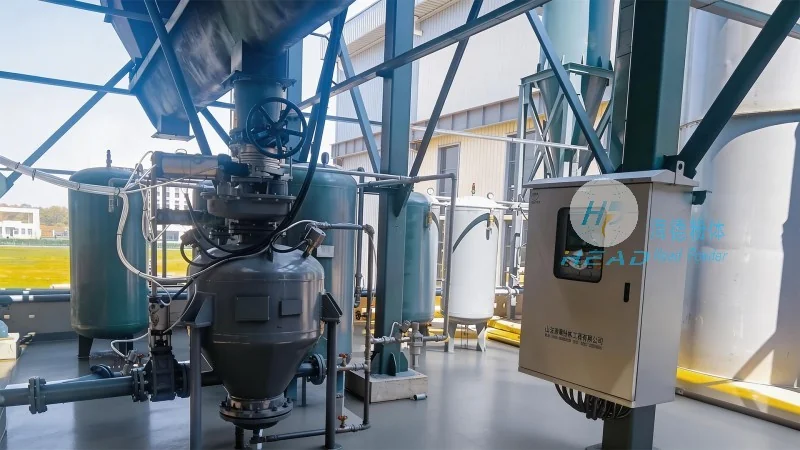
Operational considerations also include the need for proper maintenance and monitoring. Regular inspection of components like bearings, seals, and conveyor belts is essential to prevent breakdowns and ensure consistent performance. Additionally, the system must be equipped with sensors and controls to monitor flow rates, pressure, and temperature, allowing for real-time adjustments and preventing issues like blockages or material degradation.
Conclusion
Crystal granule material conveying systems play a vital role in various industrial sectors, enabling the efficient and safe transport of crystalline materials. By understanding the core principles and working scene characteristics, industries can select and implement the most appropriate conveying solutions to meet their specific needs. The integration of specialized equipment, adherence to industry standards, and careful operational management ensures optimal performance and product quality in these critical material handling processes. Shandong HeadPowder Engineering Co., Ltd. specializes in designing and manufacturing advanced conveying systems tailored to the unique requirements of crystal granule materials, providing reliable solutions for industries worldwide.




