HeadPowder, a leading engineering company based in Shandong, China, specializes in the design and implementation of advanced material handling solutions. Among these, pulse-type material handling systems stand out for their efficiency and adaptability in various industrial applications. This article delves into the fundamental principles behind these systems and explores the diverse work scenarios where they excel.
The Core Principle of Pulse-Type Material Handling
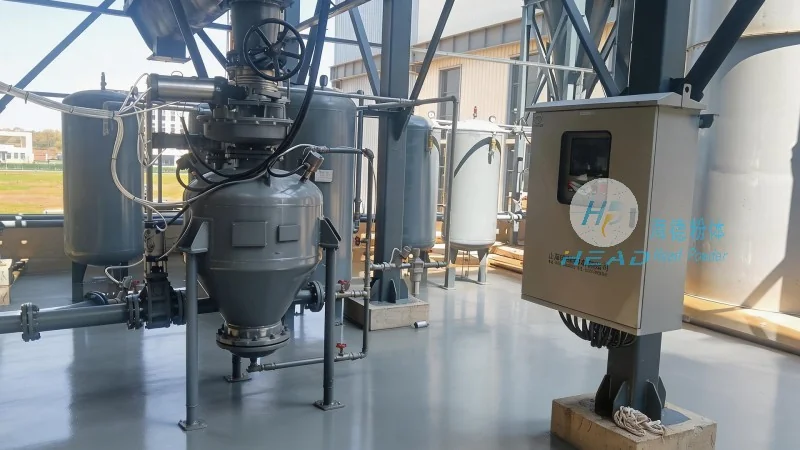
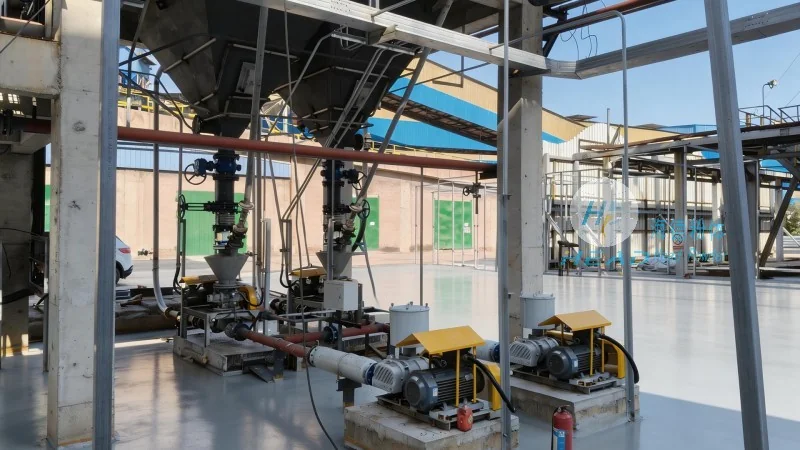
Pulse-type material handling systems operate on a unique mechanism that involves periodic, controlled bursts of energy to move materials. Unlike continuous conveyor systems, which maintain a steady flow, pulse systems use intermittent pulses to transport items. This approach is particularly effective for handling bulk materials, powders, or granules where precise control over the flow rate is essential. The system typically consists of a series of containers or hoppers connected by a network of pipes or tubes. Each container is equipped with a valve or actuator that opens and closes in response to a pulse signal, causing the material to move from one section to the next. This sequential, pulse-driven movement ensures that the material is transported in a controlled manner, minimizing waste and optimizing throughput.
Key Advantages in Material Handling
One of the primary advantages of pulse-type material handling systems is their ability to handle a wide range of materials, including fine powders, liquids, and granular substances. The controlled pulses prevent material buildup and ensure consistent flow, which is crucial in industries such as pharmaceuticals, food processing, and chemical manufacturing. Additionally, these systems offer flexibility in terms of layout and integration with other production equipment. They can be easily customized to fit specific plant layouts, allowing for seamless integration into existing production lines. The energy efficiency of pulse systems is another significant benefit, as they consume less power compared to continuous conveyor systems, especially when handling materials in small batches or at varying speeds.
Common Work Scenarios and Applications
Pulse-type material handling systems are widely used in several industrial sectors, each presenting unique challenges that the system addresses effectively. In the pharmaceutical industry, for example, these systems are employed to transport raw materials and finished products with strict hygiene and contamination control requirements. The pulse mechanism ensures that materials are moved without direct human contact, maintaining the high standards of cleanliness essential in this sector. Similarly, in the food processing industry, pulse systems are used to handle ingredients like flour, sugar, and spices, where preventing cross-contamination and maintaining product quality are paramount. The ability to control the flow rate precisely helps in achieving consistent product quality and reducing waste.
Chemical and Industrial Manufacturing Applications
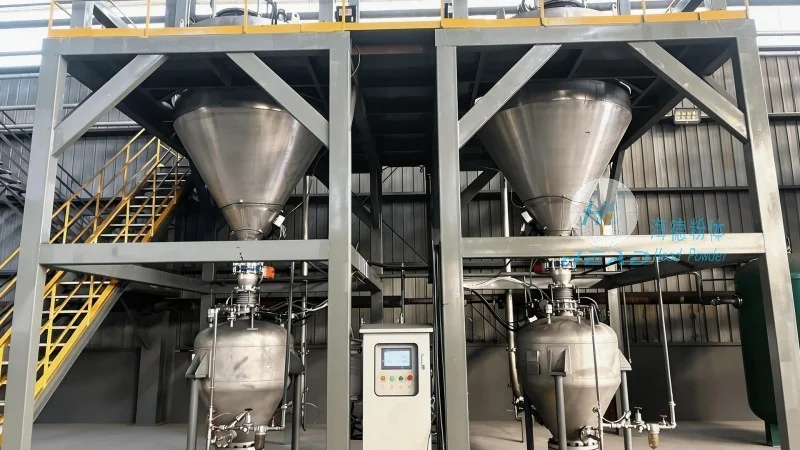
In chemical manufacturing, pulse-type material handling systems are critical for transporting reactive or hazardous materials. The controlled pulses minimize the risk of accidental spills or leaks, enhancing safety in the workplace. These systems are also used in industrial plants to handle bulk chemicals, catalysts, and other raw materials, ensuring smooth and efficient production processes. The adaptability of pulse systems allows them to be integrated into complex production lines, where materials need to be transferred between multiple processing units. This flexibility makes them an ideal choice for industries that require frequent changes in production parameters or material types.
Conclusion and Company Overview
HeadPowder Engineering Co., Ltd., with its headquarters in Shandong, China, is at the forefront of developing and implementing pulse-type material handling systems. By leveraging advanced engineering principles and customer-specific requirements, the company provides tailored solutions that enhance operational efficiency and safety in various industrial applications. The principles and work scenarios discussed here highlight the versatility and effectiveness of these systems, making them a valuable asset for modern manufacturing environments. As industries continue to demand higher productivity and precision, pulse-type material handling systems remain a reliable choice for companies seeking to optimize their material handling processes.




