Principles and Working Scene Characteristics of Material Handling for Lithium-Ion Battery Positive E
Release time:2026-09-19 09:01:32
name of the company:Shandong Headpowder Engineering Co., Ltd.
telephone:156-6277-7102
contacts:Zhang manager
Lithium-ion battery production involves complex material handling processes, particularly for positive electrode materials. The efficient transportation of these materials is crucial for maintaining production efficiency and product quality. This article explores the principles behind material handling systems used in the production of lithium-ion battery positive electrode materials and highlights the key characteristics of working scenarios where these systems are applied.
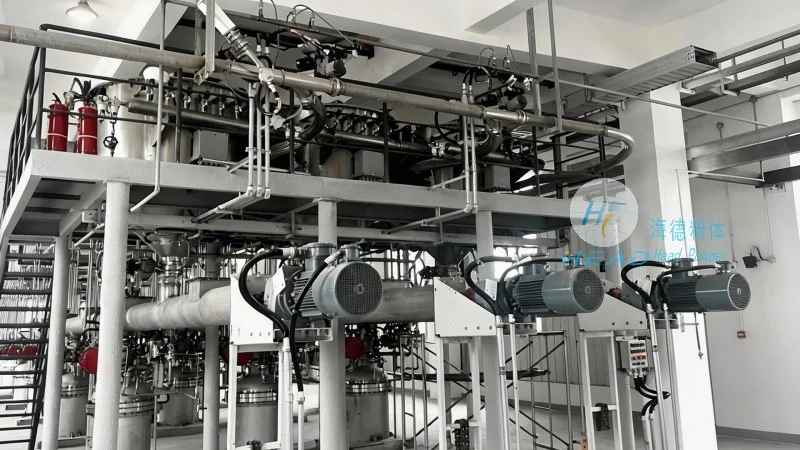
Principles of Material Handling for Positive Electrode Materials
The material handling process for lithium-ion battery positive electrode materials typically involves several key principles designed to ensure safe, efficient, and consistent material transport. These systems are engineered to handle powders and granules, which are the primary components of the positive electrode. The core principles include:
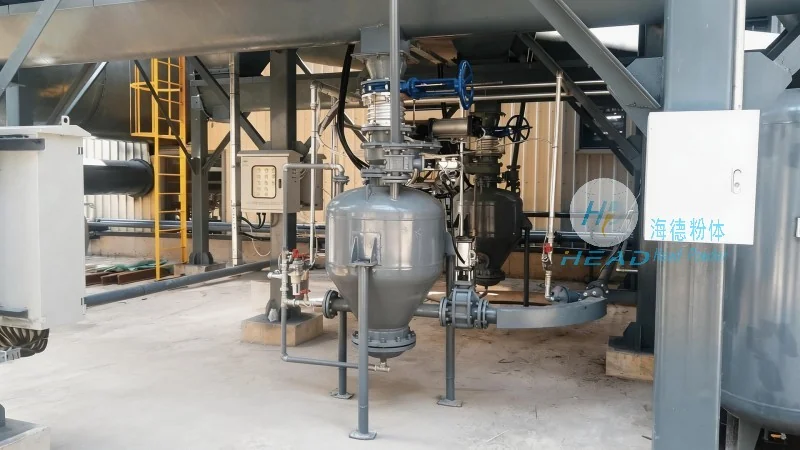
- Continuous Flow and Automation: Modern material handling systems utilize automated conveyor belts, screw conveyors, and pneumatic transport systems to maintain a continuous flow of materials. This automation reduces manual intervention, minimizes human error, and enhances production throughput.
- Material Compatibility: Equipment is designed to handle the specific properties of positive electrode materials, such as their fine particle size, moisture sensitivity, and potential reactivity. Materials like nickel, cobalt, manganese, and lithium compounds require specialized handling to prevent degradation or contamination.
- Controlled Environment: Many material handling processes occur in controlled environments, such as cleanrooms or dust-free zones, to maintain material purity. This is critical for ensuring the quality of the final battery product, as impurities can affect battery performance and lifespan.
Working Scene Characteristics of Material Handling Systems
The application of material handling systems in lithium-ion battery production varies based on the specific stage of the manufacturing process. Each working scene has unique characteristics that influence the choice of equipment and operational parameters:
- Raw Material Storage and Feeding: In this initial stage, raw materials are stored in bulk containers and then fed into processing equipment. The working scene typically involves large-scale storage and controlled feeding systems to ensure a steady supply of materials. The equipment used here often includes bulk material feeders and silos, designed to handle high volumes of powders.
- Mixing and Blending: After raw materials are fed, they undergo mixing and blending to achieve the desired chemical composition. The material handling system in this stage ensures uniform mixing by transporting materials to the mixing equipment at a consistent rate. This is critical for achieving the precise stoichiometry required for the positive electrode.
- Forming and Coating: The blended material is then processed into electrode sheets through processes like slurry preparation, coating, and drying. The material handling system here involves transporting wet slurry or dried electrode sheets to the forming machinery. This stage requires equipment that can handle both liquid and solid materials, often using conveyor belts or pneumatic systems to maintain the material's integrity.
- Quality Control and Packaging: Finally, the finished electrode materials undergo quality control checks and are packaged for shipment. The material handling system in this stage ensures that only qualified materials are packaged and that the packaging process is efficient. This may involve automated sorting and packaging equipment to streamline the final steps of production.
HeadPowder's Expertise in Material Handling Solutions
Shandong HeadPowder Engineering Co., Ltd. specializes in providing tailored material handling solutions for the lithium-ion battery industry. With a focus on the unique challenges of positive electrode material processing, HeadPowder designs and implements systems that adhere to the principles outlined above. The company's solutions are engineered to enhance production efficiency, ensure material quality, and support the scalability of battery manufacturing operations.
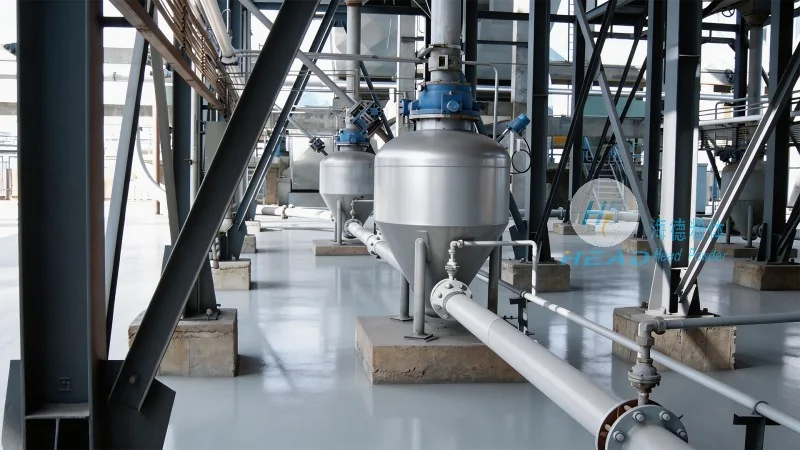
HeadPowder's team of engineers and technicians work closely with clients to understand their specific production needs and develop customized material handling systems. By leveraging advanced technology and industry expertise, HeadPowder delivers solutions that meet the stringent requirements of the lithium-ion battery market. The company's headquarters is located in Shandong, China, where it continues to innovate and serve the growing battery industry.




