Efficient material handling is a critical component in agricultural processing, particularly when dealing with paddy husk—a byproduct of rice milling. The proper conveyance of paddy husk not only enhances operational efficiency but also ensures safety and environmental compliance in processing facilities. This article explores the fundamental principles behind paddy husk material conveying and highlights the key characteristics of working scenarios where such systems are applied.
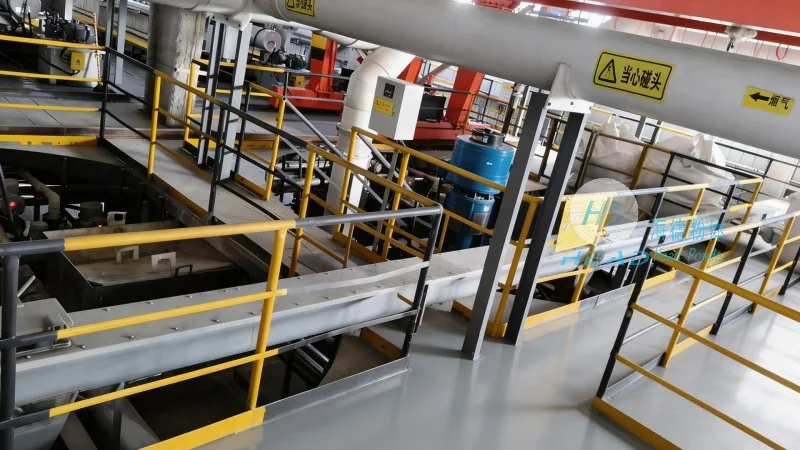
Core Principles of Paddy Husk Material Conveying
The conveyance of paddy husk typically relies on a combination of mechanical and gravitational forces, tailored to the physical properties of the material. Paddy husk is characterized by its lightweight, irregular shape, and tendency to create dust or airborne particles, which necessitates specialized equipment design. Common conveying methods include belt conveyors, screw conveyors, and pneumatic systems, each chosen based on the specific requirements of the processing environment.
Belt conveyors, for instance, are widely used for horizontal or slight incline transport due to their ability to handle large volumes of material with minimal friction. The design often incorporates anti-static features and dust-proofing measures to mitigate the risk of fire hazards and material loss. Screw conveyors, on the other hand, are suitable for vertical or inclined transport, utilizing a rotating screw to push material through a tube. This method is particularly effective for handling fibrous or abrasive materials like paddy husk, as it minimizes material degradation.
Pneumatic conveying systems, such as air slides or pressure vessels, are employed when the material needs to be transported over longer distances or through complex pathways. These systems use compressed air to move the husk, offering advantages like reduced maintenance and the ability to handle fine particles. However, they require careful consideration of air pressure, flow rates, and material moisture content to prevent blockages or system inefficiencies.
Working Scene Characteristics and Application Scenarios
The working scenarios for paddy husk conveying vary significantly based on the scale of the processing operation and the intended use of the husk. Small-scale farms or local mills may utilize compact, low-capacity systems, such as manual or small-batch conveyors, to manage daily output. These systems are often integrated with existing milling equipment and require minimal space, making them ideal for rural or decentralized processing.
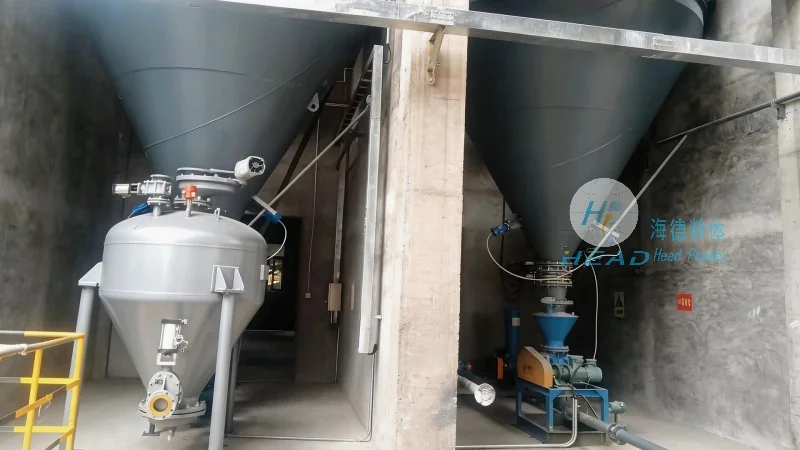
In contrast, large-scale industrial rice mills or processing plants demand high-capacity, automated conveying solutions. These facilities typically feature integrated conveyor networks that connect multiple processing stages, including husk separation, drying, and storage. The working environment in such settings is characterized by high ambient temperatures, high humidity, and the presence of dust, necessitating robust equipment with corrosion-resistant materials and effective dust control measures.
Another key characteristic of working scenarios is the variability in material characteristics. Paddy husk can vary in moisture content, size, and density depending on the season, crop quality, and post-harvest handling. Conveying systems must be adaptable to these changes to maintain consistent performance. For example, during high-moisture periods, the material may become more fibrous and prone to clogging, requiring adjustments to conveyor speed or the addition of cleaning mechanisms.
Environmental factors also play a crucial role in determining the suitability of conveying systems. Outdoor or semi-outdoor processing areas may require weather-resistant equipment, such as covered belt conveyors or enclosed screw conveyors, to protect the material from rain or direct sunlight. Indoor facilities, meanwhile, benefit from enclosed systems that reduce dust emissions and improve air quality within the workspace.
HeadPowder Engineering: Providing Specialized Solutions for Paddy Husk Conveying
Shandong HeadPowder Engineering Co., Ltd., a leading provider of engineering solutions for material handling, specializes in designing and manufacturing conveyance systems tailored to the unique challenges of paddy husk processing. With a focus on innovation and customer-centric design, HeadPowder has developed a range of products that address the diverse needs of agricultural and industrial clients.
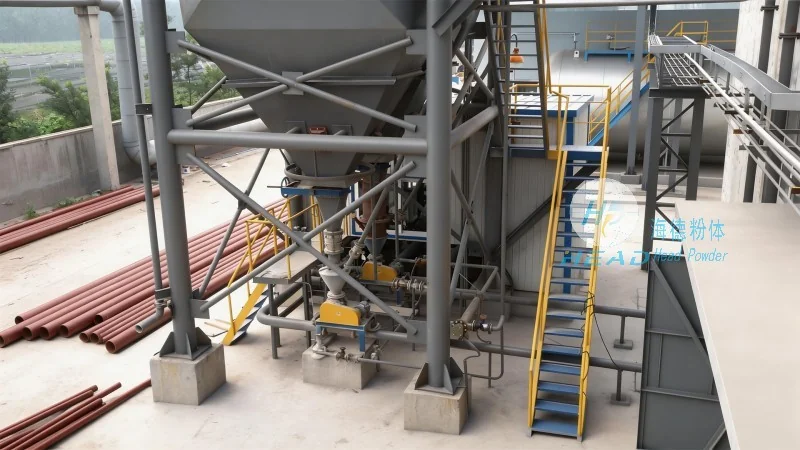
HeadPowder’s belt conveyor systems, for example, are engineered with durable, food-grade materials and anti-static coatings to ensure safe and efficient transport of paddy husk. The company’s screw conveyors feature variable-speed drives and self-cleaning mechanisms, reducing downtime and maintenance costs. Pneumatic conveying solutions from HeadPowder incorporate advanced air filtration and pressure control systems, minimizing dust emissions and optimizing material flow.
The company’s approach to working scenarios is rooted in a deep understanding of the agricultural industry. By collaborating closely with clients, HeadPowder assesses the specific operational requirements, environmental conditions, and material characteristics to design customized conveying solutions. This tailored approach ensures that the systems not only meet current needs but also adapt to future changes in processing scale or technology.
HeadPowder’s commitment to quality and reliability is evident in its adherence to industry standards and rigorous testing protocols. The company’s products are designed for long-term durability, with components that can withstand the abrasive nature of paddy husk and the harsh conditions of processing environments. This focus on longevity reduces replacement costs and enhances the overall efficiency of the client’s operations.
Additionally, HeadPowder provides comprehensive support services, including installation, maintenance, and technical assistance, to ensure that clients can maximize the performance of their conveying systems. The company’s team of experienced engineers and technicians offers on-site guidance and troubleshooting, helping to minimize disruptions and maintain consistent production levels.




