Welcome to HeadPowder, a leading provider of advanced material handling solutions. Our expertise lies in developing and implementing efficient multi-point feeding systems that optimize material flow in various industrial applications. This article delves into the fundamental principles behind these systems and highlights the specific working scene characteristics that make them indispensable in modern manufacturing and processing environments.
About HeadPowder: Your Trusted Partner in Material Handling Solutions
HeadPowder, formally known as Shandong HeadPowder Engineering Co., Ltd., is headquartered in Shandong, China. With a strong commitment to innovation and quality, we specialize in designing, manufacturing, and installing customized material handling systems tailored to meet the unique needs of our clients. Our team of experienced engineers and technicians leverages cutting-edge technology to deliver reliable solutions that enhance productivity, reduce operational costs, and ensure compliance with industry standards.
Multi-Point Feeding Material Handling Systems: Understanding the Core Principles
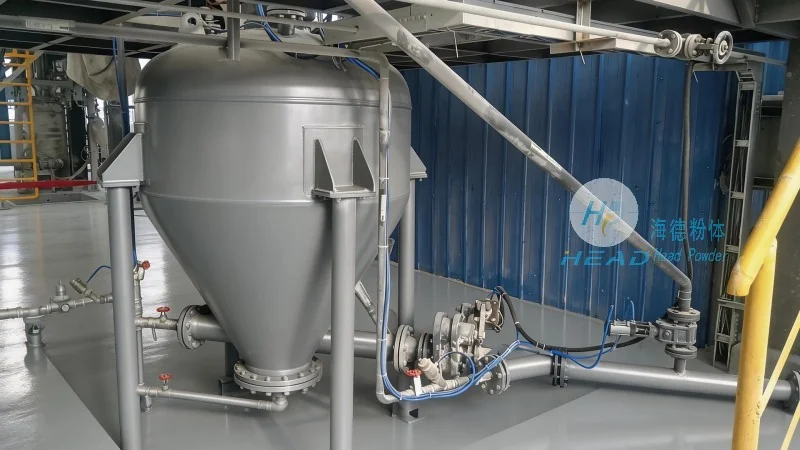
At the heart of a multi-point feeding system is a sophisticated integration of components designed to distribute materials from a central source to multiple destinations with precision and efficiency. The system typically comprises several key elements, including a main feeding hopper, multiple discharge points, a control unit, and sensors. The control unit, often equipped with programmable logic controllers (PLCs), manages the flow of material by regulating the speed and timing of the feeding mechanism. Sensors, such as level detectors or position sensors, provide real-time feedback to the control system, ensuring that the material is distributed evenly across all discharge points. This closed-loop control system allows for precise adjustment of the feeding rate, minimizing waste and maximizing throughput.
The principle of operation involves the material being fed from the main hopper into a conveyor or feeding device. The control unit then directs the material to the appropriate discharge points based on predefined parameters, such as the required quantity at each destination or the sequence of operations. This dynamic distribution capability is particularly valuable in scenarios where different downstream processes require varying amounts of material or where the material needs to be segregated for further processing. By enabling simultaneous feeding to multiple locations, the system eliminates bottlenecks and ensures a smooth, continuous flow of materials throughout the production line.
Working Scene Characteristics: Where Multi-Point Feeding Systems Excel
Multi-point feeding systems are particularly well-suited for a range of industrial applications where material distribution is critical to operational efficiency. These systems excel in environments that demand high accuracy, consistent output, and the ability to handle diverse materials with minimal intervention. Let's explore some of the key working scene characteristics that highlight the advantages of these systems.
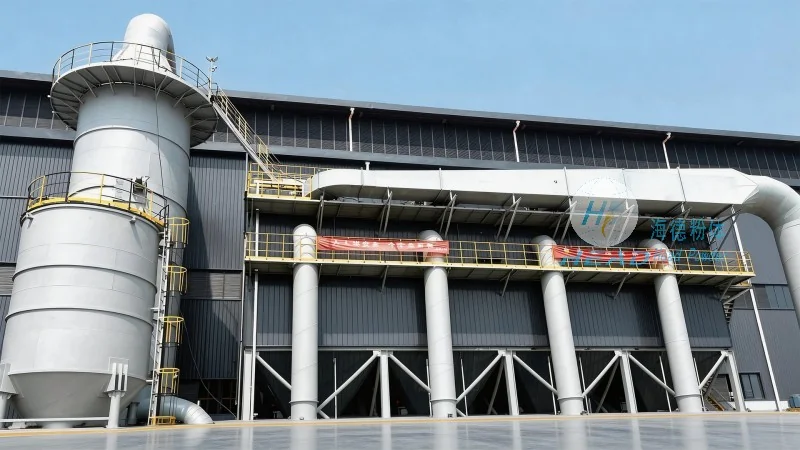
First, in the chemical and pharmaceutical industries, where precision and contamination control are paramount, multi-point feeding systems offer a reliable solution. For example, in the production of fine chemicals or pharmaceutical powders, the system can distribute raw materials to multiple reactors or processing units with exact dosing, ensuring uniform composition and reducing the risk of batch-to-batch variation. The ability to feed multiple points simultaneously minimizes downtime and allows for seamless transitions between different production batches, enhancing overall productivity.
In the food and beverage sector, where hygiene and safety are non-negotiable, these systems provide a hygienic and efficient way to handle bulk ingredients. Whether it's distributing flour, sugar, or other dry ingredients to multiple mixing or packaging lines, the system ensures that each point receives the correct amount without cross-contamination. The closed-loop control and easy-to-clean design of the equipment make it ideal for food processing environments, where compliance with regulatory standards is essential.
Another application is in the manufacturing of plastics and polymers, where multi-point feeding is crucial for blending different raw materials to achieve specific properties. The system can feed various plastic resins or additives to a mixing unit at controlled rates, ensuring a homogeneous blend. This is particularly important in the production of high-performance plastics, where the precise ratio of components directly impacts the final product's quality and performance.
Furthermore, in the metal processing industry, multi-point feeding systems are used to distribute raw materials or additives to multiple furnaces or processing stations. This allows for efficient heat treatment or alloying processes, where the uniform distribution of materials is critical to achieving desired mechanical properties. The system's ability to handle different types of materials, including powders and granules, makes it versatile for various metalworking applications.
Key Advantages of Multi-Point Feeding Systems
Implementing a multi-point feeding system brings several significant advantages to industrial operations. The primary benefit is the enhancement of production efficiency through optimized material flow. By distributing materials to multiple points simultaneously, the system reduces the time required for material transfer and minimizes idle time for downstream equipment. This leads to increased throughput and reduced overall production cycle times.
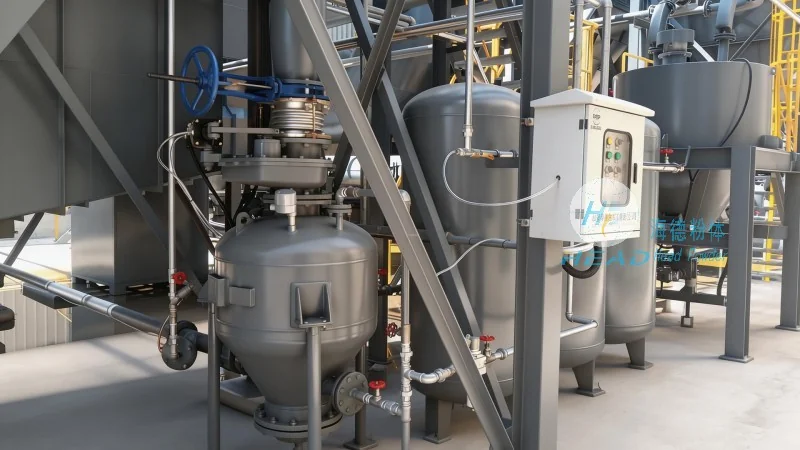
Another key advantage is the improved accuracy and consistency of material distribution. The closed-loop control system ensures that each discharge point receives the exact amount of material as specified, eliminating overfeeding or underfeeding. This precision is crucial in processes where the quality of the final product is directly linked to the material composition, such as in pharmaceutical manufacturing or food processing.
Cost savings are also a major benefit. By reducing material waste and minimizing the need for manual adjustments, the system lowers operational costs over time. Additionally, the automation of material handling reduces the reliance on human labor, leading to lower labor costs and improved workplace safety. The system's design also minimizes the risk of material spillage or contamination, which can result in significant cost savings by reducing cleanup and maintenance expenses.
Flexibility is another important characteristic of multi-point feeding systems. The control unit can be programmed to adjust the feeding rates and distribution patterns based on changing production demands or product specifications. This adaptability allows manufacturers to respond quickly to market changes or to scale production without significant modifications to the system. The modular design of the equipment also enables easy expansion or reconfiguration as business needs evolve.
Conclusion: The Role of Multi-Point Feeding Systems in Modern Manufacturing
Multi-point feeding material handling systems represent a sophisticated solution to the challenges of efficient material distribution in modern industrial settings. By combining advanced control technology with precise material handling capabilities, these systems enhance productivity, improve product quality, and reduce operational costs. As industries continue to evolve and demand higher levels of efficiency and precision, the importance of such systems will only grow. HeadPowder, with its expertise and commitment to innovation, remains at the forefront of providing tailored solutions that meet the evolving needs of our clients. Whether you are in the chemical, food, pharmaceutical, or manufacturing sector, a multi-point feeding system from HeadPowder can be the key to optimizing your material handling processes and achieving your business goals.




