Stone powder conveying lines are essential systems in various industrial applications, designed to transport granular materials like stone powders efficiently and reliably. Understanding their core principles and operational characteristics is crucial for selecting the right equipment for specific tasks. This article explores the fundamental mechanisms behind these systems and highlights key working scene characteristics that define their effectiveness in different industrial environments.
Introduction to Stone Powder Conveying Lines: Core Principles and Operational Scenarios
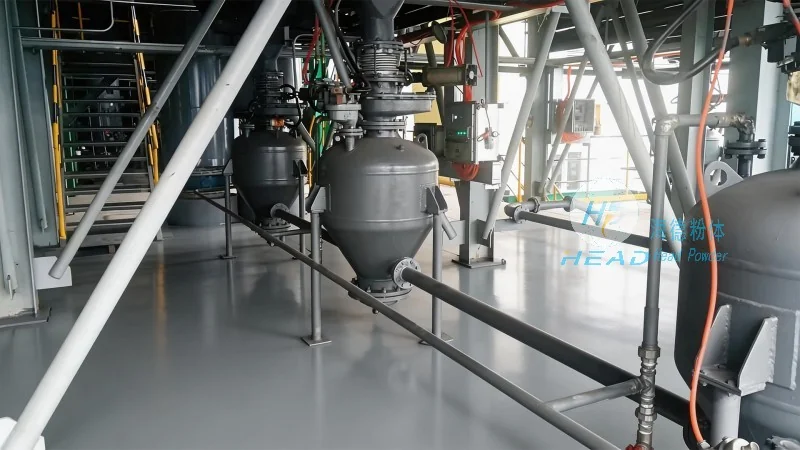
The primary principle of stone powder conveying lines involves the movement of solid particles, typically with a particle size ranging from fine powders to coarse aggregates, through a designated pathway. These systems can utilize either pneumatic (air-driven) or mechanical (mechanical-driven) methods to achieve material transport. Pneumatic conveying systems operate by injecting air or other gases into a pipeline, creating a flow that propels the stone powder particles. This method is particularly effective for fine powders and can handle long-distance transport with minimal equipment. Mechanical conveying systems, such as screw conveyors, belt conveyors, and bucket elevators, rely on mechanical components to move the material. Screw conveyors use rotating screws to push particles forward, while belt conveyors utilize moving belts to transport bulk materials. The choice of system depends on factors like the particle size, density, moisture content, and the required transport distance. For stone powders, which often have a relatively high density and varying particle sizes, a combination of pneumatic and mechanical methods may be employed to optimize performance. The design of the conveying line must also consider factors like the material's flowability, potential for caking, and the need for dust control, as these can significantly impact the system's efficiency and operational safety.
Key Working Scene Characteristics: Tailored Solutions for Diverse Industries
The working scene characteristics of stone powder conveying lines are highly dependent on the specific industry and application. In the construction industry, these systems are commonly used to transport aggregates, sand, and stone powders to building sites. The ability to handle large volumes of material and maintain a consistent flow is critical for meeting project deadlines. For example, a construction site may require a conveyor system that can transport 100 tons of stone powder per hour over a distance of 200 meters. The system must be robust enough to withstand the harsh conditions of a construction environment, including dust, moisture, and heavy usage. In the mining industry, stone powder conveying lines are used to transport ore powders from processing plants to storage facilities or for further processing. The systems must be capable of handling abrasive materials and high temperatures, as mining operations often involve the extraction of minerals from underground or open-pit mines. Additionally, the conveying line may need to integrate with other processing equipment, such as crushers and screens, to form a complete material handling system. The chemical industry also utilizes stone powder conveying lines for transporting raw materials like limestone or gypsum powders. These materials are often used in the production of cement, paper, or other chemical products. The systems must be designed to prevent contamination and ensure the purity of the material, as any impurities can affect the quality of the final product. Furthermore, the chemical industry may require systems that can handle corrosive or reactive materials, which necessitates the use of specialized materials for the conveyor components.
Company Overview: HeadPowder Engineering’s Expertise in Conveying Systems
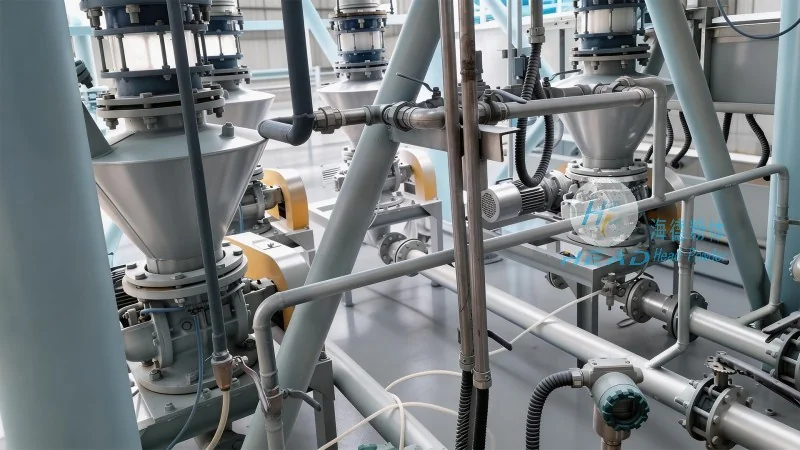
HeadPowder, or Shandong HeadPowder Engineering Co., Ltd., is a leading manufacturer of conveying systems based in Shandong, China. The company specializes in designing, manufacturing, and supplying customized stone powder conveying lines tailored to the unique needs of various industries. With years of experience in the field, HeadPowder has developed a deep understanding of the challenges associated with handling stone powders and has developed innovative solutions to address these challenges. The company's team of engineers and technicians work closely with clients to understand their specific requirements, such as the required capacity, transport distance, and material characteristics, and then design a system that meets or exceeds their expectations. HeadPowder's products are known for their high efficiency, reliability, and durability, which are essential for ensuring smooth operations in demanding industrial environments. The company adheres to strict quality control standards and uses advanced manufacturing techniques to ensure that each conveying line is built to the highest standards. HeadPowder also provides comprehensive after-sales support, including maintenance, repair, and technical assistance, to ensure that clients can maximize the lifespan and performance of their equipment.
Technical Advantages: Efficiency and Reliability in Stone Powder Handling
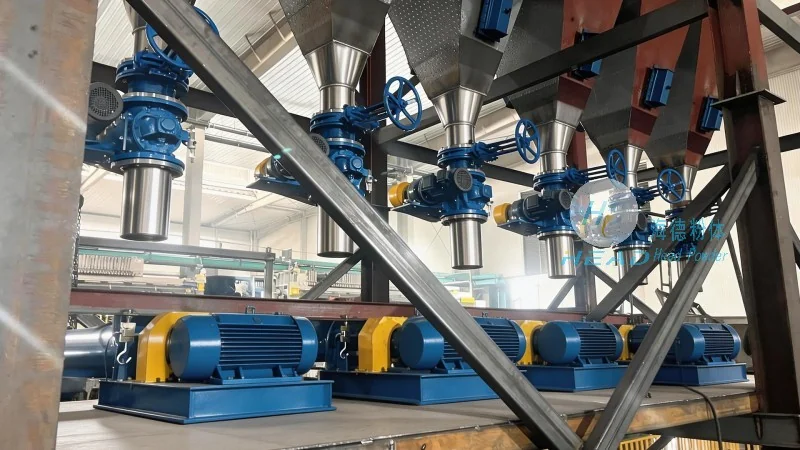
Stone powder conveying lines offer several technical advantages that make them an ideal choice for many industrial applications. One of the key advantages is their ability to handle large volumes of material with minimal labor. Unlike manual handling methods, which are time-consuming and labor-intensive, conveying systems can transport material continuously and at a high rate. This not only increases productivity but also reduces the risk of accidents and injuries in the workplace. Another advantage is the reduction in material loss and contamination. Conveying systems are designed to minimize the exposure of the material to the environment, which helps to prevent dust and debris from entering the system. This is particularly important for stone powders, as they can be prone to caking and clumping, which can affect their flowability and handling. The systems also help to maintain the purity of the material, which is critical for industries like construction and chemicals where the quality of the material directly impacts the quality of the final product. Additionally, stone powder conveying lines are energy-efficient compared to other material handling methods. Pneumatic conveying systems, for example, use less energy than mechanical systems like belt conveyors, especially for long-distance transport. This not only reduces operating costs but also contributes to a more sustainable and environmentally friendly operation. The reliability of these systems is another significant advantage. With proper maintenance and regular inspections, conveying lines can operate for extended periods without downtime, ensuring that production processes are not interrupted. HeadPowder's systems are designed with this reliability in mind, incorporating features like overload protection, temperature sensors, and automatic shut-off mechanisms to prevent damage and ensure safe operation.
Application Scenarios: Real-World Implementations Across Industries
The effectiveness of stone powder conveying lines is demonstrated in various real-world applications across different industries. In a large-scale construction project, a HeadPowder-designed pneumatic conveying system was installed to transport stone powders from a storage silo to a concrete mixing plant. The system was capable of transporting 150 tons of material per hour over a distance of 500 meters, with minimal dust generation and high material recovery rates. The system's ability to handle the high volume and long distance was crucial for meeting the project's schedule and ensuring a consistent supply of materials. In the mining industry, a HeadPowder conveyor system was used to transport ore powders from a processing plant to a storage silo. The system was designed to handle abrasive materials and high temperatures, with the conveyor components made from wear-resistant materials like stainless steel and rubber. The system's reliability was demonstrated during a 24-hour operation, with no downtime or material blockages, ensuring that the mining operation could continue without interruption. In the chemical industry, a HeadPowder screw conveyor was installed in a cement production plant to transport limestone powders from a storage bin to a grinding mill. The system was designed to maintain the purity of the material and prevent contamination, with the conveyor components coated with a non-stick material to prevent material buildup. The system's efficiency was evident in the consistent flow of material and the reduced maintenance requirements, as the non-stick coating minimized the need for cleaning and repairs. These examples illustrate the versatility and effectiveness of stone powder conveying lines in various industrial settings, highlighting their importance in modern material handling operations.




