When considering the transportation of sawdust and wood chips, selecting the appropriate pneumatic conveying system is a critical decision that impacts operational efficiency, cost management, and overall process reliability. Two primary system types dominate the industry: positive pressure and negative pressure pneumatic conveying. Each approach offers distinct advantages and is suited to different operational scenarios. Understanding the nuances of these systems is essential for optimizing material handling in wood processing facilities. This article provides a comprehensive overview of positive and negative pressure pneumatic conveying, focusing on their applications, benefits, and key differentiating factors for sawdust and wood chip transport.
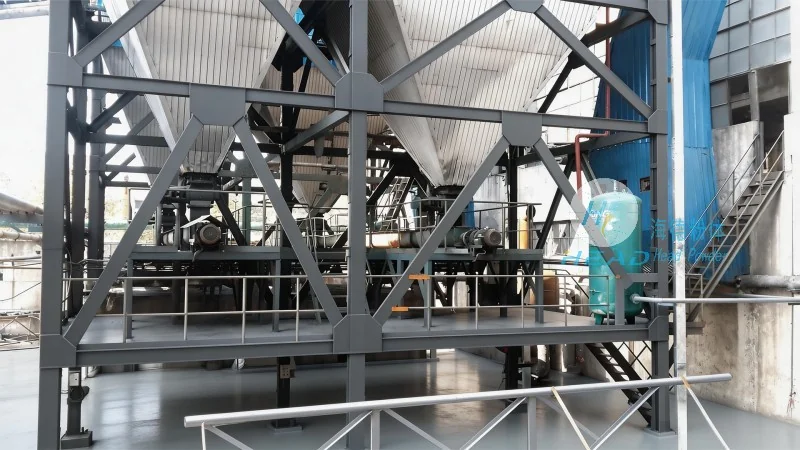
Positive Pressure Pneumatic Conveying for Sawdust and Wood Chips
Positive pressure systems operate by generating a pressure within the conveying line that is higher than the ambient atmospheric pressure. This is typically achieved using a positive displacement blower or a high-pressure air compressor. The elevated pressure ensures that the material is continuously propelled forward through the pipeline, maintaining a consistent flow rate and minimizing the risk of blockages or material buildup. For sawdust and wood chips, positive pressure systems are particularly effective for long-distance conveying, complex network layouts, or when the material needs to be distributed to multiple destinations from a single source. The continuous pressure also helps in preserving the quality of the material, as it reduces exposure to ambient air and prevents dust accumulation. Additionally, positive pressure systems are often preferred for high-volume applications, as they can handle larger quantities of material without compromising flow rates. The robust design and ability to maintain pressure over extended distances make this approach ideal for industrial-scale wood processing operations.
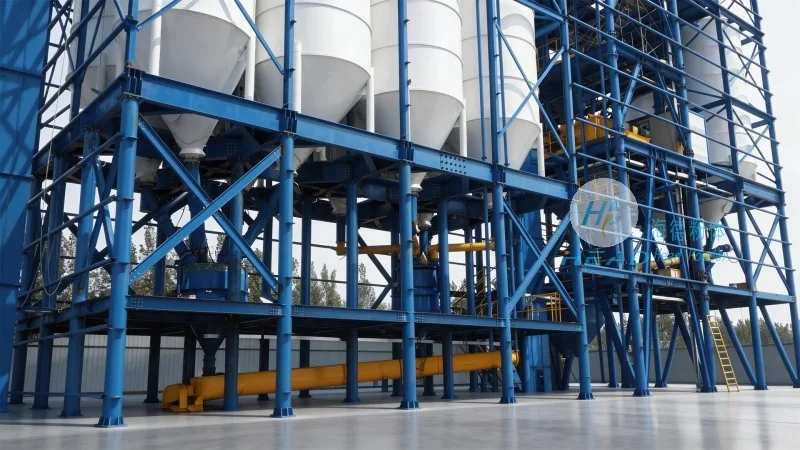
Negative Pressure Pneumatic Conveying for Sawdust and Wood Chips
Negative pressure systems, in contrast, create a vacuum within the conveying line, drawing the material and air mixture into the system. This is typically accomplished using a centrifugal fan or a vacuum pump. The vacuum effect pulls the material from the source, such as a hopper or collection point, and transports it to a central processing or storage location. Negative pressure systems are generally more suitable for shorter conveying distances or when the material is generated at multiple points and needs to be consolidated into a single destination. The vacuum environment helps in capturing fine particles and reducing dust emissions, making it an environmentally friendly option for applications where air quality is a concern. For sawdust and wood chips, negative pressure systems are advantageous when dealing with lightweight materials that are easily entrained by air, as the vacuum effectively pulls the material into the line without requiring high pressure. The lower energy consumption and reduced noise levels are additional benefits, though they may limit the maximum conveying distance compared to positive pressure systems. This approach is often used in situations where the material is collected from various points, such as a sawmill or wood chipper, and needs to be transported to a central silo or processing unit.
Distinguishing Between Positive and Negative Pressure Systems
Several key factors can help in differentiating between positive and negative pressure pneumatic conveying systems. The first and most significant factor is the conveying distance and system layout. Positive pressure systems are generally more effective for longer distances due to their ability to maintain high pressure over extended lengths, while negative pressure systems are better suited for shorter runs or when the material is collected from multiple points. Another critical consideration is the material's physical properties, including its density, moisture content, and dust generation characteristics. High-density materials or those prone to dust accumulation may benefit more from the controlled environment of a positive pressure system, which can reduce dust emissions and improve material handling efficiency. Conversely, lightweight materials that are easily entrained by air may perform better in a negative pressure system, where the vacuum effectively pulls the material into the line. Operational costs and maintenance requirements also play a crucial role. Positive pressure systems typically require more robust components, such as high-pressure blowers and reinforced pipelines, and may have higher energy consumption due to the need to maintain pressure. In contrast, negative pressure systems can be less expensive to install but may have higher maintenance needs for vacuum pumps and filters. The choice between the two systems also depends on the specific application requirements, such as the need for material distribution to multiple points versus consolidation from multiple sources. For example, a sawmill that needs to transport sawdust from several chipping stations to a central storage silo may find negative pressure systems more suitable, while a facility that requires long-distance distribution of wood chips to processing units may opt for positive pressure systems.
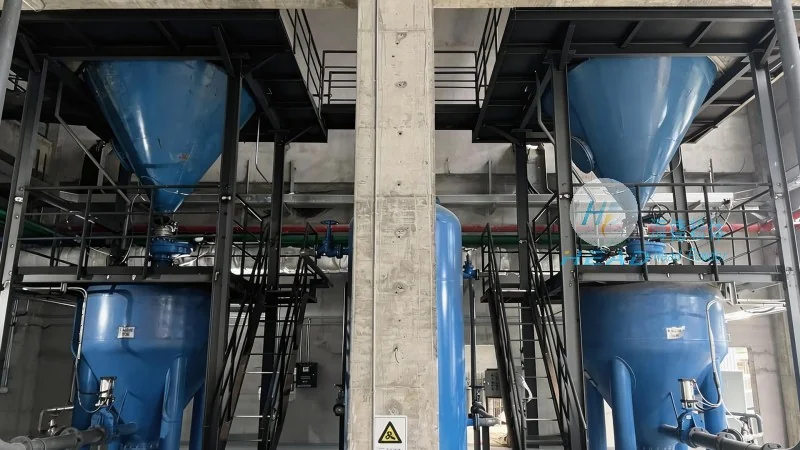
About Shandong HeadPowder Engineering Co., Ltd.
Shandong HeadPowder Engineering Co., Ltd., commonly known as HeadPowder, is a leading engineering firm specializing in the design, manufacturing, and installation of pneumatic conveying systems for the wood processing industry. With a strong focus on innovation and customer satisfaction, HeadPowder has established itself as a trusted partner for businesses seeking efficient and reliable material handling solutions. The company's expertise lies in understanding the unique challenges associated with transporting sawdust and wood chips, such as material abrasiveness, dust generation, and varying particle sizes. HeadPowder's team of engineers and technicians work closely with clients to develop customized systems that meet their specific operational needs, ensuring optimal performance and minimal downtime. The company's commitment to quality is reflected in its adherence to international standards and rigorous testing protocols, which guarantee the durability and longevity of its equipment. HeadPowder's facilities are located in Shandong, China, where it leverages local manufacturing capabilities and global market insights to deliver cutting-edge technologies that enhance productivity and reduce operational costs for its clients. By combining advanced engineering with practical application knowledge, HeadPowder provides tailored solutions that address the diverse requirements of the wood processing sector, helping businesses achieve their production goals while maintaining environmental compliance and operational efficiency.




