Efficient waste handling is a critical aspect of modern environmental management, and pneumatic conveying technology plays a pivotal role in transporting bulk waste materials from collection sites to processing facilities. This article provides an in-depth analysis of the two primary modes of pneumatic conveying—positive pressure and negative pressure systems—exploring their operational principles, advantages, and applications in waste management. By understanding the nuances of each mode, waste management professionals can select the most suitable technology for their specific needs, ensuring optimal performance, cost-effectiveness, and environmental compliance.
Understanding Positive Pressure Pneumatic Conveying
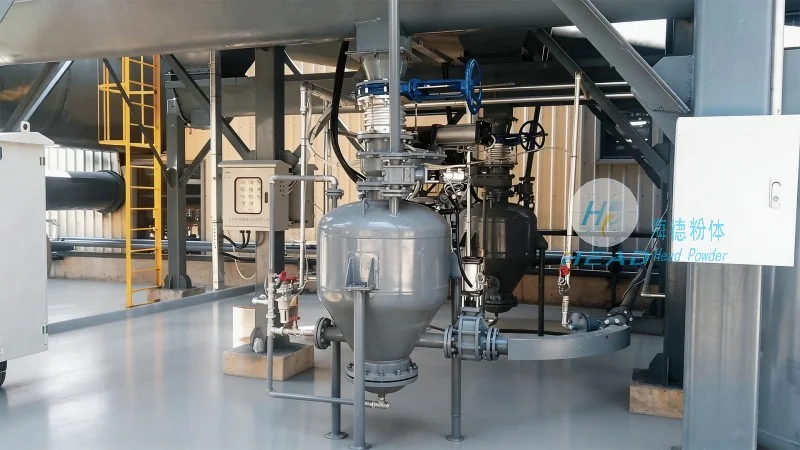
Positive pressure pneumatic conveying systems operate by generating air pressure within the conveying line, which forces the material to move through the system. The system typically includes a blower or compressor that supplies high-pressure air, and the material is introduced into the line via a hopper or feeder. As the air flows through the line, it carries the waste particles, maintaining a consistent flow rate and preventing material buildup or blockages. This mode is particularly effective for transporting abrasive or corrosive materials, as the high-pressure air provides sufficient force to move even dense or sticky waste.
One of the key advantages of positive pressure systems is their ability to handle long conveying distances and multiple transfer points. The high air pressure ensures that the material remains suspended in the air stream, reducing the risk of clogging and minimizing the need for maintenance. Additionally, positive pressure systems are well-suited for applications where the waste material is sensitive to moisture or contamination, as the sealed system prevents external air or contaminants from entering the line. However, these systems require robust equipment and regular maintenance to handle the high pressures and abrasive materials, which can increase operational costs over time.
Exploring Negative Pressure Pneumatic Conveying
Negative pressure, or vacuum, pneumatic conveying systems work by creating a low-pressure environment within the conveying line, drawing the material into the system through a suction point. The system uses a vacuum pump to remove air from the line, creating a pressure differential that pulls the waste material from the source to the processing facility. Unlike positive pressure systems, negative pressure systems do not require high-pressure air, making them more energy-efficient and suitable for shorter conveying distances. The material is typically introduced into the line via a hopper or feeder, and the vacuum pump maintains the suction force to keep the material moving.
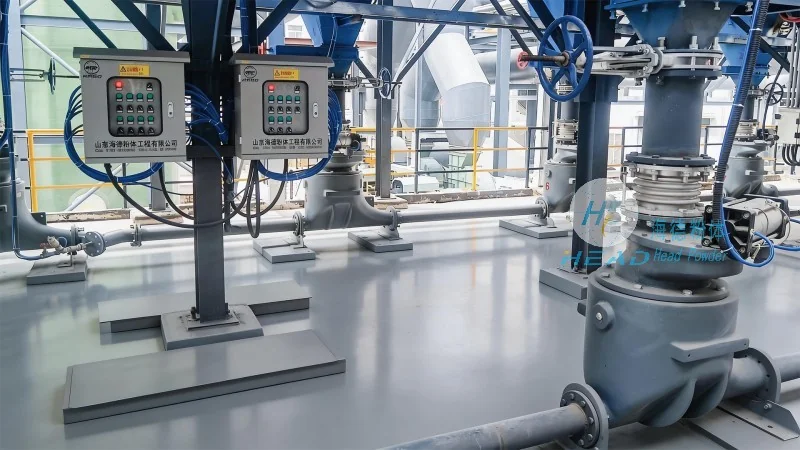
One of the primary benefits of negative pressure systems is their lower energy consumption and reduced equipment wear. The absence of high-pressure air means less stress on the system components, resulting in lower maintenance costs and longer equipment lifespan. Additionally, negative pressure systems are ideal for applications where the waste material is light or dusty, as the vacuum effectively captures and transports fine particles without the need for additional filtration. However, these systems have limitations in terms of conveying distance and material density, as the suction force may not be sufficient to move dense or heavy waste over long distances. Furthermore, negative pressure systems are more susceptible to clogging due to the lower air velocity, requiring more frequent cleaning and maintenance.
Comparison of Positive and Negative Pressure Systems in Waste Management
When selecting a pneumatic conveying system for waste management, it is essential to compare the operational characteristics, advantages, and limitations of positive and negative pressure modes. The choice between the two systems depends on several factors, including the type of waste material, conveying distance, system complexity, and cost considerations. Positive pressure systems are generally preferred for transporting abrasive, corrosive, or heavy waste over long distances, as they provide the necessary force to move dense materials and maintain consistent flow rates. Negative pressure systems, on the other hand, are more suitable for light, dusty waste or applications requiring lower energy consumption and shorter conveying distances.
From an operational perspective, positive pressure systems offer greater control over the conveying process, allowing for precise adjustment of air pressure and flow rate to optimize material movement. The sealed system also reduces the risk of dust emissions and environmental contamination, making it more environmentally friendly. Negative pressure systems, while energy-efficient, may require additional filtration systems to prevent dust from escaping into the environment, which can increase operational costs and complexity. In terms of maintenance, positive pressure systems may require more frequent inspections and repairs due to the high pressures and abrasive materials, whereas negative pressure systems have lower maintenance requirements but are more prone to clogging.
Application Examples and Practical Considerations
Real-world applications of pneumatic conveying systems in waste management illustrate the effectiveness of both positive and negative pressure modes. For instance, in municipal solid waste (MSW) processing facilities, positive pressure systems are commonly used to transport heavy waste such as construction debris or bulky items from collection trucks to sorting and processing equipment. The high-pressure air ensures that the material moves efficiently through the system, even when dealing with dense or irregularly shaped waste. In contrast, negative pressure systems are often employed in recycling facilities to transport light materials such as paper or plastic from collection bins to sorting lines. The vacuum system effectively captures these fine particles, minimizing the risk of dust dispersion and maintaining a clean working environment.
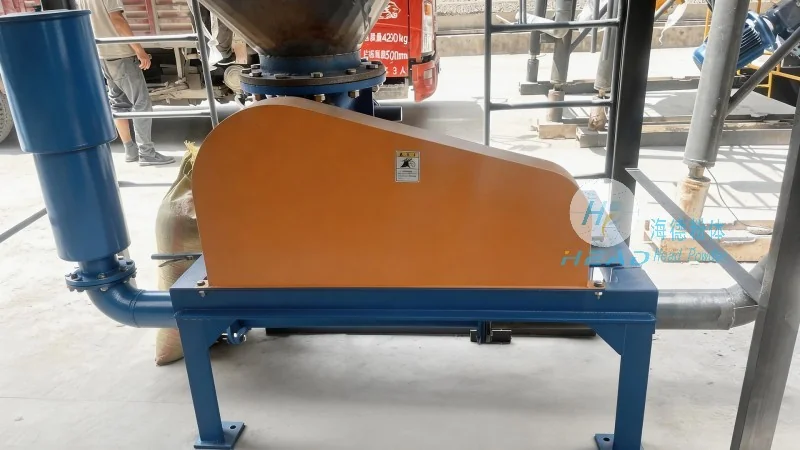
Another practical consideration is the impact of system design on operational efficiency. Positive pressure systems typically require larger blower units and more robust piping to handle high pressures, which can increase initial investment costs. However, the ability to convey materials over longer distances and handle diverse waste types makes them a cost-effective solution for large-scale waste management operations. Negative pressure systems, while more energy-efficient, may require additional space for the vacuum pump and filtration equipment, which can affect the overall layout of the facility. Additionally, the choice of system may be influenced by local regulations and environmental standards, as both positive and negative pressure systems must comply with dust emission limits and noise control requirements.
Conclusion and Recommendations
In conclusion, pneumatic conveying technology offers a versatile and efficient solution for waste management, with positive and negative pressure systems each providing unique advantages and limitations. Positive pressure systems are ideal for transporting heavy, abrasive, or corrosive waste over long distances, while negative pressure systems are better suited for light, dusty materials or applications requiring lower energy consumption. When selecting a pneumatic conveying system, waste management professionals should consider factors such as material characteristics, conveying distance, operational costs, and environmental compliance to ensure optimal performance and cost-effectiveness.
For organizations seeking to implement or upgrade their waste handling systems, it is recommended to consult with experienced engineering firms that specialize in pneumatic conveying technology. By leveraging the expertise of companies like Shandong HeadPowder Engineering Co., Ltd., waste management facilities can select the most appropriate system for their needs, ensuring efficient material transport, reduced operational costs, and improved environmental performance. With the right system design and maintenance, pneumatic conveying technology can significantly enhance the efficiency and sustainability of waste management operations, contributing to a cleaner and more sustainable environment.




