When selecting a pneumatic conveying system for gravity dust removal, one of the critical decisions is whether to use a positive pressure or negative pressure system. The choice impacts operational efficiency, equipment durability, and overall system cost. Understanding the fundamental differences between these two approaches is essential for making an informed decision. This article provides a detailed comparison of positive and negative pressure systems, focusing on their applications, advantages, and key distinguishing features.
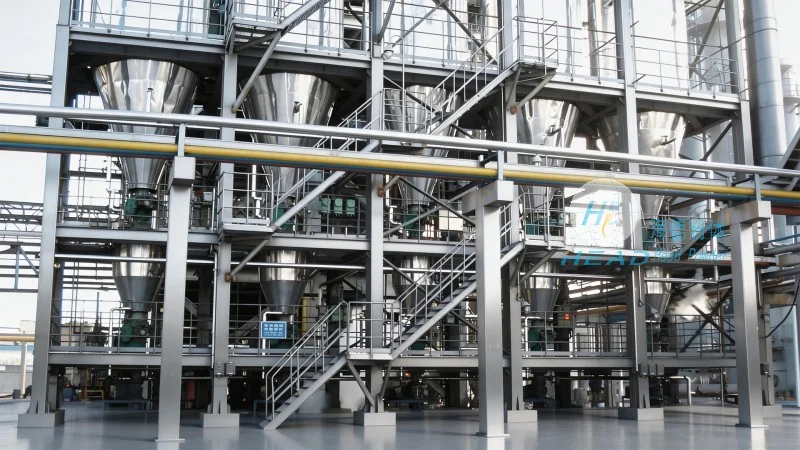
Understanding Pneumatic Conveying Systems for Gravity Dust Removal
Pneumatic conveying systems are widely used in industrial settings to transport bulk materials, including dust and fine particles, from one location to another. In gravity dust removal applications, these systems are designed to handle materials that are prone to settling or require gentle handling to prevent degradation. The primary goal is to transport the material efficiently while maintaining the integrity of the dust particles. Two main types of pneumatic conveying systems are commonly employed: positive pressure and negative pressure systems.
Positive Pressure Pneumatic Conveying Systems
Positive pressure systems operate by blowing air or gas into the conveying line, creating a pressure higher than the ambient air pressure. This method propels the material forward through the pipeline. The system typically includes a blower or compressor at the discharge end, which supplies the necessary air pressure to move the material. A key characteristic of positive pressure systems is that the conveying line is under pressure, which helps prevent external air from entering and contaminating the material being transported.
Positive pressure systems are often preferred for applications involving abrasive or corrosive materials, as the pressurized environment can help protect the equipment from wear and tear. Additionally, these systems are suitable for long-distance conveying and can handle materials with high moisture content, as the pressurized air helps maintain the material's flowability. However, they may require more robust equipment and higher energy consumption compared to negative pressure systems.
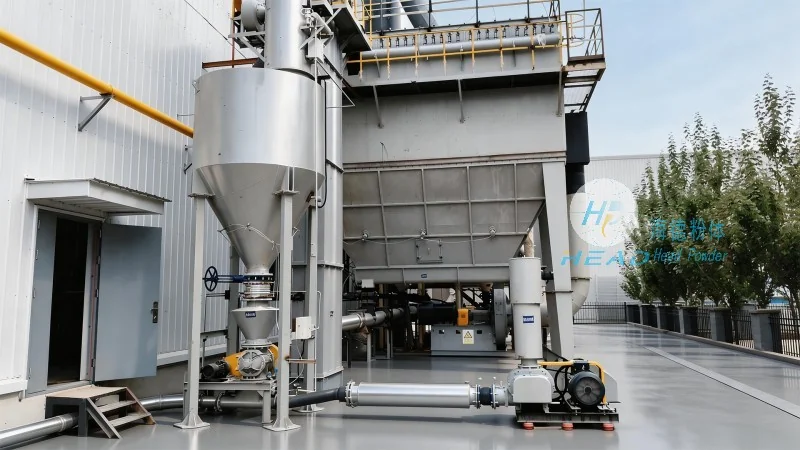
Negative Pressure Pneumatic Conveying Systems
Negative pressure systems, also known as vacuum systems, operate by creating a vacuum in the conveying line, which draws the material into the system. The system uses a vacuum pump or fan at the intake end to pull the material from the source and transport it to the destination. Unlike positive pressure systems, the conveying line is under a lower pressure than the ambient air, which means external air can enter the system but is typically filtered to prevent contamination.
Negative pressure systems are commonly used for applications where the material is to be collected from a source that is difficult to access or where the material is sensitive to pressure changes. These systems are often more energy-efficient for short to medium distances and are suitable for handling materials that are not highly abrasive. However, they may be less effective for long-distance conveying and can be more prone to clogging if the material contains large particles or high moisture content.
Distinguishing Between Positive and Negative Pressure Systems
The primary distinction between positive and negative pressure systems lies in the direction of air flow and the pressure differential within the conveying line. Positive pressure systems push material forward using compressed air, while negative pressure systems pull material using a vacuum. This fundamental difference affects the system's design, maintenance requirements, and operational considerations.
From an operational perspective, positive pressure systems are generally more straightforward to install and maintain, as they do not require complex vacuum equipment. However, they may produce more noise and require proper ventilation to manage the exhaust air. Negative pressure systems, on the other hand, are quieter and can be more energy-efficient for certain applications, but they may require more frequent maintenance of the vacuum pump and filtration systems.
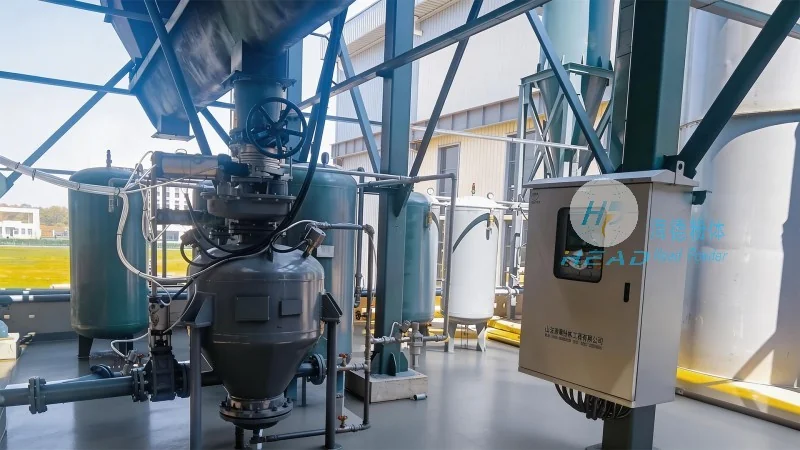
Factors to Consider When Choosing a System
When deciding between a positive pressure and negative pressure system for gravity dust removal, several factors should be considered. These include the distance between the source and destination, the type and properties of the material (such as particle size, moisture content, and abrasiveness), the required flow rate, and the available space for equipment installation. Additionally, the cost of equipment, energy consumption, and maintenance requirements play a significant role in the decision-making process.
For short-distance conveying of non-abrasive materials, a negative pressure system may be more cost-effective. Conversely, for long-distance or high-abrasion applications, a positive pressure system is often the better choice. It is also important to consider the environmental impact, as positive pressure systems may require additional air filtration to meet emission standards.
Conclusion
Choosing between positive pressure and negative pressure pneumatic conveying systems for gravity dust removal requires a thorough evaluation of the specific application requirements. Both systems have their advantages and limitations, and the optimal choice depends on the material characteristics, operational distance, and overall system goals. By understanding the fundamental differences and considering the key factors outlined above, industrial facilities can select the most suitable system to ensure efficient and reliable dust removal and material transport.




