Caustic soda, also known as sodium hydroxide (NaOH), is a widely used chemical in various industrial applications, including chemical manufacturing, paper production, and water treatment. The efficient and safe handling of caustic soda powder is crucial for industrial operations, and powder conveying systems play a vital role in this process. This article explores the fundamental principles of caustic soda powder conveying systems and highlights the key characteristics of their working scenarios, providing insights into how these systems enhance operational efficiency and safety in industrial settings. The information presented is based on the expertise of Shandong HeadPowder Engineering Co., Ltd., a leading provider of industrial powder handling solutions based in Shandong, China.
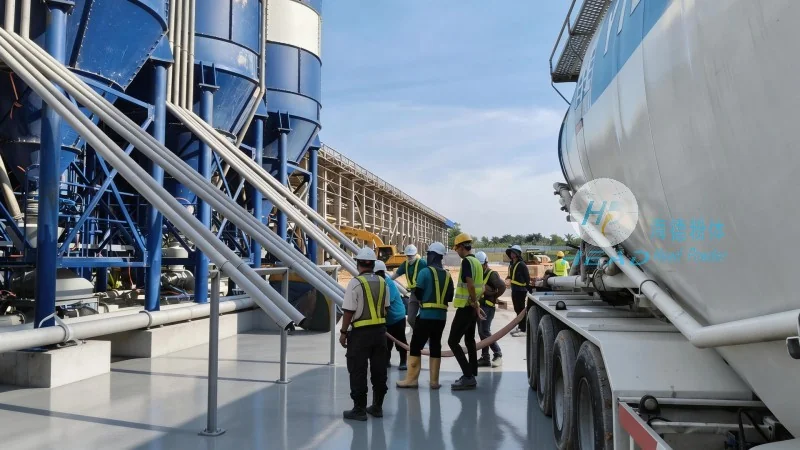
Understanding the Core Principles of Caustic Soda Powder Conveying Systems
Caustic soda powder conveying systems are engineered to transport caustic soda from storage or processing areas to points of use within industrial facilities. The primary principle behind these systems is to ensure the safe and reliable movement of the powder, minimizing the risk of dust generation, material degradation, and operational hazards. Key components of such systems typically include feeders, conveyors, and control mechanisms, each designed to address specific challenges associated with caustic soda handling.
One of the most common types of caustic soda powder conveying systems is the pneumatic conveying system. This method utilizes compressed air or other gases to transport the powder through a pipeline. The principle involves creating a pressure differential that propels the powder particles along the pipeline. Pneumatic systems are particularly effective for long-distance and high-volume transport, offering advantages such as reduced labor costs and improved safety by eliminating manual handling of the powder. However, they require careful design to prevent clogging and maintain consistent flow rates.
Another widely used approach is the mechanical conveying system, which relies on mechanical components like screw conveyors, belt conveyors, or bucket elevators to move the powder. Mechanical systems are often preferred for shorter distances and when the powder needs to be handled at a lower speed to prevent degradation. They are also more cost-effective for smaller-scale operations and provide better control over the material's temperature and moisture content. The choice between pneumatic and mechanical conveying systems depends on factors such as the plant layout, the required transport distance, and the specific properties of the caustic soda powder being handled.
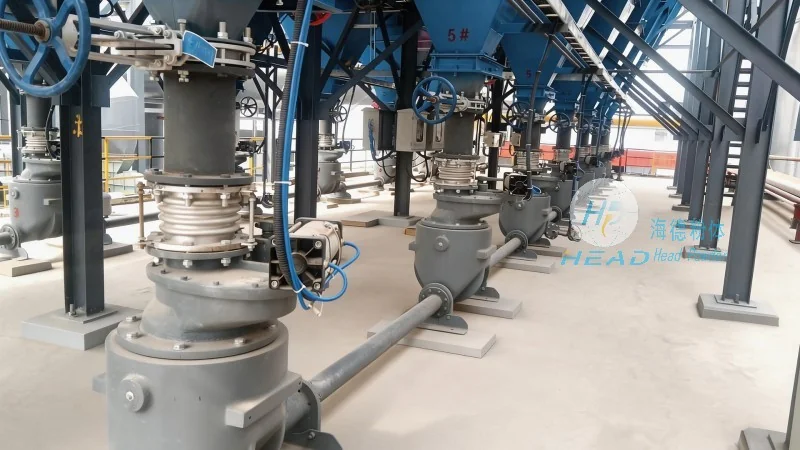
Working Scenario Characteristics of Caustic Soda Powder Conveying Systems
The working scenarios of caustic soda powder conveying systems vary significantly based on the industrial application and the scale of operations. In chemical manufacturing plants, these systems are often integrated into larger production lines, where caustic soda is used as a reactant or a neutralizing agent. The working scenario in such environments typically involves high-volume, continuous operation, with the conveying system working in tandem with other processing equipment to maintain a steady flow of material.
In the paper industry, caustic soda is used for pulp processing and bleaching. The conveying system in this scenario must handle larger quantities of powder and often operates in conjunction with other chemicals and equipment. The working environment may involve higher humidity and temperature variations, which can affect the powder's properties and the system's performance. Therefore, the design of the conveying system must account for these environmental factors to ensure reliable operation.
Water treatment facilities also utilize caustic soda powder conveying systems to adjust pH levels and remove impurities from water. The working scenario here is characterized by frequent start-stop cycles and the need for precise dosing. The system must be capable of delivering the exact amount of caustic soda required for treatment, while also ensuring safety measures are in place to prevent accidental over-dosing or exposure to the material. The control mechanisms in these systems are often more sophisticated, incorporating sensors and automation to maintain optimal performance.
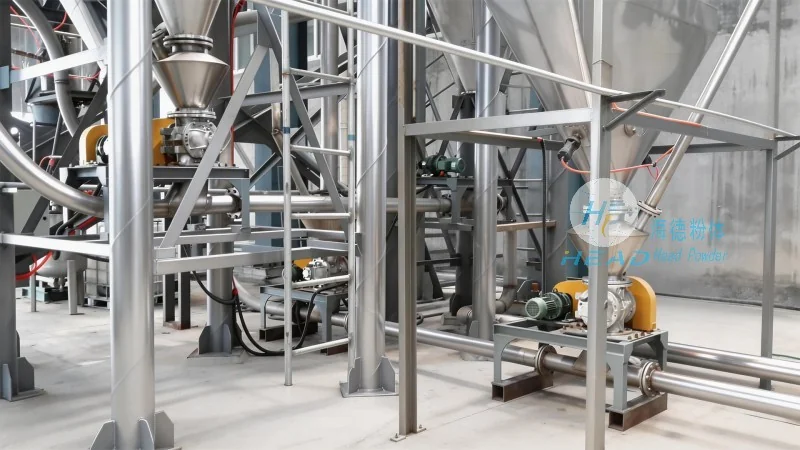
Key Considerations for Design and Implementation
When designing and implementing a caustic soda powder conveying system, several factors must be considered to ensure optimal performance and safety. Material selection is a critical aspect, as caustic soda is highly corrosive and can damage standard materials. Systems are typically constructed from corrosion-resistant materials such as stainless steel, polyethylene, or specialized alloys to withstand the chemical environment. Additionally, the design must address the potential for dust generation, as caustic soda powder is a fine particulate that can cause respiratory issues and environmental contamination. Enclosed systems with proper ventilation and dust collection are essential to mitigate these risks.
Another important consideration is the system's scalability and adaptability. As industrial operations grow or change, the conveying system may need to be modified to accommodate increased production volumes or new applications. Modular designs and flexible components allow for easy adjustments without extensive downtime. Furthermore, the integration of advanced control systems, such as programmable logic controllers (PLCs) and sensors, enhances the system's efficiency and allows for real-time monitoring and adjustments.
Operational safety is paramount in caustic soda handling, and the conveying system must incorporate multiple safety features. These may include emergency shut-off valves, pressure relief devices, and monitoring systems to detect leaks or abnormal conditions. Regular maintenance and inspection are also essential to ensure the system operates within safe parameters and to identify potential issues before they lead to failures or accidents.




