Shandong HeadPowder Engineering Co., Ltd., a leading provider in the field, specializes in the design and implementation of pneumatic conveying systems tailored for phenolic resin powders. With a focus on efficiency, reliability, and safety, our systems are engineered to meet the unique challenges associated with handling this specific material. This article outlines key design considerations that ensure optimal performance and longevity of the system.
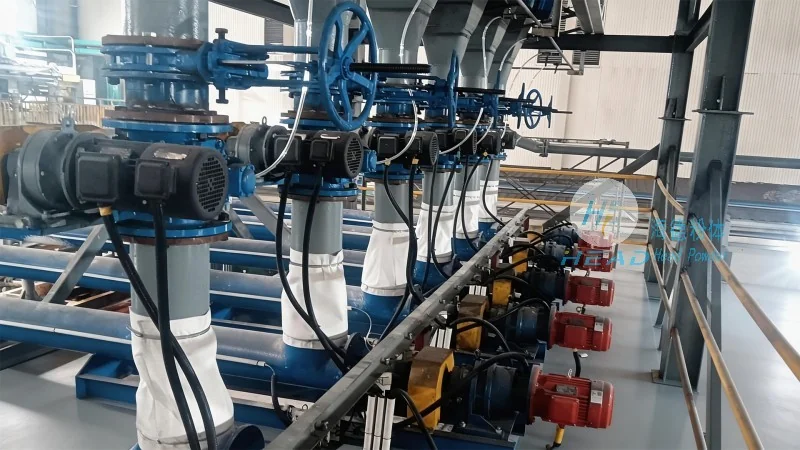
System Type Selection: Dilute Phase vs. Dense Phase
When designing a pneumatic conveying system for phenolic resin powders, the first critical decision is choosing between dilute phase and dense phase systems. Dilute phase systems, which use low air velocity and high material concentration, are suitable for short distances and moderate material flow rates. Dense phase systems, on the other hand, employ higher air pressure and lower material velocity, ideal for longer distances and preventing material degradation. For phenolic resin powders, which can be sensitive to air exposure and friction, dense phase systems often provide better protection against degradation and caking. Our engineering team at Shandong HeadPowder Engineering Co., Ltd. evaluates the specific application requirements—such as distance, flow rate, and material properties—to recommend the most appropriate system type. This ensures that the system not only meets operational needs but also maintains the quality of the phenolic resin powder throughout the conveying process.
Pipeline Design and Material Selection
The design of the conveying pipeline is paramount to the system's performance and longevity. For phenolic resin powders, which can be abrasive and corrosive under certain conditions, the choice of pipeline material is critical. Stainless steel, particularly 316L, is commonly used due to its resistance to corrosion and abrasion. However, for systems handling large volumes or high-temperature applications, specialized alloys or lined pipes may be necessary. The pipeline diameter must be optimized to balance air velocity and material flow. Excessive air velocity can cause material degradation and increased energy consumption, while insufficient velocity may lead to blockages. Our engineers at Shandong HeadPowder Engineering Co., Ltd. use computational fluid dynamics (CFD) and empirical data to determine the optimal diameter and air velocity for each application. Additionally, the pipeline layout should minimize bends and changes in direction to reduce pressure losses and prevent material accumulation. Proper sealing at joints and connections is also essential to prevent leaks and maintain system efficiency.
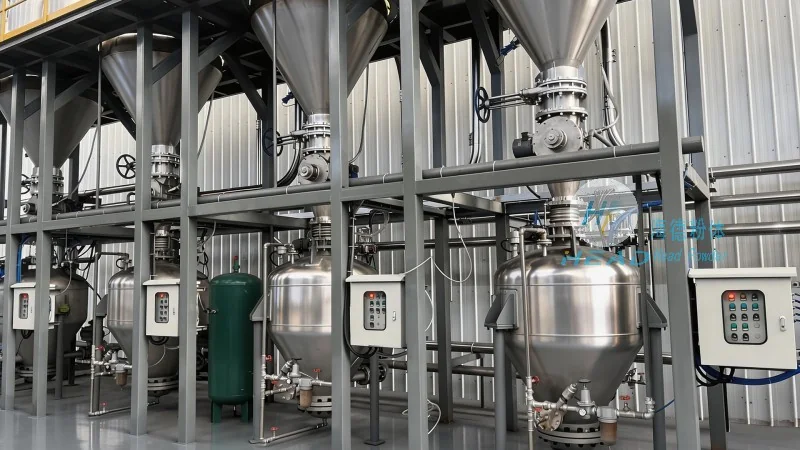
Air Source and Pressure Considerations
The air source and pressure levels are fundamental to the operation of a pneumatic conveying system. For phenolic resin powders, which require controlled air flow to prevent agglomeration, the air source must be clean and dry. Compressed air systems with filtration and drying units are typically used to remove moisture and contaminants that could affect the material. The pressure level is determined by the system type and the distance over which the material is conveyed. Dilute phase systems often operate at lower pressures (e.g., 0.5-1 bar), while dense phase systems may require higher pressures (e.g., 2-5 bar). The air source must be capable of delivering sufficient volume and pressure to maintain the desired material velocity without excessive energy consumption. At Shandong HeadPowder Engineering Co., Ltd., we recommend regular maintenance of the air source equipment to ensure consistent performance and prevent issues such as air leaks or pressure fluctuations that could impact system efficiency.
Material Handling and Conditioning
Before entering the conveying system, phenolic resin powders may require conditioning to improve flowability and prevent caking. This can include pre-drying to reduce moisture content, or the addition of anti-caking agents. The material should be stored in a dry, well-ventilated area to maintain its properties. The hopper or feeder used to introduce the material into the system must be designed to prevent material bridging and ensure a consistent flow rate. For phenolic resin powders, which can be cohesive, a rotary valve or a star feeder may be used to control the material discharge. The feeder must be sized appropriately to match the system's capacity and avoid overloading the pipeline. Our team at Shandong HeadPowder Engineering Co., Ltd. conducts material testing to determine the optimal conditioning and feeding methods for each specific application, ensuring that the material is handled efficiently and without degradation.
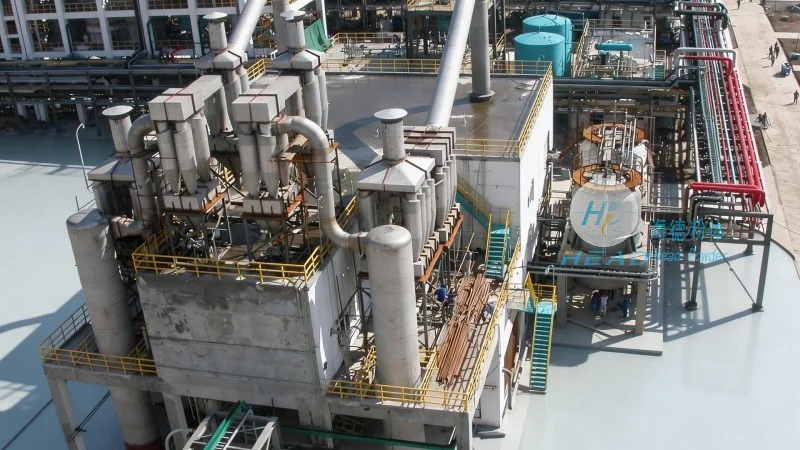
Control and Monitoring Systems
Effective control and monitoring are essential for maintaining the performance and reliability of a pneumatic conveying system. Automated control systems can regulate air pressure, material flow rate, and system speed based on real-time data. Sensors such as pressure transducers, flow meters, and level detectors provide critical information about the system's operation. For phenolic resin powders, monitoring for pressure drops, air leaks, or material blockages is crucial. The control system should also include alarms and safety interlocks to prevent overpressure or other hazardous conditions. At Shandong HeadPowder Engineering Co., Ltd., we integrate advanced control systems that allow for remote monitoring and troubleshooting, reducing downtime and maintenance costs. These systems are designed to adapt to changing operational conditions, ensuring consistent performance over the system's lifespan.
Installation and Maintenance
The proper installation and regular maintenance of a pneumatic conveying system are critical to its long-term performance. Installation should follow manufacturer guidelines and industry standards to ensure proper alignment and sealing. The system should be commissioned with a test run to verify that all components are functioning correctly and that the material is being conveyed as expected. Regular maintenance, including cleaning of filters, checking for air leaks, and inspecting pipeline integrity, is essential to prevent system failures. For phenolic resin powders, which can be abrasive, the pipeline and components should be inspected more frequently to detect signs of wear or corrosion. Our maintenance services at Shandong HeadPowder Engineering Co., Ltd. include scheduled inspections, component replacement, and troubleshooting to ensure that the system operates at peak efficiency. By adhering to a regular maintenance schedule, users can extend the life of the system and minimize operational disruptions.




