For companies in the lithium-ion battery industry, the efficient and reliable transportation of cathode materials is a critical operational requirement. Cathode materials, such as lithium cobalt oxide (LiCoO₂), lithium nickel manganese cobalt oxide (NMC), and lithium iron phosphate (LFP), are often handled in bulk quantities and require specialized handling to maintain material integrity and prevent contamination. Pneumatic conveying systems offer a solution to these challenges by providing a closed-loop, dust-free, and energy-efficient method of material transport. This article outlines key design considerations for pneumatic conveying systems specifically tailored to lithium-ion battery cathode materials, with a focus on ensuring optimal performance, safety, and longevity.
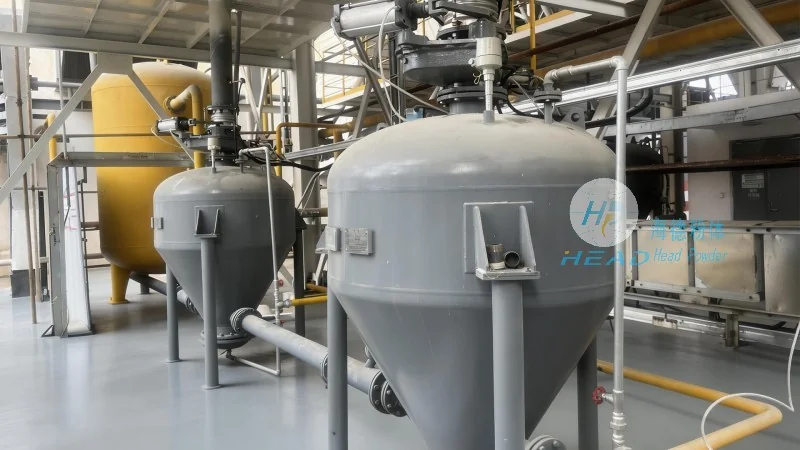
HeadPowder: A Leading Provider of Custom Pneumatic Conveying Solutions
Shandong HeadPowder Engineering Co., Ltd., commonly known as HeadPowder, is a specialized engineering firm based in Shandong, China. With years of experience in the design and implementation of material handling systems, HeadPowder has become a trusted partner for businesses seeking reliable solutions for lithium-ion battery cathode material transportation. The company’s expertise lies in understanding the unique properties of cathode materials and translating those properties into effective pneumatic conveying systems that meet client-specific needs. HeadPowder’s team of engineers works closely with clients to assess operational requirements, material characteristics, and site constraints, ensuring that the final system is both efficient and cost-effective.
Key Design Considerations for Pneumatic Conveying Systems
The design of a pneumatic conveying system for lithium-ion battery cathode materials involves several critical factors that must be carefully evaluated to ensure optimal performance. The first step is a thorough analysis of the material being conveyed. Cathode materials vary in terms of particle size, density, moisture content, and flowability, all of which impact the selection of the appropriate conveying method and equipment. For example, fine powders like LiCoO₂ may require a higher air velocity to prevent clogging, while coarser materials like LFP may be better suited to a lower velocity, lower pressure system. Understanding these material properties is essential for selecting the right system type and preventing operational issues such as blockages or material degradation.
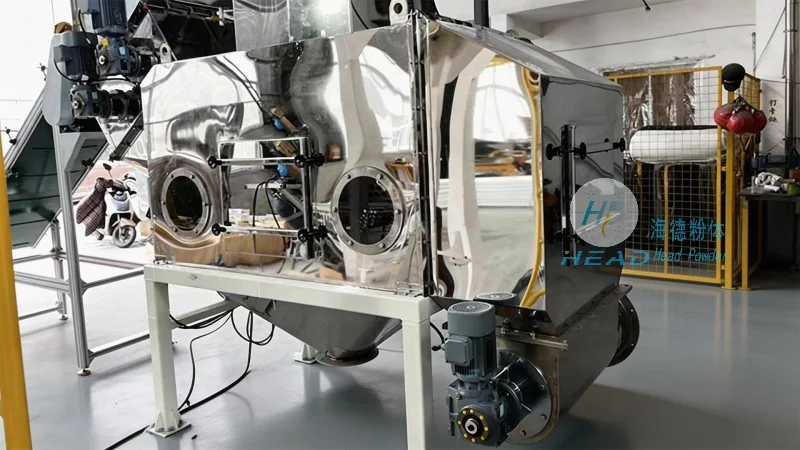
Another crucial design consideration is the choice of pneumatic conveying system type. Two primary categories exist: positive pressure (or pressure) systems and negative pressure (or vacuum) systems. Positive pressure systems use a blower to force air and material through the system, while negative pressure systems use a vacuum to draw material into the system. The selection depends on factors such as the distance to be covered, the height of the system, and the need for containment. For applications involving lithium-ion battery cathode materials, positive pressure systems are often preferred due to their ability to maintain a positive pressure environment, which helps prevent dust emissions and contamination. However, negative pressure systems may be used in situations where the material is sensitive to pressure changes or where the system is integrated with existing vacuum equipment.
Equipment Selection and System Components
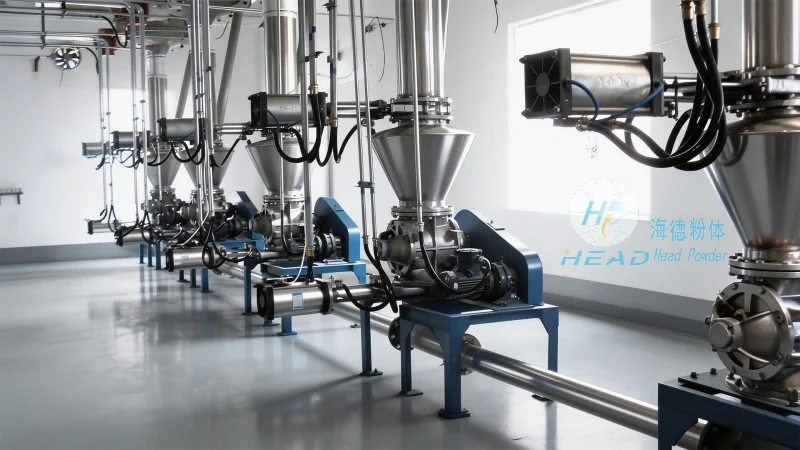
Once the system type is determined, the selection of key components becomes critical. The primary components of a pneumatic conveying system include the material feed system, the conveying line, the separation and collection equipment, and the air handling system. The material feed system, often referred to as a feeder or hopper, is responsible for introducing the cathode material into the system. For fine powders, a rotary valve or a vibratory feeder may be used to ensure a consistent and controlled feed rate. The conveying line, typically made of stainless steel or other corrosion-resistant materials, must be sized appropriately to handle the material flow rate and air velocity. The line diameter and length are critical parameters that affect system efficiency and pressure drop. Separation and collection equipment, such as cyclones or baghouses, are used to separate the material from the air stream and collect it in a container. These components must be designed to handle the specific properties of the cathode material, such as particle size and moisture content, to ensure effective separation and prevent re-entrainment of dust.
The air handling system, which includes the blower or vacuum pump and associated controls, is another key component. The blower’s capacity and pressure rating must be matched to the system’s requirements to ensure sufficient air flow and pressure to move the material. Variable frequency drives (VFDs) are often used to adjust the blower speed and pressure, allowing for energy savings and better control over the system. Additionally, filters and dust collectors are essential to maintain air quality and comply with environmental regulations. These components must be designed to handle the fine particles of cathode materials, which can be abrasive and may cause wear on equipment.
Safety and Environmental Considerations
When designing pneumatic conveying systems for lithium-ion battery cathode materials, safety and environmental considerations are paramount. Cathode materials can be hazardous if inhaled or if they come into contact with skin or eyes. Therefore, the system must be designed to minimize dust generation and ensure proper containment. This includes using sealed hoppers and feeders, as well as enclosing the conveying line where possible. The system should also be equipped with dust collection and filtration systems to capture any airborne particles and prevent their release into the environment. Additionally, the system must comply with local regulations regarding air quality and noise levels. Safety features such as emergency shut-off valves, pressure relief devices, and interlocks are also essential to prevent accidents and ensure safe operation.
Customization and Integration Services
HeadPowder offers customized pneumatic conveying solutions tailored to the specific needs of each client. The company’s engineers work closely with clients to understand their operational requirements, material characteristics, and site constraints, and then design a system that meets those needs. HeadPowder can integrate the pneumatic conveying system with existing equipment, such as storage silos, mixers, or processing lines, to create a seamless material handling workflow. The company also provides installation and commissioning services to ensure that the system is properly installed and operates as intended. Additionally, HeadPowder offers maintenance and support services to ensure the long-term reliability and performance of the system.




