When designing a pneumatic conveying system for cobalt hydroxide, several critical factors must be considered to ensure efficiency, safety, and longevity of the system. The process involves careful evaluation of material properties, system configuration, and operational parameters to optimize performance while minimizing risks.
Material Properties and Flow Characteristics
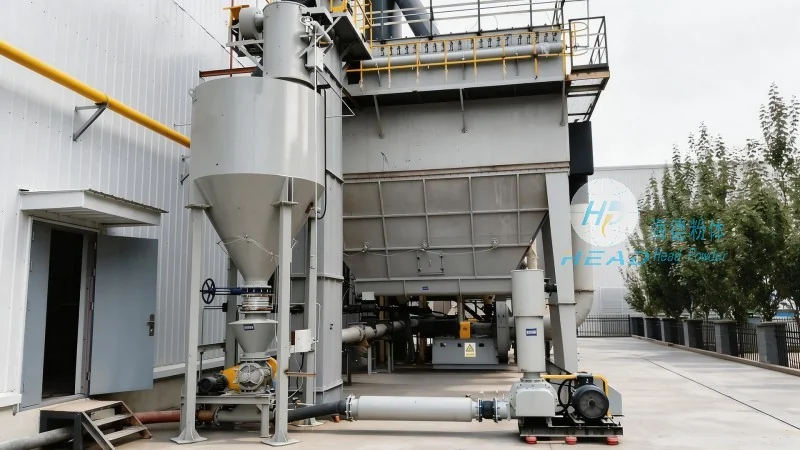
The first step in designing a cobalt hydroxide pneumatic conveying system is to thoroughly understand the material's physical and chemical properties. Cobalt hydroxide is a fine powder with specific density, particle size distribution, and moisture content. These characteristics directly impact the flow behavior within the conveying line. For instance, a high moisture content can lead to agglomeration, which may cause blockages and reduce system efficiency. Therefore, it is essential to assess the material's hygroscopic nature and implement appropriate drying or conditioning measures if necessary. The particle size distribution also affects the air velocity required for stable transport. Coarser particles may require higher air velocities to prevent settling, while finer particles demand more precise control to avoid excessive pressure drops and energy consumption.
System Configuration and Component Selection
System configuration plays a pivotal role in the successful operation of a cobalt hydroxide pneumatic conveying system. The choice of conveying type—such as dilute phase or dense phase—depends on the material's characteristics and the distance to be conveyed. Dilute phase systems use low air velocities and are suitable for short to medium distances, while dense phase systems employ higher air velocities and are ideal for longer distances or when handling abrasive materials. Component selection is equally important. The material feed system, including hoppers and feeders, must be designed to provide consistent material flow without causing segregation or degradation. For cobalt hydroxide, a screw feeder or rotary valve may be preferred to maintain uniform feed rates. The conveying line itself should be constructed from materials resistant to corrosion, as cobalt hydroxide can be slightly acidic or reactive under certain conditions. Stainless steel or specialized alloys are commonly used to prevent material degradation and system corrosion. Additionally, the system should include appropriate filtration and separation equipment to capture fine particles and prevent contamination of downstream processes.
Pressure and Air Flow Management
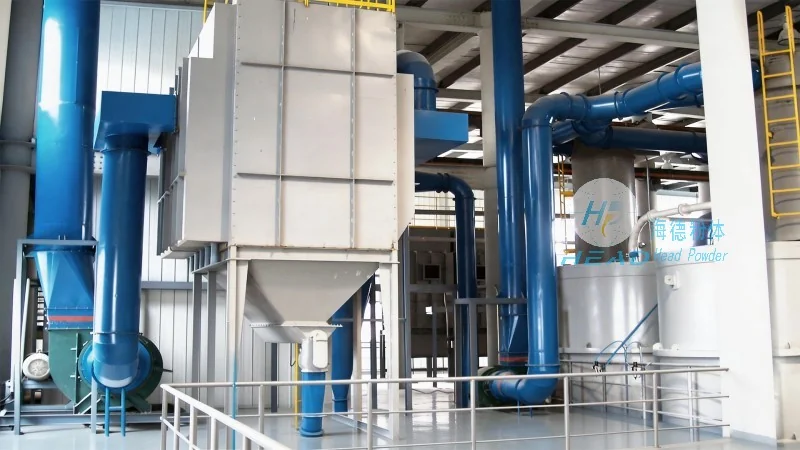
Effective pressure and air flow management is crucial for maintaining the stability and efficiency of a cobalt hydroxide pneumatic conveying system. The system must be designed to handle the required pressure differentials, which can vary significantly based on the conveying distance and material properties. High-pressure systems may be necessary for long-distance transport, while low-pressure systems are suitable for shorter runs. Air flow rates must be precisely controlled to ensure that the material is fully suspended and transported without excessive energy consumption. This involves calculating the necessary air velocity based on the material's terminal velocity and the conveying line's diameter. Proper pressure regulation and flow control valves are essential to maintain consistent performance under varying load conditions. Monitoring systems, such as pressure transducers and flow meters, should be integrated to provide real-time data on system performance, allowing for immediate adjustments if deviations occur.
Safety and Environmental Considerations
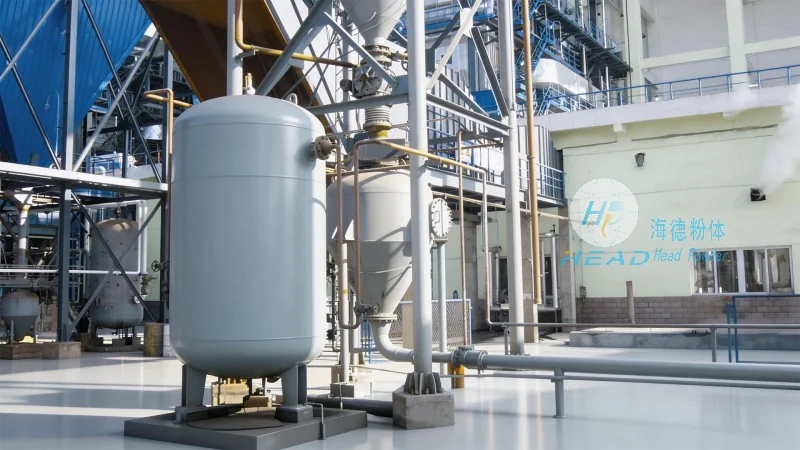
Safety and environmental compliance are paramount when designing a cobalt hydroxide pneumatic conveying system. Cobalt hydroxide is a hazardous material due to its potential toxicity and reactivity. The system must be equipped with appropriate safety features, including explosion-proof components, dust collection systems, and emergency shutdown mechanisms. Proper ventilation and dust suppression measures are critical to prevent dust accumulation and minimize the risk of fire or explosion. Environmental regulations must also be considered, as the system should minimize emissions and ensure compliance with local air quality standards. The design should incorporate features such as closed-loop systems to reduce waste and improve material recovery. Regular maintenance and inspection schedules are essential to ensure that all safety devices are functioning correctly and that the system operates within safe parameters.
Integration with Downstream Processes
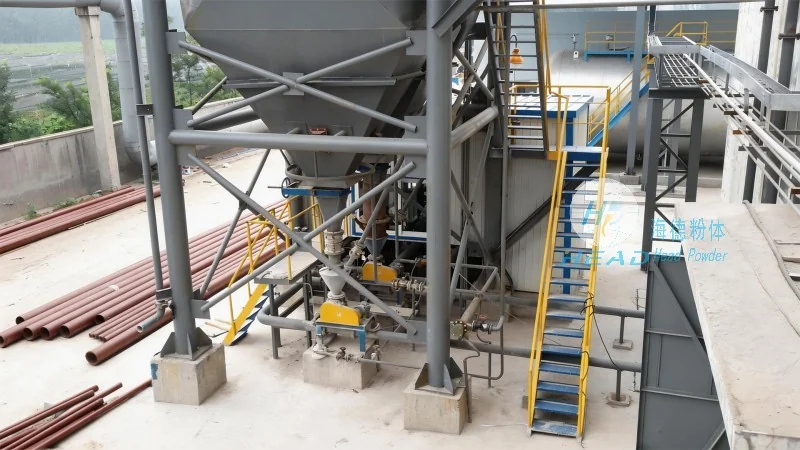
The pneumatic conveying system of cobalt hydroxide should be seamlessly integrated with downstream processes to ensure smooth material transfer and processing. This involves coordinating with the receiving equipment, such as storage silos or processing units, to maintain consistent flow rates and prevent material buildup or spills. The system design should account for the capacity and operational requirements of the downstream processes, ensuring that the conveying rate matches the processing speed. Proper sealing and connection points are necessary to prevent material leakage and contamination. Additionally, the system should include monitoring and control interfaces that allow for remote operation and data logging, enhancing operational efficiency and facilitating troubleshooting. By integrating the conveying system with downstream processes, the overall production line can achieve higher throughput and lower operational costs.
Case Study: Successful Implementation by Shandong HeadPowder Engineering Co., Ltd.
Shandong HeadPowder Engineering Co., Ltd., a leading provider of material handling solutions, has successfully implemented a cobalt hydroxide pneumatic conveying system for a major battery material manufacturer. The project involved designing a dilute phase system with a conveying distance of 150 meters, handling a material with a particle size range of 10-200 microns and a moisture content of 2%. The system was equipped with stainless steel components, a rotary valve feeder, and advanced pressure control systems. The design team at HeadPowder carefully evaluated the material properties and flow characteristics to optimize the air velocity and pressure differentials. The resulting system achieved a conveying efficiency of over 95%, with minimal material degradation and low energy consumption. The project demonstrated the effectiveness of the design considerations outlined above, highlighting the importance of material understanding, system configuration, and component selection in achieving successful pneumatic conveying operations. The client reported significant improvements in production throughput and reduced maintenance costs, underscoring the value of a well-designed system.




