For industrial facilities dealing with cement clinker, the efficient and reliable transportation of this bulk material is a critical operational requirement. Pneumatic conveying systems offer a robust solution, enabling the movement of clinker from storage silos or production lines to processing units without the need for mechanical components like conveyor belts or buckets. However, the design of such systems requires careful consideration of multiple factors to ensure optimal performance, safety, and longevity. This article outlines key design considerations for cement clinker pneumatic conveying systems, with a focus on practical implementation and operational efficiency.
Material Characteristics and System Sizing
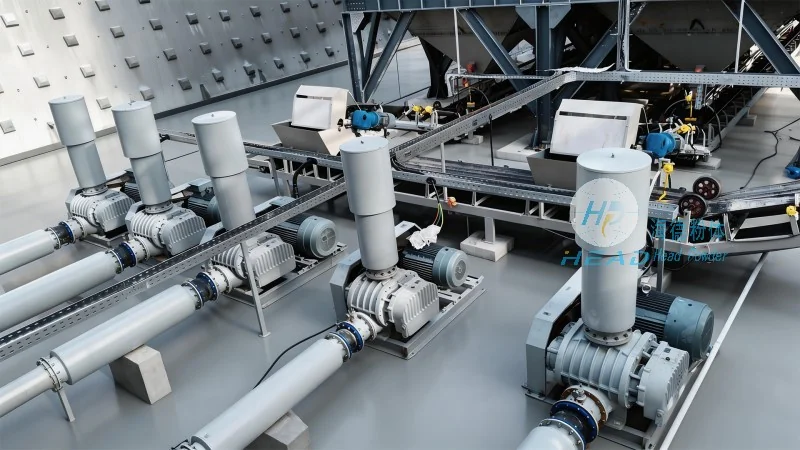
The first step in designing a cement clinker pneumatic conveying system is to analyze the physical and chemical properties of the material. Cement clinker is typically a fine to medium-grained powder with a specific gravity ranging from 3.0 to 3.2. Its particle size distribution, moisture content, and flowability are crucial parameters that influence system design. For instance, finer particles may require higher air velocities to prevent blockages, while higher moisture content can lead to material agglomeration, necessitating additional drying or conditioning steps. The system's capacity, measured in tons per hour (tph), must be matched to the production rate and storage capacity of the facility. HeadPowder, a leading engineering firm based in Shandong, China, emphasizes that accurate material characterization is essential to avoid under or over-sizing the conveying equipment, which can result in energy inefficiencies or system failures.
Conveying Method Selection: Dilute Phase vs. Dense Phase
Two primary conveying methods are commonly used in cement clinker systems: dilute phase and dense phase. Dilute phase systems operate at high air velocities (typically 20-30 m/s) and low material-to-air ratios, where the material is suspended in the air stream. This method is suitable for short to medium distances (up to 100 meters) and is generally more energy-efficient for transporting fine powders. Dense phase systems, on the other hand, use lower air velocities (5-15 m/s) and higher material-to-air ratios, where the material is conveyed in a slurry-like state. Dense phase is ideal for longer distances (up to 500 meters) and for handling coarser or more abrasive materials, as it reduces wear on components and minimizes material degradation. The choice between these methods depends on the specific application, distance, and material characteristics. HeadPowder engineers recommend conducting a feasibility study to determine the most suitable method, considering factors such as energy consumption, equipment cost, and maintenance requirements.
System Layout and Component Integration
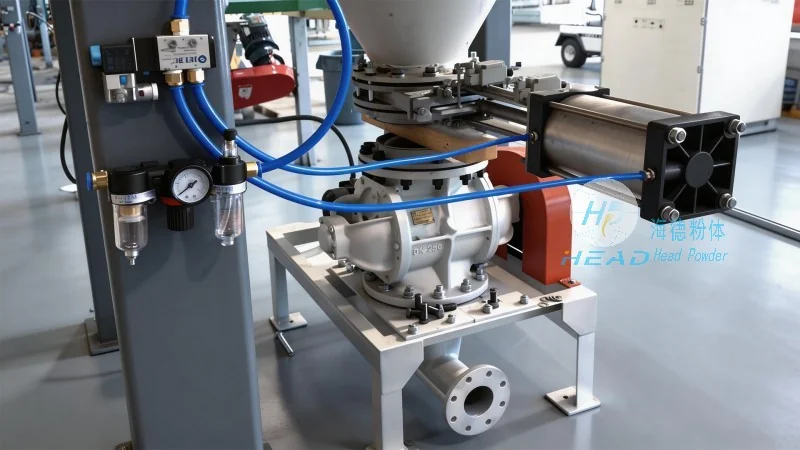
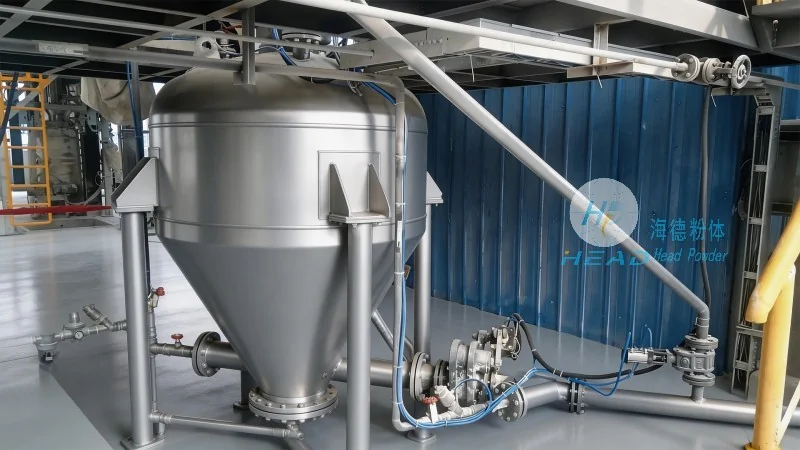
The layout of a cement clinker pneumatic conveying system must be carefully planned to ensure smooth material flow and minimize pressure losses. Key components include the hopper, feeder, air compressor, pipeline, and receiver. The hopper should be designed with a conical bottom to facilitate uniform material discharge and prevent bridging. The feeder, often a rotary valve or a screw feeder, must be capable of handling the clinker's flow characteristics without causing blockages or excessive wear. The air compressor, typically a positive displacement or centrifugal type, must provide sufficient pressure and airflow to meet the system's demand. The pipeline design, including the use of bends, elbows, and expansion joints, is critical to maintain consistent pressure and prevent material deposition. The receiver, where the clinker is deposited, should be equipped with a dust collection system to comply with environmental regulations. HeadPowder's design team emphasizes the importance of integrating these components in a cohesive layout to optimize system performance and reduce operational downtime.
Material Handling and Wear Management
Cement clinker is an abrasive material, which can cause significant wear on system components over time. Proper wear management is essential to extend the system's lifespan and maintain efficiency. Components such as the hopper, feeder, and pipeline are particularly susceptible to wear from the clinker's impact and abrasion. Using high-quality materials like stainless steel, alloy steel, or wear-resistant coatings can mitigate this issue. For example, the hopper and feeder may be lined with rubber or polyurethane to reduce friction and wear. The pipeline, especially in dense phase systems, may require thicker walls or reinforced sections to withstand the higher pressure and material impact. Regular maintenance, including inspections and component replacement, is also crucial to prevent unexpected failures. HeadPowder recommends implementing a preventive maintenance schedule and using advanced monitoring systems to detect wear and tear early, thereby reducing costly repairs and ensuring consistent system performance.
Environmental and Safety Considerations
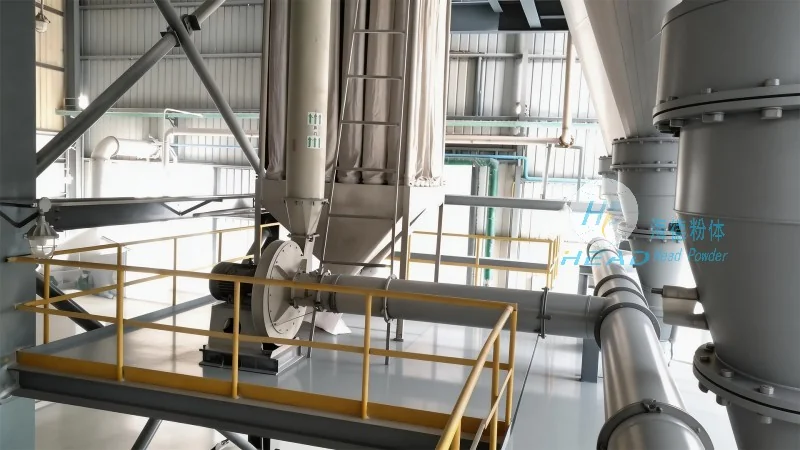
Environmental compliance and workplace safety are paramount when designing cement clinker pneumatic conveying systems. The system must be equipped with dust collection and filtration systems to prevent air pollution and protect workers from inhalation hazards. The air compressor and other mechanical components should be enclosed or soundproofed to minimize noise pollution. Additionally, the system must be designed to prevent material leakage and spills, which can cause environmental contamination and safety risks. Safety features such as pressure relief valves, emergency shut-off systems, and interlocks are essential to protect personnel and equipment. HeadPowder adheres to strict environmental and safety standards, ensuring that all systems are compliant with local regulations and industry best practices. The company's commitment to sustainability and safety is reflected in its design philosophy, which prioritizes environmentally friendly solutions and robust safety measures.
Energy Efficiency and Operational Costs
Energy consumption is a significant operational cost for cement clinker pneumatic conveying systems. Optimizing energy use is therefore a key design consideration. The choice of air compressor type, system pressure, and material flow rate all impact energy efficiency. For instance, variable frequency drives (VFDs) can be used to adjust the compressor speed based on the system's demand, reducing energy waste during low-load periods. The system's layout should minimize pressure losses by using straight pipelines and avoiding unnecessary bends or fittings. Additionally, regular maintenance and cleaning of components can prevent clogging and reduce energy consumption. HeadPowder's engineers employ advanced simulation tools to model system performance and identify opportunities for energy savings. By focusing on energy efficiency, the company helps clients reduce operational costs while minimizing their environmental footprint.
Conclusion and Recommendations
Designing a cement clinker pneumatic conveying system requires a comprehensive approach that considers material properties, conveying methods, system layout, wear management, environmental safety, and energy efficiency. Each of these factors plays a critical role in ensuring the system operates reliably and cost-effectively. HeadPowder Engineering Co., Ltd., with its headquarters in Shandong, China, offers expert design and engineering services tailored to the unique needs of cement plants. The company's commitment to quality, innovation, and customer satisfaction has made it a trusted partner for facilities worldwide. By adhering to the design considerations outlined in this article, cement plants can achieve efficient material handling, reduced operational costs, and enhanced safety, ultimately improving their overall productivity and competitiveness.




