HeadPowder, a leading engineering company based in Shandong, China, specializes in the design, manufacturing, and implementation of low-pressure pneumatic conveying systems. These systems are essential for efficient material handling in various industrial sectors, offering a reliable and flexible solution for transporting bulk materials.
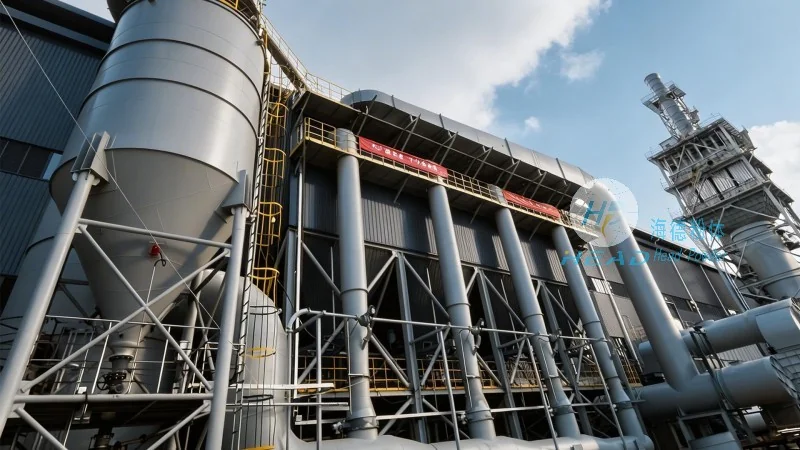
Principles of Low-Pressure Pneumatic Conveying Systems
Low-pressure pneumatic conveying systems operate on the fundamental principle of using air to move bulk materials through a pipeline network. Unlike high-pressure systems, which rely on high velocity air to transport materials, low-pressure systems utilize lower air velocities and pressures, typically ranging from 0.5 to 1.5 bar. This approach is particularly effective for materials that are sensitive to high velocities or require gentle handling. The system consists of several key components, including a blower, a hopper for material storage, a conveying line, and a receiver for the discharged material. The blower generates the necessary airflow, which draws material from the hopper into the conveying line. The material is then carried through the pipeline by the air stream, and the air and material mixture is separated at the receiver, where the material is collected and the air is either recirculated or vented. The low-pressure operation ensures that the material is transported gently, minimizing particle breakage and maintaining the integrity of the material's physical properties. This is crucial for applications where the material's quality is paramount, such as in pharmaceutical manufacturing, where the purity and consistency of the product are critical.
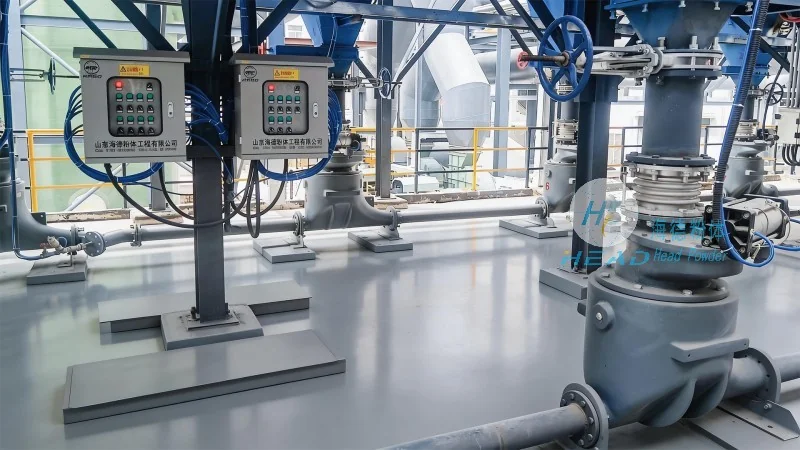
Key Characteristics and Application Scenarios
Low-pressure pneumatic conveying systems are characterized by their ability to handle a wide range of materials, from fine powders to granular solids, with minimal degradation or segregation. The gentle handling ensures that the material's properties, such as particle size distribution and moisture content, remain intact. This makes the system suitable for applications where material quality is critical, such as in pharmaceuticals, food processing, and chemical industries. Another significant advantage is the system's flexibility in terms of layout and integration. The conveying lines can be easily configured to follow the existing plant layout, allowing for seamless integration with existing equipment and processes. This adaptability reduces installation time and costs, making it an attractive option for both new and retrofit projects. The system also offers high material throughput, capable of handling large volumes of material efficiently. This is particularly beneficial in industries that require continuous material flow, such as in cement production or mineral processing, where the system can maintain a consistent supply of raw materials to the production line.
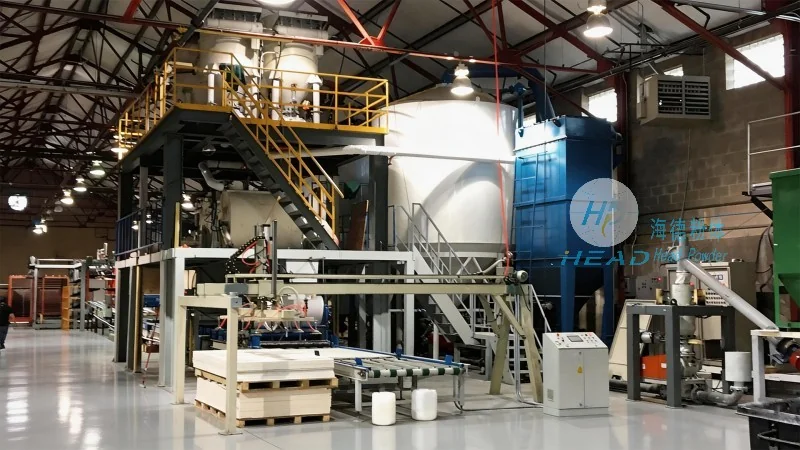
Advantages in Industrial Applications
One of the primary advantages of low-pressure pneumatic conveying is its ability to handle long conveying distances without significant pressure losses. The system's design allows for efficient material transport over distances of several hundred meters, making it suitable for large-scale industrial facilities. Additionally, the system is relatively low maintenance compared to other material handling methods, as it has fewer moving parts and less wear on components. This results in lower operational costs and increased reliability over time. The low-pressure operation also reduces the risk of material degradation due to high air velocities, which is particularly important for heat-sensitive or fragile materials. For example, in the food industry, low-pressure systems can be used to transport flour, sugar, or other food powders without compromising their quality or safety. Similarly, in the chemical industry, these systems can handle reactive or hazardous materials with minimal risk of contamination or explosion. The system's ability to handle abrasive materials is another key feature, as the low-pressure design reduces the wear on the pipeline and components, extending their service life. This is especially important for industries dealing with materials like cement, coal, or minerals, which can be harsh on equipment.
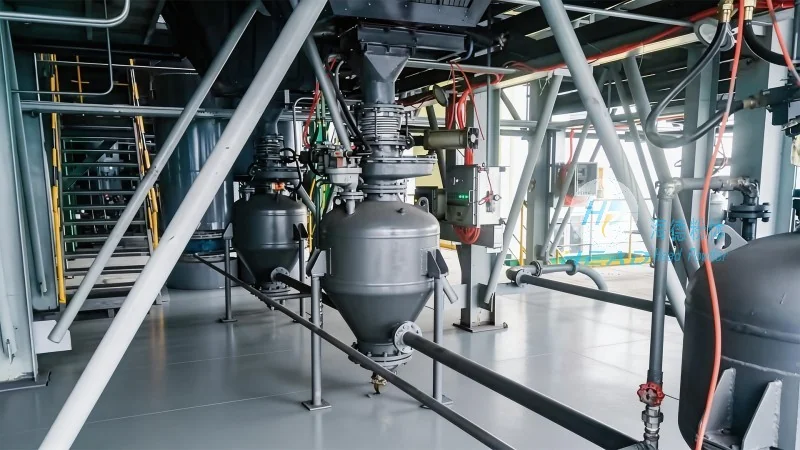
Integration and Customization
HeadPowder provides comprehensive solutions for low-pressure pneumatic conveying systems, tailored to meet the specific needs of each client. The company's engineers work closely with clients to understand their operational requirements, material characteristics, and plant layout, ensuring that the system is designed for optimal performance and efficiency. Customization options include different blower types, material hopper designs, and conveying line configurations to accommodate various material types and application scenarios. The company also offers installation and commissioning services, ensuring that the system is properly integrated and operates as intended. This comprehensive approach helps clients achieve their material handling goals while minimizing downtime and operational costs. The low-pressure pneumatic conveying systems from HeadPowder are designed to be durable and reliable, with components that are built to withstand the rigors of industrial use. The use of high-quality materials and advanced manufacturing techniques ensures that the systems have a long service life, reducing the need for frequent replacements or repairs. This not only saves costs but also ensures consistent performance over time.




