PVA-Formaldehyde, a polymer widely utilized across various industrial sectors, often necessitates efficient and reliable material handling solutions. Pneumatic conveying systems present an excellent method for transporting this material, ensuring safety, cleanliness, and operational efficiency. This article delves into the fundamental principles behind PVA-Formaldehyde pneumatic conveying and highlights key application scenarios where such systems excel.
Understanding the Core Principles of Pneumatic Conveying
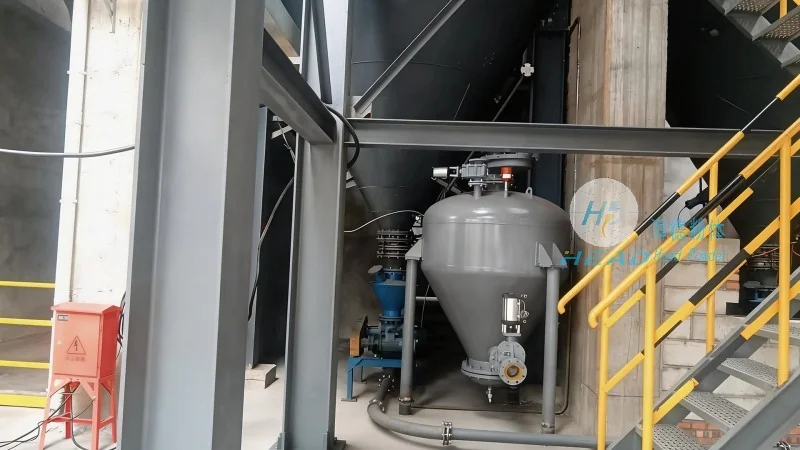
The principle of pneumatic conveying involves transporting bulk materials through a pipeline using a gas stream, typically air. In the context of PVA-Formaldehyde, the system operates by creating a pressure differential or utilizing vacuum to move the material from a source to a destination. The process can be categorized into two main types: pressure and vacuum systems. Pressure systems employ compressed air to push the material, while vacuum systems utilize a vacuum to pull it. For PVA-Formaldehyde, which may have specific handling requirements due to its properties, the choice of system depends on factors such as material flow rate, distance, and the need for dust control. The design of the conveying line—including the selection of appropriate pipe diameters, bends, and filters—is critical to ensure smooth operation and prevent material degradation or blockages.
Key Application Scenarios for PVA-Formaldehyde Pneumatic Conveying
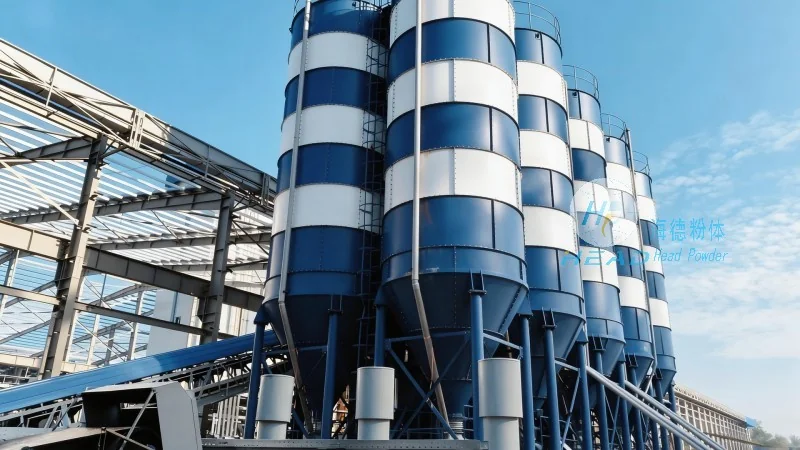
PVA-Formaldehyde pneumatic conveying is employed in diverse industrial settings, each with unique operational demands. One common application is in the manufacturing of adhesives and coatings, where precise control over material consistency is essential. The system allows for seamless integration into production lines, enabling continuous feeding of PVA-Formaldehyde to mixing or processing units. Another significant application is in the production of textiles and non-woven fabrics, where the material is used as a binder or additive. Here, the pneumatic conveying system ensures that the PVA-Formaldehyde is delivered uniformly to the production machinery, maintaining product quality and reducing downtime. Additionally, in the construction and building materials industry, PVA-Formaldehyde is used as a component in cement additives or waterproofing agents. The pneumatic conveying system facilitates the efficient transport of these materials from storage to mixing plants, enhancing overall production efficiency. Each of these scenarios benefits from the ability of pneumatic conveying to handle PVA-Formaldehyde in a controlled, dust-free environment, minimizing health and safety risks associated with handling powders.
Advantages of PVA-Formaldehyde Pneumatic Conveying Systems
Implementing a pneumatic conveying system for PVA-Formaldehyde offers several advantages over traditional methods like bucket elevators or belt conveyors. Firstly, it provides a closed system, which is crucial for maintaining product purity and preventing contamination. This is particularly important for PVA-Formaldehyde, as it is sensitive to moisture and other environmental factors. Secondly, the system reduces labor costs and operational complexity, as it eliminates the need for manual handling and reduces the risk of material spillage. Thirdly, pneumatic conveying systems are highly flexible, allowing for easy integration with existing production lines and the ability to adjust flow rates as needed. The energy efficiency of these systems also contributes to lower operational costs, making them a cost-effective solution for long-term use. Furthermore, the ability to handle PVA-Formaldehyde in a dust-free environment enhances workplace safety, reducing the risk of respiratory issues and other health hazards associated with powder handling.
Company Overview: Shandong HeadPowder Engineering Co., Ltd.
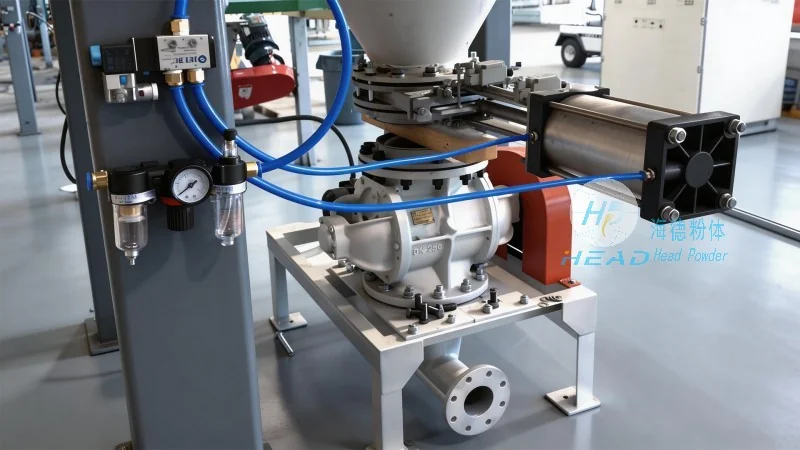
Shandong HeadPowder Engineering Co., Ltd., operating under the brand name HeadPowder, specializes in the design, manufacturing, and installation of advanced material handling systems, including pneumatic conveying solutions for PVA-Formaldehyde and other industrial materials. With a strong commitment to quality and innovation, the company has established itself as a leading provider in the industry. HeadPowder's expertise lies in tailoring pneumatic conveying systems to meet the specific needs of clients, ensuring optimal performance and reliability. The company's facilities are located in Shandong, China, where it leverages local resources and expertise to deliver high-quality products and services. By focusing on customer satisfaction and technological advancement, HeadPowder continues to serve a wide range of industries, helping them achieve their operational goals efficiently and safely.




