Zinc calcine, a vital intermediate product in the zinc smelting industry, requires efficient and reliable transportation to maintain smooth production flow. Pneumatic conveying, as a key technology for handling bulk materials like zinc calcine, offers advantages such as dust-free operation, reduced material degradation, and flexible system design. This article explores the operation process and working principles of zinc calcine pneumatic conveying systems, highlighting technical aspects and practical applications.
Key Components of Pneumatic Conveying Systems
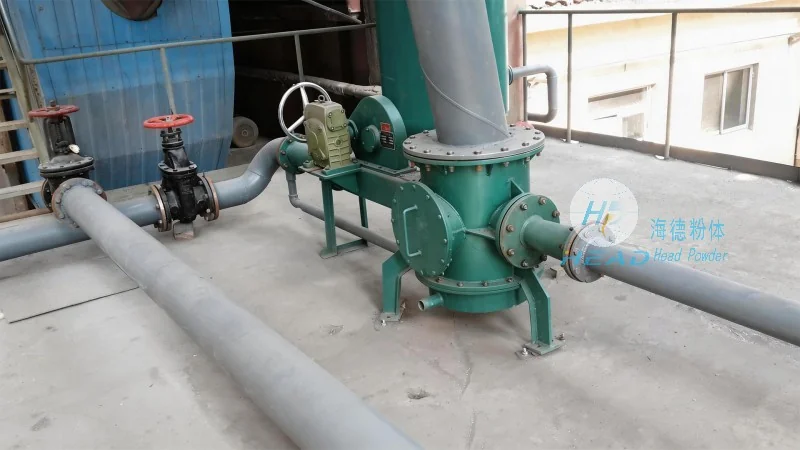
At the core of any pneumatic conveying system are several essential components that work in tandem to transport zinc calcine. The primary components include the material feed hopper, which stores and feeds the calcine into the system; the air compressor or blower, which generates the necessary airflow to move the material; the conveying pipeline, which transports the calcine and air mixture; and the receiver or discharge hopper, where the material is collected after transport. Each component plays a crucial role in maintaining the efficiency and stability of the conveying process.
Working Principle of Zinc Calcine Pneumatic Conveying
The working principle of pneumatic conveying for zinc calcine is based on using air as the conveying medium. The process typically involves the following steps: first, zinc calcine is fed from the storage hopper into the conveying pipeline via a rotary valve or feeder. Simultaneously, the air compressor supplies compressed air to the pipeline, creating a pressure differential that propels the calcine particles forward. As the air and calcine mixture travels through the pipeline, the particles are suspended and carried by the airflow. The velocity of the air is critical, as it must be sufficient to keep the calcine particles in suspension but not so high as to cause excessive wear on the pipeline or equipment. The system may use either positive pressure (pressure conveying) or negative pressure (vacuum conveying), depending on the application and distance of transport. Positive pressure systems are commonly used for long-distance or high-capacity conveying, while negative pressure systems are suitable for short-distance or dusty environments.
Operation Process of Zinc Calcine Pneumatic Conveying
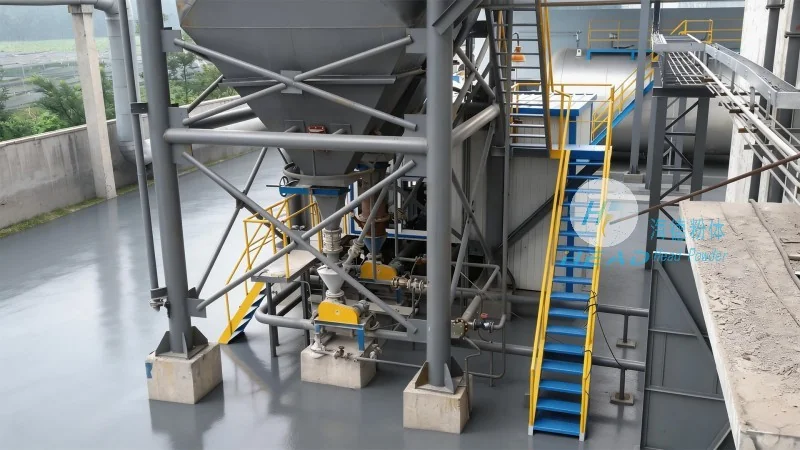
The operation process of a zinc calcine pneumatic conveying system involves several stages, each requiring precise control to ensure optimal performance. The initial stage is the material loading, where zinc calcine is fed from the storage silo into the feed hopper. The feed hopper is equipped with a level sensor to monitor the material level and a rotary valve to control the flow rate. The second stage is the air supply, where the air compressor or blower provides the required airflow. The airflow rate is adjusted based on the material characteristics, such as particle size, density, and moisture content, to maintain a stable conveying velocity. The third stage is the conveying itself, where the calcine particles are transported through the pipeline to the receiver. The pipeline is designed with appropriate bends and fittings to minimize pressure loss and maintain the flow. The final stage is the material discharge, where the calcine is collected in the receiver hopper and then transferred to the next processing step. During operation, the system continuously monitors key parameters such as pressure, airflow, and material flow rate to detect any deviations and adjust the process accordingly. Regular maintenance, including cleaning of the pipeline and replacement of worn parts, is essential to prevent blockages and ensure long-term reliability.
Advantages of Pneumatic Conveying for Zinc Calcine
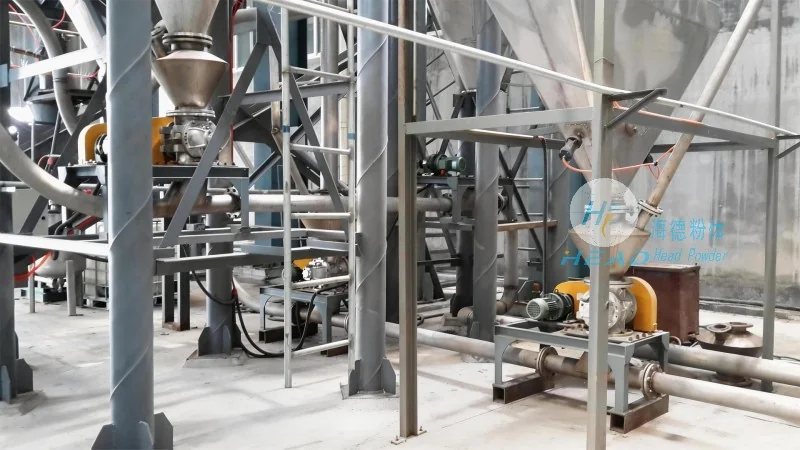
Pneumatic conveying offers several advantages over traditional methods like belt conveyors or bucket elevators for transporting zinc calcine. One of the primary benefits is the ability to handle dusty materials without generating significant airborne dust, which improves workplace safety and reduces environmental impact. Additionally, pneumatic systems can transport materials over long distances with minimal energy consumption compared to other methods. The flexible design of pneumatic conveying allows for easy integration with existing production lines and adaptation to changing production demands. Furthermore, the system can handle a wide range of material characteristics, including varying particle sizes and moisture content, without compromising performance. These advantages make pneumatic conveying an ideal choice for zinc calcine transportation in modern smelting plants.
Applications and Case Studies
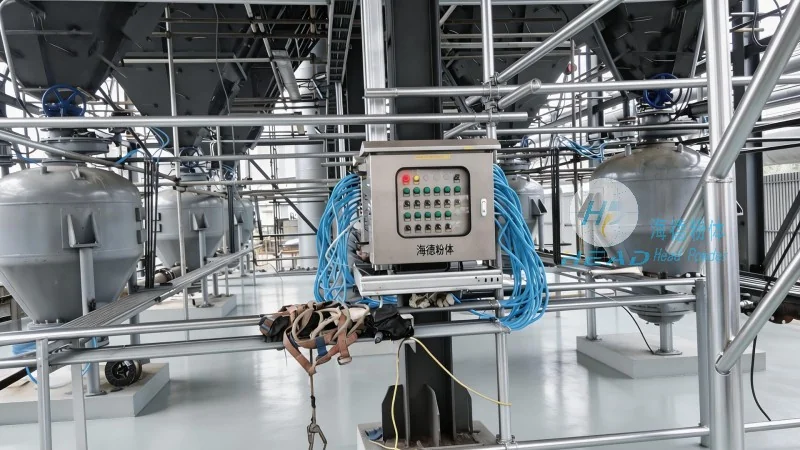
Zinc calcine pneumatic conveying systems are widely used in the zinc smelting industry, particularly in plants that process zinc ore into zinc calcine and then further refine it into zinc metal. The systems are commonly employed to transport calcine from the calcination furnace to the leaching or filtration units, where it is processed to extract zinc. In some cases, the systems are used to transport calcine between different processing stages within the plant, such as from the calcination area to the storage silos or from the storage silos to the leaching reactors. A case study from a zinc smelting plant in Shandong, China, demonstrates the successful implementation of a pneumatic conveying system for zinc calcine. The plant, operated by Shandong HeadPowder Engineering Co., Ltd., installed a positive pressure pneumatic conveying system to transport calcine from the calcination furnace to the leaching unit. The system was designed to handle a capacity of 100 tons per hour and a distance of 200 meters. The system has been in operation for over two years, achieving high reliability and low maintenance costs. The plant reported a significant reduction in dust emissions and improved material handling efficiency compared to traditional methods.
Conclusion
Zinc calcine pneumatic conveying is a critical technology in the zinc smelting industry, providing efficient and reliable transportation of bulk materials. The operation process involves precise control of material feed, air supply, and conveying parameters, while the working principle relies on the use of air as the conveying medium. The advantages of pneumatic conveying, including dust-free operation and flexible system design, make it an ideal choice for modern zinc smelting plants. As the demand for zinc continues to grow, the importance of efficient material handling systems like pneumatic conveying will only increase. Shandong HeadPowder Engineering Co., Ltd., a leading provider of pneumatic conveying solutions, offers advanced systems tailored to the specific needs of zinc smelting plants, ensuring optimal performance and long-term reliability.




