For industries dealing with diatomite, efficient material handling is crucial. Diatomite, a natural sedimentary rock composed of fossilized diatoms, is widely used in filtration, insulation, and other industrial applications. Pneumatic conveying systems offer a reliable and effective method for transporting diatomite, ensuring minimal dust generation and optimal process control. This article explores the operation process and working principles of diatomite pneumatic conveying, highlighting key components and the technical expertise of Shandong HeadPowder Engineering Co., Ltd., a leading provider in the field.
Key Components of Diatomite Pneumatic Conveying Systems
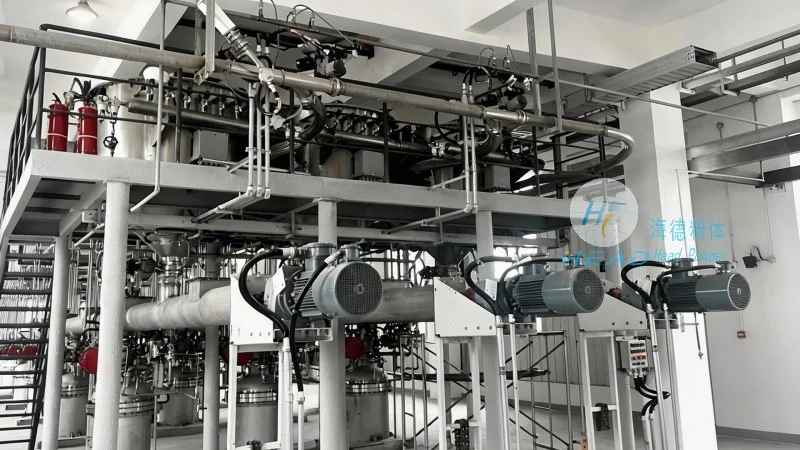
A typical diatomite pneumatic conveying system consists of several critical components that work in tandem to ensure smooth operation. The primary elements include the material feed hopper, air compressor or vacuum pump, conveying line (often flexible or rigid), separation equipment, and discharge hopper. The feed hopper is designed to store and regulate the flow of diatomite, preventing blockages and maintaining consistent feed rates. The air compressor or vacuum pump generates the necessary pressure or vacuum to move the material through the conveying line. The conveying line, made from materials resistant to abrasion and corrosion, transports the diatomite from the feed point to the discharge point. Separation equipment, such as cyclones or filters, removes excess air and any fine particles from the material stream, ensuring the diatomite is delivered in a clean and dry state. The discharge hopper collects the processed diatomite, ready for further processing or packaging.
Operation Process of Diatomite Pneumatic Conveying
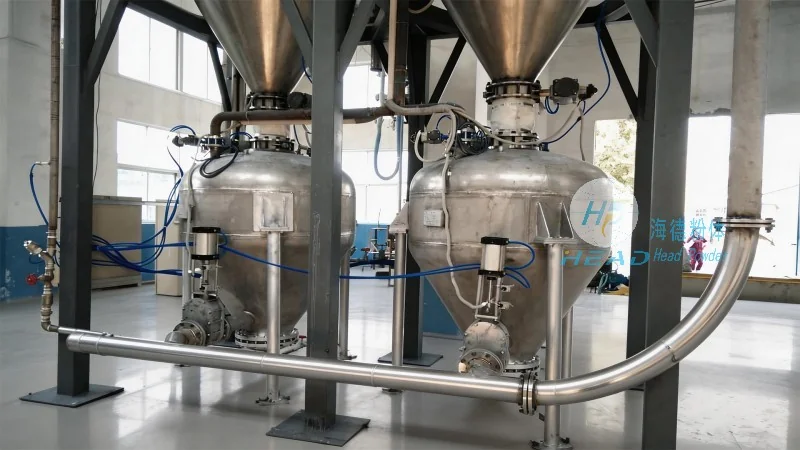
The operation process of a diatomite pneumatic conveying system involves several sequential steps, each critical to the overall efficiency and effectiveness of the system. The process begins with the loading of diatomite into the feed hopper. The hopper is equipped with a feeding mechanism, such as a rotary valve or screw feeder, which controls the flow rate of the material into the conveying line. Simultaneously, the air compressor or vacuum pump starts operating, generating the required pressure or vacuum. The air is then introduced into the conveying line, creating a flow that pulls or pushes the diatomite particles along the line. As the diatomite travels through the conveying line, it may encounter bends or changes in direction, which are designed to minimize material degradation and maintain the integrity of the particles. Upon reaching the discharge point, the material is directed into the separation equipment. The separation equipment uses centrifugal force or filtration to separate the diatomite from the air stream, allowing the diatomite to fall into the discharge hopper while the air is either recirculated or vented. The entire process is typically automated, with sensors and control systems monitoring parameters such as pressure, flow rate, and material level to ensure optimal performance. This automated operation reduces the need for manual intervention, minimizing downtime and improving overall productivity.
Working Principles of Diatomite Pneumatic Conveying
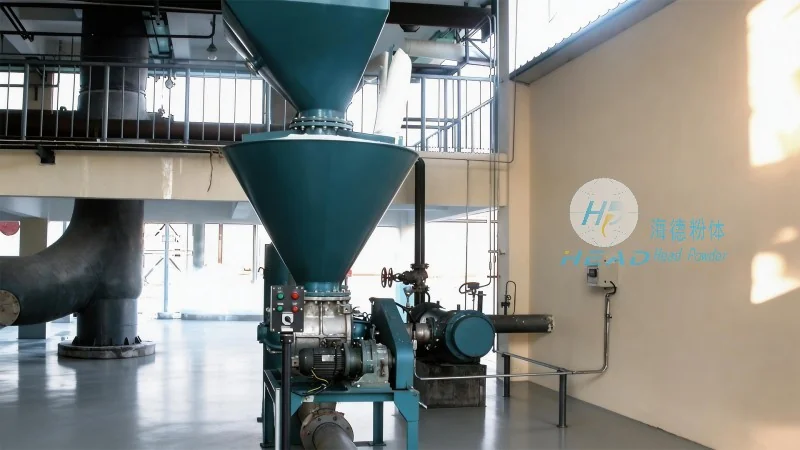
The working principles of diatomite pneumatic conveying systems are based on the fundamental physics of fluid dynamics and particle transport. There are two main types of pneumatic conveying systems: pressure and vacuum. In pressure systems, the air compressor generates high-pressure air that is introduced into the conveying line at the feed point. The high-pressure air creates a flow that propels the diatomite particles through the line. The pressure is maintained throughout the system, ensuring consistent material transport. In vacuum systems, a vacuum pump creates a low-pressure environment at the discharge point, drawing the diatomite particles from the feed point through the conveying line. The vacuum is maintained at the discharge end, pulling the material along the line. The choice between pressure and vacuum systems depends on factors such as the distance to be covered, the material characteristics, and the desired flow rate. For diatomite, which is a fine, light material, both systems can be effective, but pressure systems are often preferred for longer distances or when dealing with larger quantities of material. The working principle also involves the concept of "slug flow," where the diatomite particles are carried in discrete slugs of material separated by air pockets. This flow pattern is efficient for transporting fine powders like diatomite, as it minimizes particle-particle and particle-wall interactions, reducing wear and tear on the conveying line and equipment. Additionally, the system's design considers the specific properties of diatomite, such as its low bulk density and high dust propensity. The conveying line is often equipped with special coatings or liners to prevent abrasion, and the separation equipment is designed to handle fine particles effectively, ensuring that the diatomite is delivered in a clean and dry state. The working principles also involve the use of control systems to regulate the flow of air and material, maintaining consistent pressure or vacuum levels and preventing overloading or underloading of the system. These control systems ensure that the diatomite is transported at the optimal rate, minimizing energy consumption and maximizing efficiency.




