Potash fertilizer, a critical nutrient for modern agriculture, requires efficient and reliable transportation methods to ensure optimal application and distribution. Pneumatic conveying systems have emerged as a preferred solution for handling potash due to their ability to maintain the material's quality while minimizing operational risks. These systems utilize air as the primary medium to move the fertilizer, offering a dust-free and enclosed process that enhances safety and reduces environmental impact. The operation of potash fertilizer pneumatic conveying systems involves a series of interconnected components that work in harmony to achieve seamless material transfer. Understanding the operation process and working principles of such systems is crucial for optimizing their performance and ensuring long-term reliability.
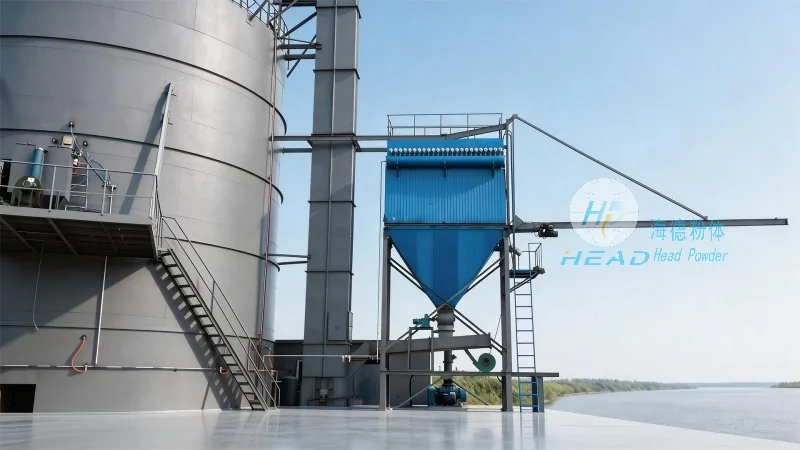
Key Components of a Potash Fertilizer Pneumatic Conveying System
The effectiveness of a potash fertilizer pneumatic conveying system depends on the integration of several key components. The storage hopper or silo is the initial point of material collection, where potash is stored before being fed into the system. The feeder, typically a rotary valve or screw conveyor, regulates the flow rate to maintain consistent pressure and prevent overloading the conveying line. The conveying line, constructed from stainless steel or other corrosion-resistant materials, is designed to withstand the abrasive nature of potash and resist chemical degradation. The blower or air compressor provides the necessary air pressure to generate the conveying force, with adjustable settings to accommodate varying material characteristics. The receiver or discharge hopper collects the conveyed potash, completing the material transfer process. Each component is carefully selected to ensure compatibility with potash's physical and chemical properties, ensuring the system operates efficiently and maintains the material's integrity.
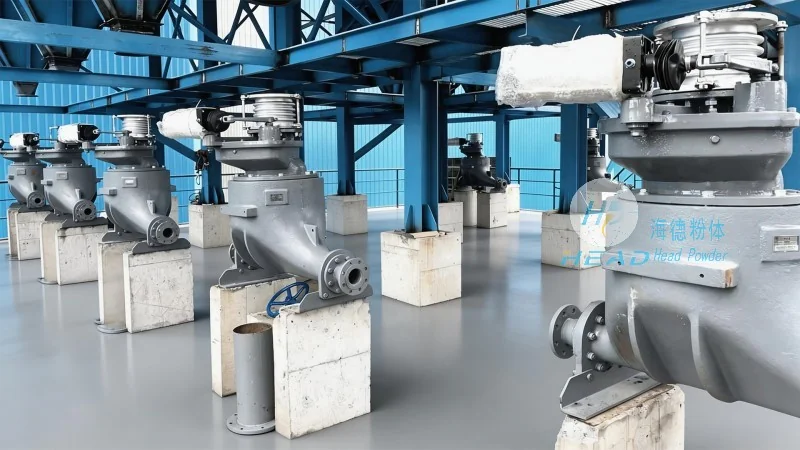
The Operation Process of Potash Fertilizer Pneumatic Conveying
The operation process of a potash fertilizer pneumatic conveying system begins with the material being discharged from the storage hopper into the feeder. The feeder controls the flow rate, ensuring a steady supply of potash to the conveying line. Simultaneously, the blower starts and generates a flow of air that travels through the conveying line, creating a negative pressure that pulls the potash particles along with the air stream. As the mixture moves through the system, it passes through any necessary processing steps, such as filtration or drying, to remove moisture or impurities. The air-potash mixture then reaches the receiver, where the air is separated from the material and either recirculated or vented. The potash is then discharged into the next processing stage or packaging area. The system is designed to handle varying flow rates and material characteristics, with adjustable controls to maintain optimal performance. The operation is typically automated, with sensors monitoring pressure, flow, and material levels to ensure continuous and efficient operation.
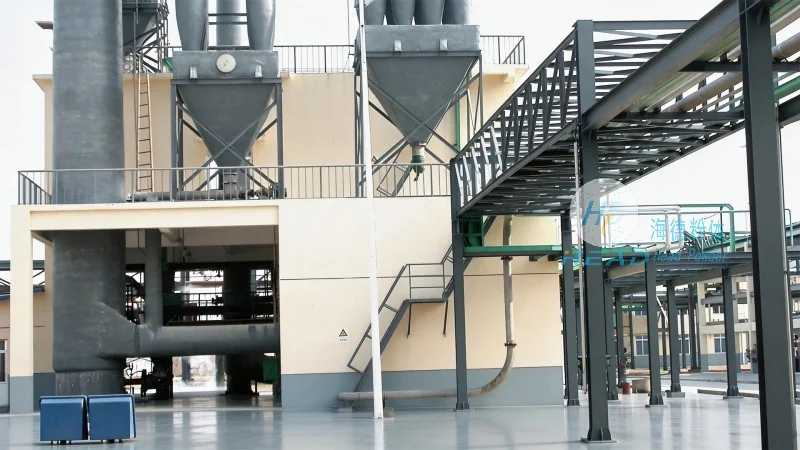
Working Principle of Potash Fertilizer Pneumatic Conveying
The working principle of a potash fertilizer pneumatic conveying system is based on the principle of fluidization and air movement. The system operates by creating a pressure differential between the inlet and outlet of the conveying line. In the negative pressure mode, the blower draws air through the system, creating a vacuum that pulls the potash particles along with the air stream. This mode is preferred for potash as it reduces dust generation and maintains a cleaner environment. The air flow rate is carefully controlled to ensure that the potash particles are fully entrained, preventing separation or clogging. The system's efficiency depends on the balance between air velocity and material feed rate, with higher air velocities required for larger or more abrasive particles. The use of positive pressure mode is less common for potash due to the risk of dust dispersion, but it may be used in certain applications where higher pressure is needed. The working principle ensures that the potash is conveyed without degradation, maintaining its quality for agricultural use.
Benefits of Using Potash Fertilizer Pneumatic Conveying Systems
Implementing a potash fertilizer pneumatic conveying system offers numerous benefits for agricultural and industrial operations. One of the primary advantages is the dust-free and enclosed environment, which enhances worker safety and reduces the risk of contamination. The system minimizes material handling losses, as the potash is transferred without manual handling or spillage. This leads to improved product quality and reduced waste. Additionally, the enclosed design prevents the potash from coming into contact with moisture or contaminants from the environment, reducing the risk of caking or clumping. The system is highly energy-efficient, with lower operational costs compared to traditional methods like belt conveyors or bucket elevators. The flexibility of pneumatic conveying systems allows for easy integration with existing production lines, enabling scalability and adaptability to changing production needs. The durability of the components, made from corrosion-resistant materials, ensures long-term reliability and reduces maintenance costs, making it a cost-effective solution for long-term use.
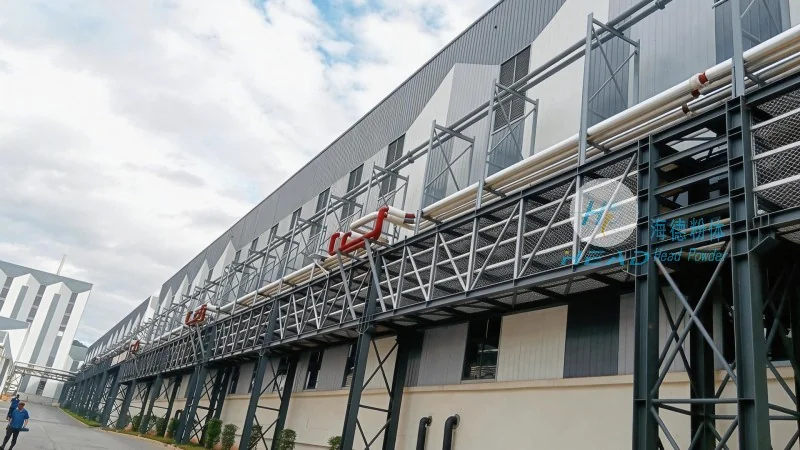
Company Profile: Shandong HeadPowder Engineering Co., Ltd.
Shandong HeadPowder Engineering Co., Ltd., operating under the brand name headpowder, is a leading engineering company specializing in the design and manufacturing of fertilizer handling systems. With a strong focus on innovation and customer-centric solutions, HeadPowder has established itself as a trusted partner in the agricultural industry. The company's expertise lies in the development of customized potash fertilizer pneumatic conveying systems that meet the specific requirements of clients, ranging from small-scale farms to large industrial facilities. HeadPowder's team of experienced engineers and technicians work closely with clients to understand their operational challenges and develop tailored solutions that enhance productivity and safety. The company's facilities are located in Shandong, China, where it leverages local resources and expertise to support its global clientele. HeadPowder is committed to delivering high-quality, reliable systems that contribute to the efficiency and sustainability of fertilizer handling operations worldwide. The company's reputation for excellence and customer satisfaction has made it a preferred choice for businesses seeking advanced engineering solutions for their potash fertilizer handling needs.




