For industrial applications involving the handling of hydrogen chloride (HCl) gas, pneumatic conveying systems offer an efficient and reliable method for material transport. This article provides an in-depth look at the operation process and working principle of such systems, highlighting the key components, operational mechanisms, and practical considerations for effective HCl gas handling.
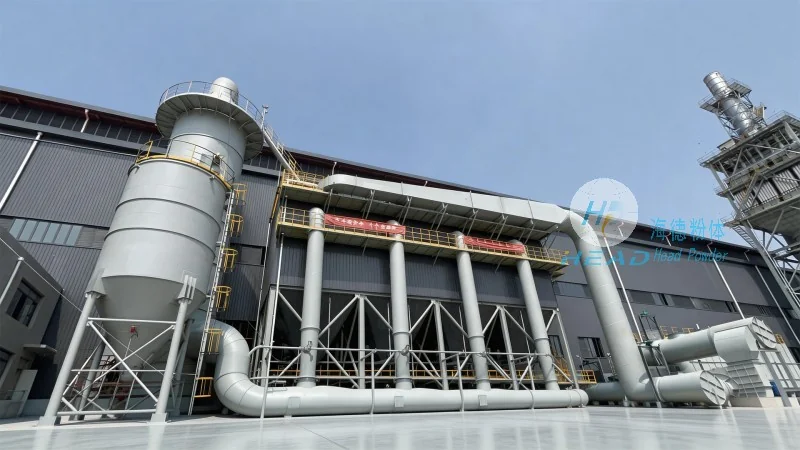
Company Overview: Shandong HeadPowder Engineering Co., Ltd.
As a leading provider in the field, Shandong HeadPowder Engineering Co., Ltd. specializes in the design, manufacturing, and implementation of advanced pneumatic conveying solutions. With a focus on safety, efficiency, and durability, the company serves a wide range of industrial sectors requiring precise gas handling technologies. HeadPowder is headquartered in Shandong, China, and is committed to delivering high-quality engineering solutions tailored to client-specific needs.
Understanding Hydrogen Chloride (HCl) and Pneumatic Conveying
Hydrogen chloride is a highly corrosive gas commonly used in chemical manufacturing processes, such as the production of chlorinated compounds and pharmaceuticals. Traditional methods for transporting HCl, like pressure vessels or pipelines, often present challenges related to material compatibility and safety. Pneumatic conveying offers a viable alternative by utilizing air or other gases to move the gas through a system, minimizing direct contact with equipment and reducing the risk of leaks or contamination.
Key Components of a Hydrogen Chloride Pneumatic Conveying System
A typical HCl pneumatic conveying system consists of several critical components that work in tandem to ensure smooth operation. These include:
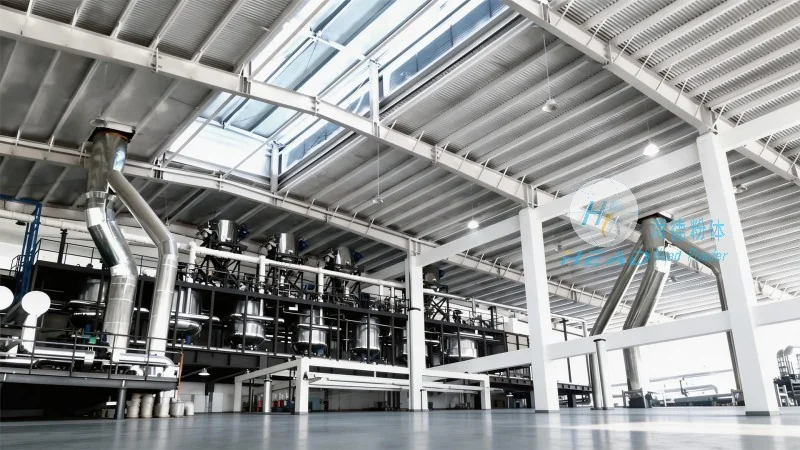
- Feeder Unit: This component is responsible for introducing the HCl gas into the conveying line. It may involve a rotary valve or a metering device to control the flow rate and maintain consistent pressure.
- Conveying Line: The main pipeline through which the HCl gas is transported. Materials like stainless steel or corrosion-resistant alloys are commonly used to withstand the acidic nature of HCl.
- Pneumatic Pump or Blower: This device generates the necessary airflow to move the gas through the system. It can be a positive displacement blower or a rotary lobe pump, depending on the system requirements.
- Receiver or Discharge Unit: The final component where the HCl gas is collected or discharged. This unit may include a filter or a venting system to ensure safe release and prevent backflow.
- Control System: A sophisticated control panel that monitors and regulates the pressure, flow rate, and temperature within the system, ensuring optimal performance and safety.
The Working Principle of Hydrogen Chloride Pneumatic Conveying
The operation of a HCl pneumatic conveying system follows a systematic process. Initially, the HCl gas is introduced into the feeder unit, where it is mixed with a carrier gas (often air) to create a slurry or suspension. The combined gas mixture is then propelled through the conveying line by the pneumatic pump. As the gas flows, it carries the HCl particles along the pipeline, maintaining a consistent velocity to prevent deposition or blockages.
During transport, the system maintains a slight positive pressure to prevent external air from entering and to ensure the gas moves toward the receiver. The control system continuously monitors parameters such as pressure and flow rate, adjusting the pump speed or valve position as needed to maintain optimal conditions. Upon reaching the receiver, the HCl gas is collected, and any excess carrier gas is vented or recycled back into the system.
Operational Considerations and Safety Measures
Handling HCl gas requires strict adherence to safety protocols due to its corrosive and toxic properties. Pneumatic conveying systems are designed with safety features such as pressure relief valves, explosion-proof components, and corrosion-resistant materials to mitigate risks. Regular maintenance, including inspections of pipelines and components, is essential to ensure the system operates within safe parameters and to prevent leaks or malfunctions.
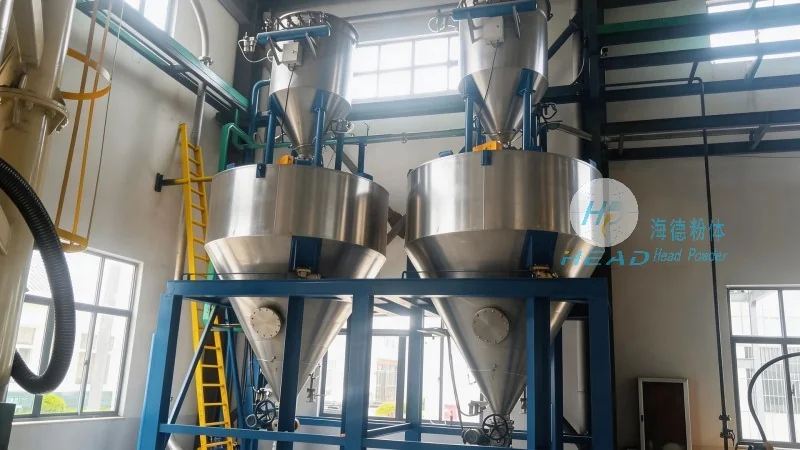
Additionally, the system must be equipped with proper ventilation and gas detection devices to monitor for HCl leaks and to provide early warning signals. Training for operators on the safe operation of the system is also a critical component of effective HCl handling.
Applications and Benefits of Hydrogen Chloride Pneumatic Conveying
Hydrogen chloride pneumatic conveying systems are widely used in various industrial applications, including chemical manufacturing, pharmaceutical production, and water treatment. The primary benefits of this technology include:
- Efficiency: Pneumatic conveying allows for rapid and continuous transport of HCl gas, reducing downtime and increasing production throughput.
- Cost-Effectiveness: By eliminating the need for traditional pressure vessels or complex piping systems, pneumatic conveying can lower installation and operational costs.
- Flexibility: The system can be easily adjusted to accommodate varying flow rates and process requirements, making it suitable for diverse industrial applications.
- Safety: The enclosed system minimizes exposure to HCl gas, reducing the risk of accidents and environmental contamination.
Conclusion
Hydrogen chloride pneumatic conveying systems represent a sophisticated and reliable solution for the transport of corrosive gases in industrial settings. With proper design, implementation, and maintenance, these systems can enhance operational efficiency while ensuring safety and compliance with industry standards. Shandong HeadPowder Engineering Co., Ltd. continues to lead in the development of advanced pneumatic conveying technologies, providing tailored solutions that meet the evolving needs of the chemical industry.




