For industrial applications involving melamine powder, understanding the principles and operational characteristics of pneumatic conveying is crucial for efficient material handling and process optimization. This article explores the fundamental mechanisms behind melamine powder pneumatic conveying and highlights key working scenario characteristics that define its effectiveness in various industrial settings.
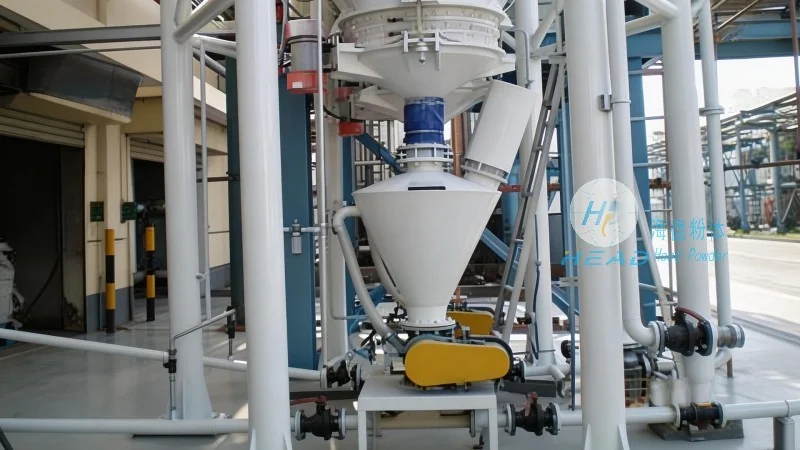
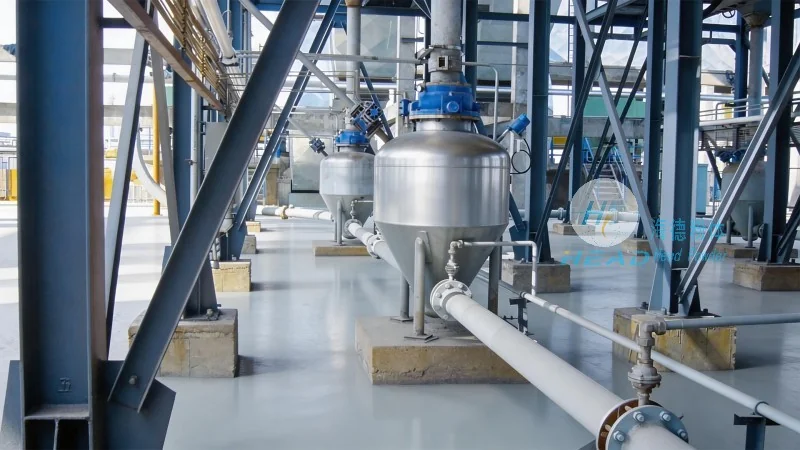
Melamine Powder Pneumatic Conveying: Core Principles
Pneumatic conveying is a method of transporting bulk materials, such as melamine powder, through a pipeline using air or gas as the conveying medium. The process typically involves creating a pressure differential between the inlet and outlet of the system, which propels the powder particles through the pipeline. In the case of melamine powder, which is a fine, hygroscopic material, specialized conveying systems are required to maintain material integrity and prevent clogging or degradation. The principle relies on the interaction between the powder and the air stream, where the air velocity is sufficient to overcome the gravitational forces acting on the powder particles, allowing them to be suspended and transported.
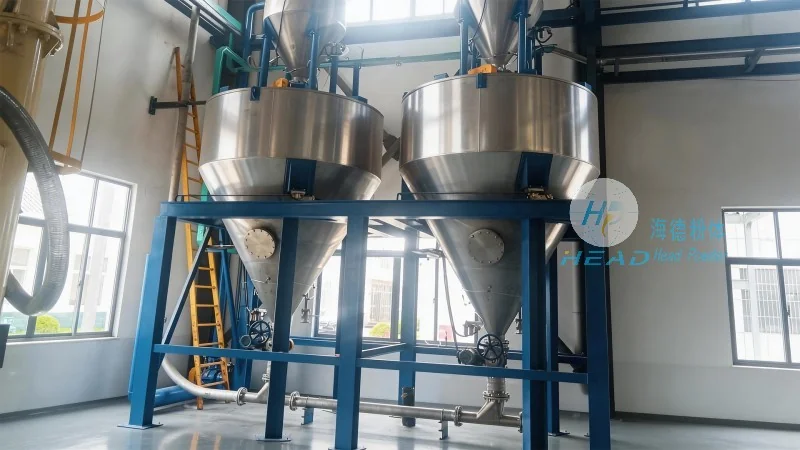
Working Scenario Characteristics of Melamine Powder Pneumatic Conveying
The effectiveness of melamine powder pneumatic conveying is heavily influenced by several working scenario characteristics that must be considered for optimal performance. These include the particle size distribution, moisture content, and bulk density of the melamine powder, as well as the system design parameters like pipeline diameter, air velocity, and pressure. In industrial settings, the choice of conveying system (e.g., dilute-phase or dense-phase) depends on the specific application requirements, such as the distance to be covered, the volume of material to be transported, and the need for material separation or mixing. For example, in a chemical manufacturing plant, a dilute-phase system may be preferred for short-distance transport of fine melamine powder, while a dense-phase system might be used for longer distances or when handling larger particle sizes to prevent segregation. Additionally, the working scenario characteristics also consider the environmental conditions, such as temperature and humidity, which can affect the powder's flowability and the system's efficiency. Proper control of these factors ensures consistent conveying performance and minimizes downtime or maintenance issues.
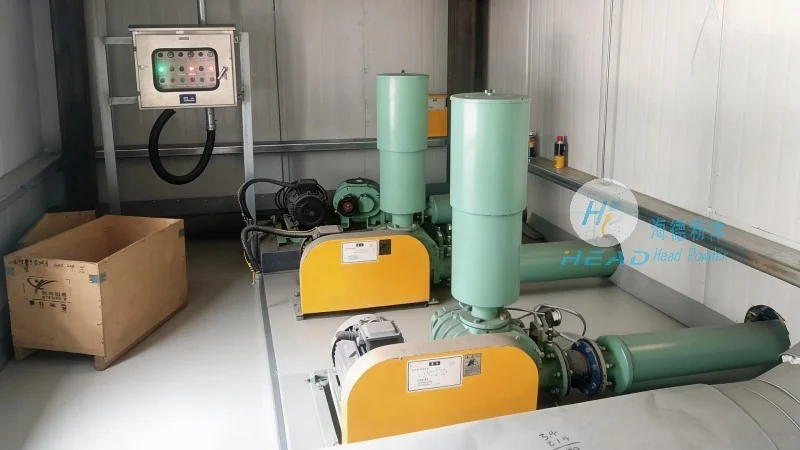
About HeadPowder: Your Partner in Pneumatic Conveying Solutions
Shandong HeadPowder Engineering Co., Ltd., commonly known as HeadPowder, is a leading provider of pneumatic conveying systems tailored for industrial applications involving melamine powder and other fine bulk materials. With a focus on engineering excellence and customer-centric solutions, HeadPowder specializes in designing and manufacturing customized conveying systems that meet the unique requirements of each client. The company's headquarters is located in Shandong, China, where it leverages advanced technology and expertise to deliver reliable, efficient, and cost-effective solutions for material handling challenges. By combining years of industry experience with innovative engineering approaches, HeadPowder ensures that its pneumatic conveying systems not only meet but exceed the performance expectations of its clients, contributing to improved productivity and operational efficiency in various industrial sectors.




