HeadPowder, a leading engineering company based in Shandong, China, specializes in the design and manufacturing of advanced pneumatic conveying systems tailored for various industrial applications, including the efficient handling of quartz sand materials. This article explores the fundamental principles behind such equipment and highlights the key characteristics of its operational scenarios.
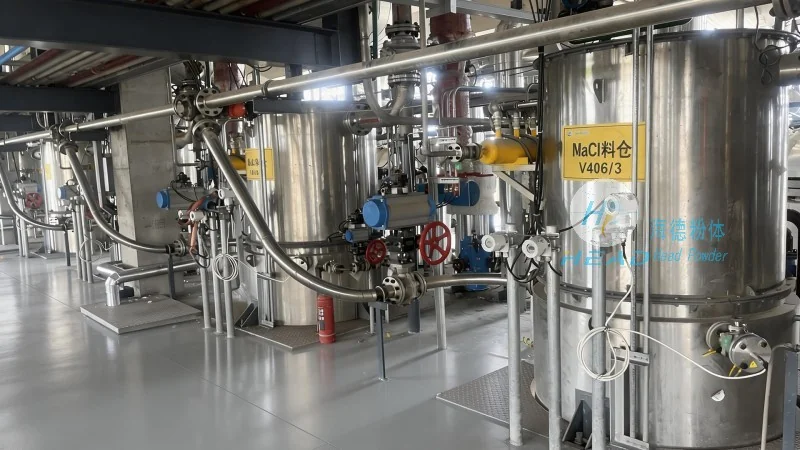
Introduction to Quartz Sand Pneumatic Conveying Equipment
Quartz sand, a widely used industrial material in sectors like construction, glass manufacturing, and foundries, requires reliable and efficient handling solutions to ensure smooth production processes. Pneumatic conveying equipment offers a non-contact, dust-free method for transporting quartz sand, which is crucial for maintaining product quality and operational safety. The technology involves using compressed air or gas to move the material through a pipeline system, eliminating the need for traditional bulk handling methods such as trucks or conveyor belts.
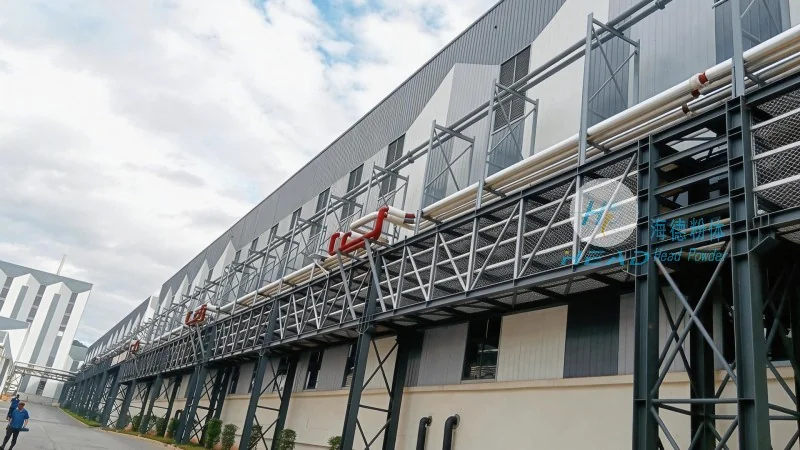
The Core Principle of Pneumatic Conveying
The operation of quartz sand pneumatic conveying equipment is based on the principle of fluidization and gas-solid flow. When compressed air is introduced into the conveying line, it creates a low-pressure zone that draws the quartz sand particles into the pipeline. The air velocity is carefully controlled to maintain a stable suspension of the sand particles, preventing blockages and ensuring consistent flow. This process is often referred to as "air slurry" or "dense phase" conveying, depending on the air-to-material ratio and the desired flow characteristics. The equipment typically consists of a hopper for material storage, a blower or compressor to generate the necessary air pressure, a pipeline network for material transport, and a receiver or discharge point for the delivered quartz sand.
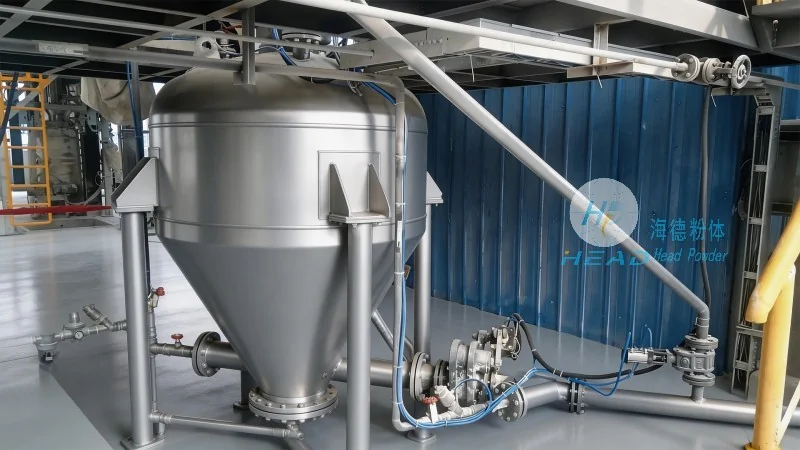
Key Working Scene Characteristics
The effectiveness of quartz sand pneumatic conveying equipment is heavily influenced by the specific working scenarios in which it is deployed. These characteristics include the distance and elevation changes between the material source and destination, the volume of material to be transported, and the required throughput rate. For short-distance applications, such as within a factory or between adjacent production lines, low-pressure or "low-velocity" conveying systems are often employed. These systems use lower air velocities to minimize wear on the equipment and reduce energy consumption. In contrast, for longer distances or when transporting larger quantities of quartz sand, high-pressure or "high-velocity" conveying systems are preferred. These systems utilize higher air pressures and velocities to maintain the material in suspension over greater distances, ensuring reliable and continuous operation.
Advantages in Different Operational Environments
Quartz sand pneumatic conveying equipment excels in various operational environments due to its inherent advantages. One of the primary benefits is the ability to handle abrasive materials like quartz sand without causing excessive wear on the equipment components. The non-contact nature of the process prevents contamination from external sources, which is critical for maintaining the purity of the quartz sand, especially in applications like glass production where even minor impurities can affect product quality. Additionally, the system is highly flexible, allowing for easy integration with existing production lines and the ability to transport materials to multiple destinations from a single source. This flexibility is particularly valuable in dynamic manufacturing environments where production schedules and material requirements may change frequently.
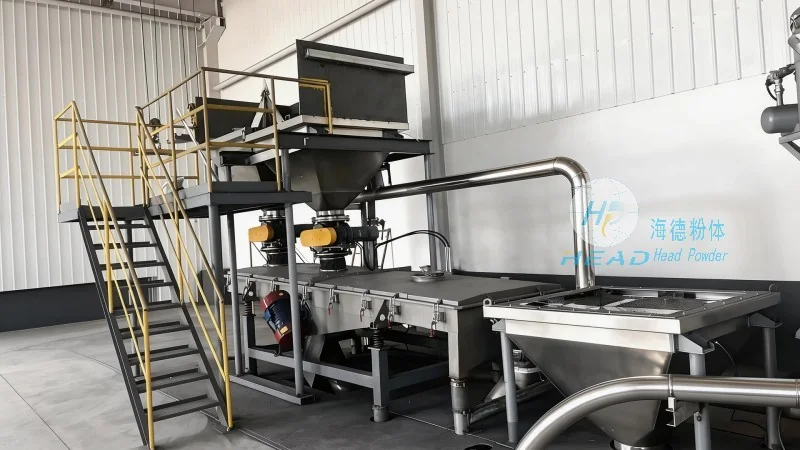
Applications and Performance Metrics
HeadPowder Engineering Co., Ltd., with its headquarters in Shandong, China, has established itself as a trusted provider of advanced pneumatic conveying solutions for the quartz sand industry. The performance of the system is typically evaluated based on several key metrics, including the conveying capacity (measured in tons per hour), the pressure drop across the pipeline (indicating energy efficiency), and the overall system efficiency (considering both material and energy consumption). For quartz sand applications, the equipment is optimized to handle particle sizes ranging from fine powders to coarse granules, with typical particle diameters between 0.1 mm and 2 mm. The system's ability to maintain consistent flow rates and particle size distribution is essential for downstream processes, such as mixing, blending, or further processing, ensuring that the final product meets strict quality standards.




