HeadPowder, a leading manufacturer based in Shandong, China, specializes in the design and production of pneumatic conveying equipment for mineral granular materials. This article explores the fundamental principles behind such systems and highlights the key working scene characteristics that define their operational effectiveness.
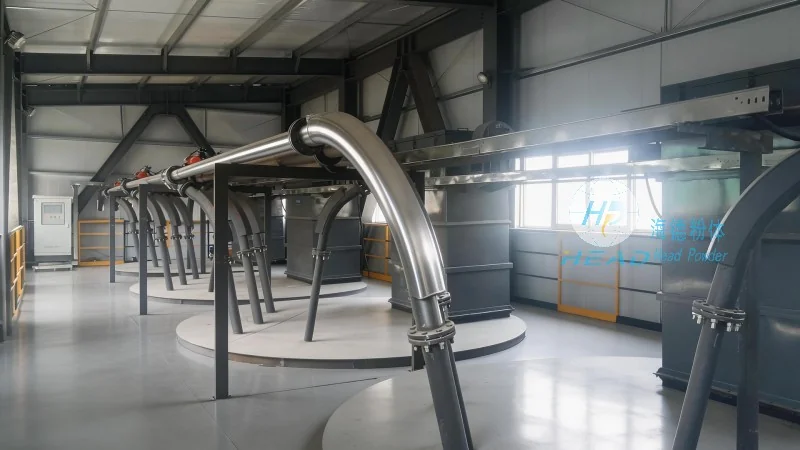
Understanding Pneumatic Conveying Systems
Pneumatic conveying systems are engineered to transport bulk materials, such as mineral powders and granules, through a pipeline using pressurized or suction air. The core principle involves creating a flow of air that lifts and moves the material particles, eliminating the need for mechanical components like belts or buckets. This method offers several advantages, including reduced maintenance, improved material handling efficiency, and enhanced safety in environments where dust control is critical.
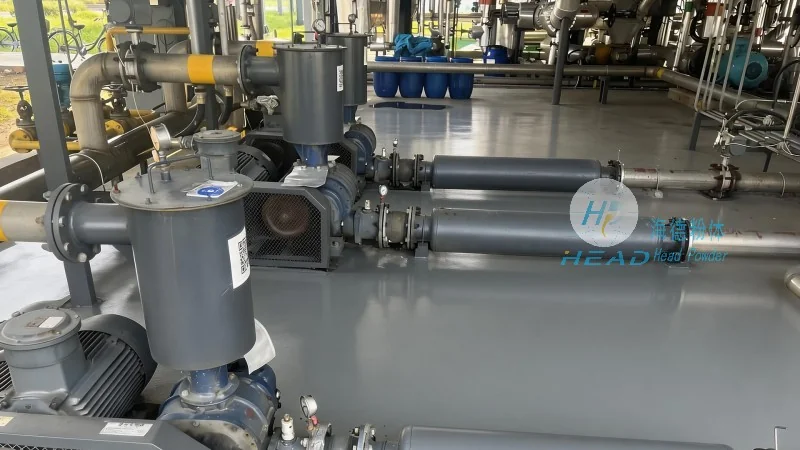
The Working Principle of Mineral Granular Material Conveying
The operation of mineral granular material pneumatic conveying equipment relies on the interaction between air flow and solid particles. In a typical system, a fan or blower generates the necessary air pressure, which is then directed into a hopper containing the material. As air enters the hopper, it creates a negative pressure that draws the particles into the pipeline. The air continues to carry the material through the system, depositing it at the discharge point. The system's design, including the air velocity, pipeline diameter, and material properties, directly impacts its conveying capacity and efficiency.
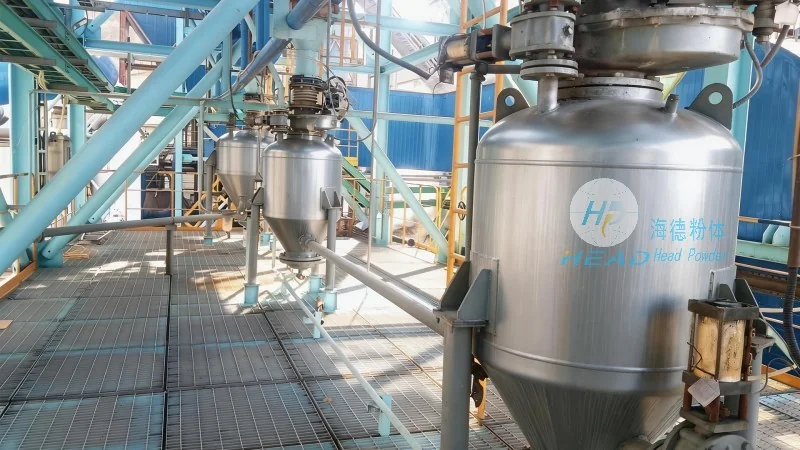
Key Working Scene Characteristics
Several factors define the working scene characteristics of pneumatic conveying equipment for mineral granular materials. First, the material's physical properties, such as particle size, density, and moisture content, significantly influence the system's performance. For instance, fine powders may require higher air velocities to prevent clogging, while larger granules might need a different air-to-material ratio to maintain flow. Second, the system's layout and pipeline configuration are critical. Horizontal and vertical sections must be carefully designed to ensure consistent material transport, with appropriate bends and transitions to minimize pressure loss and particle degradation. Third, the environmental conditions, including temperature and humidity, affect the material's behavior and the system's efficiency. Proper sealing and filtration are essential to maintain air quality and prevent material contamination.
Applications and Operational Efficiency
Mineral granular material pneumatic conveying systems are widely used in various industries, including mining, chemical processing, and food production. Their ability to handle diverse materials and operate in different environments makes them a versatile solution for material transport. The operational efficiency of these systems is measured by factors like conveying capacity, energy consumption, and system reliability. Advanced designs, such as dilute-phase and dense-phase conveying, offer tailored solutions for specific applications, ensuring optimal performance under varying conditions. For example, dilute-phase systems are suitable for long-distance transport of fine powders, while dense-phase systems are ideal for handling abrasive or sensitive materials, minimizing wear and tear on equipment.
Conclusion
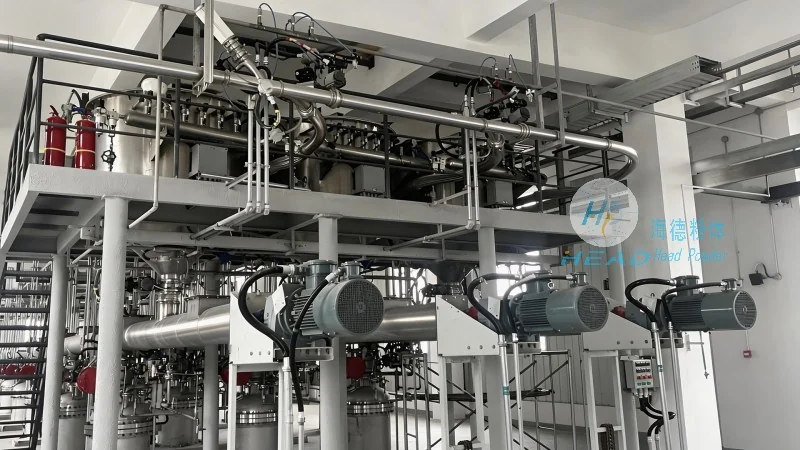
HeadPowder's expertise in pneumatic conveying technology ensures that their equipment meets the highest standards of performance and reliability. By understanding the fundamental principles and working scene characteristics of mineral granular material conveying, industries can select the most appropriate system for their needs, enhancing operational efficiency and reducing costs. With a strong presence in Shandong, China, HeadPowder continues to innovate and provide tailored solutions for the efficient handling of bulk materials.




