HeadPowder, a leading enterprise in the field of powder processing technology, specializes in the efficient handling and transportation of nanoparticle calcium carbonate through pneumatic conveying systems. This article delves into the fundamental principles of pneumatic conveying and explores the key application scenarios where this technology excels, providing insights into its operational advantages and practical implementation.
The Core Principle of Pneumatic Conveying
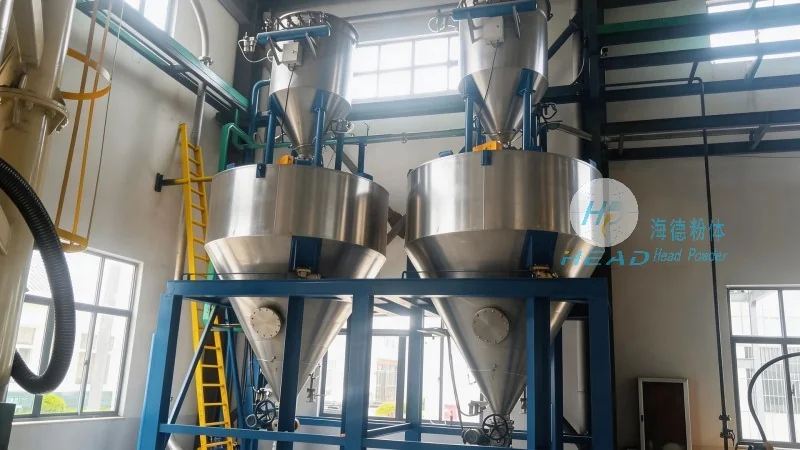
Pneumatic conveying, as the name suggests, utilizes air or gas to transport bulk materials like nanoparticle calcium carbonate. The process involves creating a pressure differential between the conveying line and the ambient environment, which propels the material through a pipeline. There are two primary modes of pneumatic conveying: dilute phase and dense phase. Dilute phase systems operate at higher velocities, typically 20-30 meters per second, with low material concentration in the air stream, making them suitable for short to medium distances. Dense phase systems, on the other hand, use lower velocities (5-15 meters per second) and higher material concentrations, enabling more controlled and gentle material transport, ideal for sensitive powders such as nanoparticle calcium carbonate.
Key Components and Operational Mechanism
The pneumatic conveying system for nanoparticle calcium carbonate consists of several critical components, each playing a vital role in the overall process. These include the material feed hopper, which stores and feeds the powder into the system; the air compressor or blower, which generates the necessary airflow; the conveying line, which transports the material; and the discharge device, which delivers the material to the destination. The material is introduced into the conveying line from the hopper, where it is mixed with the air stream. The air velocity and pressure are carefully controlled to ensure the material is entrained and transported without clogging or degradation. The system may also include a filter or separator at the discharge end to remove any residual air and collect the material, maintaining cleanliness and efficiency.
Advantages of Pneumatic Conveying for Nanoparticle Calcium Carbonate
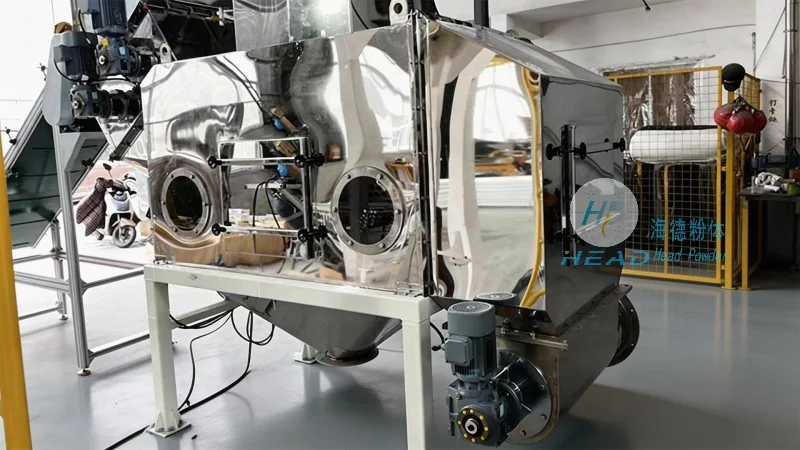
When applied to nanoparticle calcium carbonate, pneumatic conveying offers several distinct advantages over traditional methods like belt conveyors or bucket elevators. Firstly, it provides a dust-free and enclosed transport environment, which is crucial for maintaining the purity and quality of the nanoparticle powder. This is particularly important in industries where the material is used in high-value applications, such as in the production of plastics, coatings, and paper. Secondly, pneumatic conveying allows for flexible and space-saving installation, as the conveying line can be routed vertically, horizontally, or in a combination of both, adapting to the layout of the production facility. Thirdly, the system can handle varying material flow rates and can be easily integrated with other processing equipment, enhancing overall production efficiency. Additionally, the gentle handling of the material minimizes particle breakage and agglomeration, preserving the nanostructure integrity of the calcium carbonate, which is essential for its performance in end-use products.
Application Scenarios and Practical Implementation
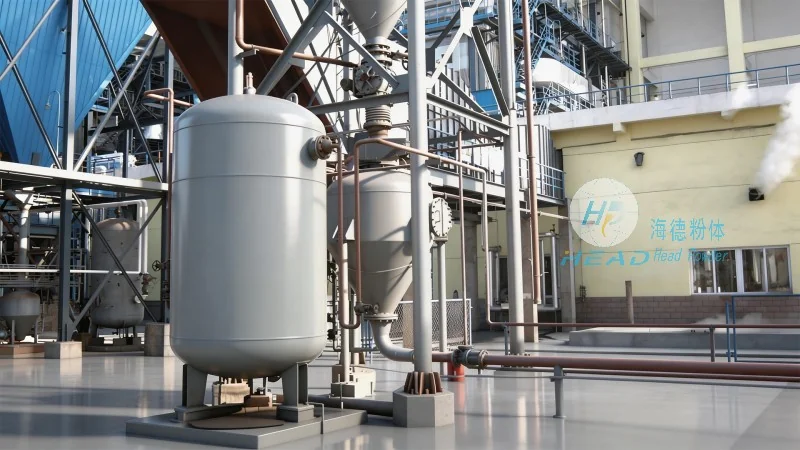
HeadPowder's pneumatic conveying solutions for nanoparticle calcium carbonate are widely adopted in various industrial settings. One common application scenario is in the plastic and rubber industry, where the material is used as a filler to enhance the mechanical properties and reduce costs of the final products. The pneumatic conveying system can efficiently transport the nanoparticle calcium carbonate from storage silos to the mixing and extrusion lines, ensuring a consistent and high-quality feed. Another key application is in the paper industry, where the material is used as a coating pigment or filler to improve the paper's brightness and strength. The system can deliver the powder directly to the coating machine, maintaining the material's fine particle size and preventing clogging in the processing equipment. Furthermore, in the construction materials sector, the pneumatic conveying technology is utilized to transport the nanoparticle calcium carbonate for use in cement and concrete additives, where the material's nanostructure contributes to improved durability and workability of the final products.
Operational Considerations and Maintenance
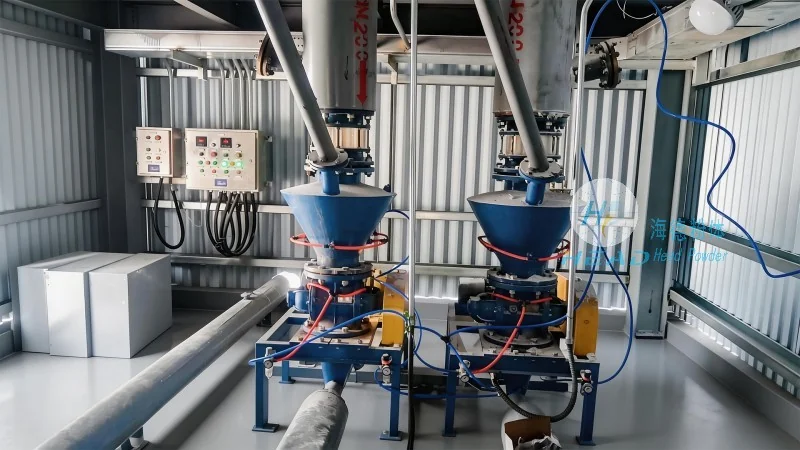
While pneumatic conveying offers numerous benefits, proper operation and maintenance are essential to ensure optimal performance and longevity of the system. HeadPowder emphasizes the importance of regular inspection and cleaning of the conveying line and components to prevent material buildup and clogging. The air compressor or blower must be maintained to operate at the correct pressure and airflow rates, as fluctuations can affect the conveying efficiency. Additionally, the material feed rate should be controlled to match the system's capacity, avoiding overloading which can lead to system failure. Regular filter maintenance is also critical, as clogged filters can reduce airflow and increase energy consumption. By adhering to these operational guidelines, users can maximize the efficiency and reliability of the pneumatic conveying system for nanoparticle calcium carbonate, ensuring consistent performance and product quality.
Conclusion
HeadPowder Engineering Co., Ltd., based in Shandong, China, has established itself as a trusted provider of advanced pneumatic conveying solutions for nanoparticle calcium carbonate. By leveraging the core principles of pneumatic conveying and adapting them to the specific requirements of this material, the company offers tailored systems that enhance production efficiency, maintain material quality, and provide a cost-effective solution for various industrial applications. The technology's ability to handle fine powders like nanoparticle calcium carbonate with precision and care makes it an indispensable part of modern powder processing, and HeadPowder continues to innovate and improve its systems to meet the evolving needs of the industry.




