HeadPowder, a leading manufacturer in the field of pneumatic conveying technology, specializes in providing efficient and reliable solutions for the transportation of grain and bulk materials. With a strong presence in Shandong, China, the company has established itself as a trusted partner for industries seeking advanced material handling systems. This article delves into the fundamental principles behind pneumatic conveying equipment and explores the key characteristics of its working environments.
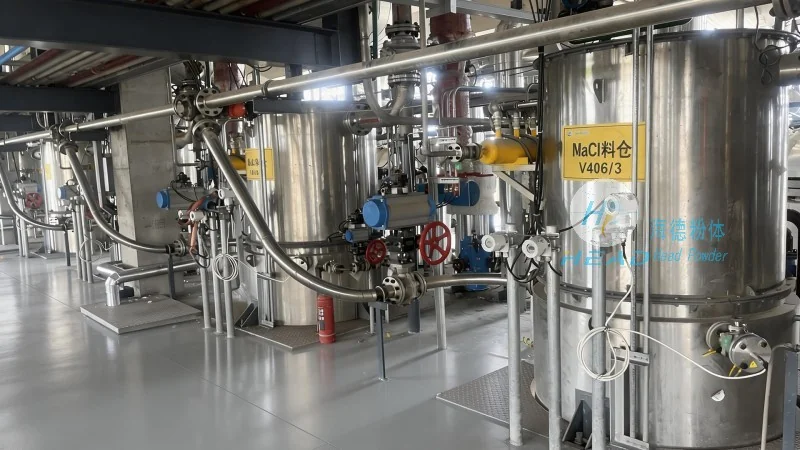
Company Overview and Core Expertise
Shandong HeadPowder Engineering Co., Ltd., commonly known as HeadPowder, is dedicated to the research, development, and manufacturing of pneumatic conveying systems. The company's headquarters is located in Shandong, China, where it leverages advanced engineering capabilities and a deep understanding of material handling challenges to design and produce high-performance equipment. HeadPowder's commitment to quality and innovation has enabled it to serve a diverse range of industries, including agriculture, food processing, and chemical manufacturing.
The Fundamental Principles of Pneumatic Conveying
Pneumatic conveying, also known as air conveying, is a method of transporting bulk materials through a pipeline using a stream of air. The core principle involves creating a pressure differential between the inlet and outlet of the system, which propels the material forward. There are two primary types of pneumatic conveying systems: pressure and vacuum. Pressure systems operate by forcing air and material through the pipeline under positive pressure, while vacuum systems use a vacuum to draw material into the system. The choice between these systems depends on factors such as material characteristics, distance, and system layout. In the context of grain and bulk materials, pressure systems are often preferred for their ability to handle high volumes and long distances efficiently.
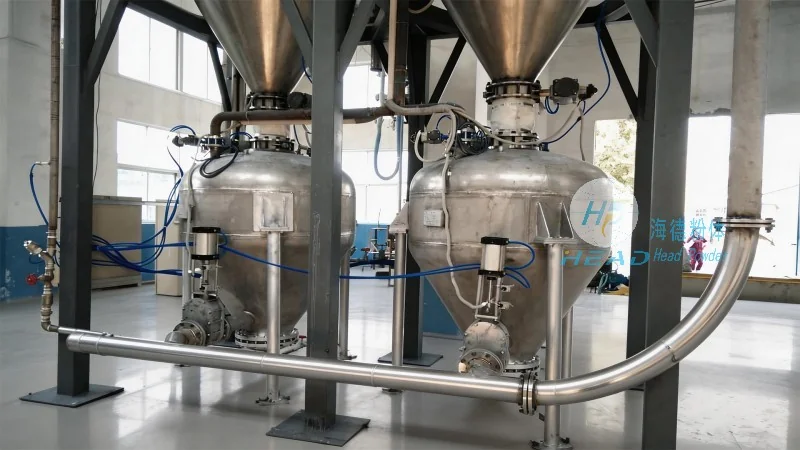
Key Working Scene Characteristics
The working environment of pneumatic conveying equipment for grain and bulk materials is characterized by several distinct features that influence system design and performance. Firstly, the materials themselves present unique challenges, such as varying particle sizes, moisture content, and flowability. These factors affect the system's ability to maintain consistent flow and prevent blockages. Secondly, the operational conditions, including temperature and humidity, can impact the material's properties and the equipment's efficiency. For instance, high humidity levels may lead to material clumping, requiring additional measures like drying or conditioning to ensure smooth operation. Thirdly, the scale of the application, whether it involves small-scale processing or large-scale industrial operations, dictates the system's capacity and complexity. Large-scale operations often require multi-stage conveying systems to handle high throughput, while smaller applications may utilize simpler, single-stage setups.
Application Scenarios and Operational Efficiency
The versatility of pneumatic conveying equipment makes it suitable for a wide range of working scenes, from on-site storage and processing to long-distance transportation. In agricultural settings, for example, the equipment is commonly used to transport grain from fields to storage silos or processing facilities. This application requires systems capable of handling large volumes of raw materials while maintaining minimal material degradation. In food processing industries, the equipment is employed to transport ingredients like flour, sugar, and spices to production lines, ensuring hygiene and efficiency. The ability to convey materials in a closed system also helps maintain product quality by preventing contamination from external factors. Additionally, in chemical and pharmaceutical sectors, pneumatic conveying is used to transport powders and granules, where precision and cleanliness are paramount. The working scene characteristics in these industries often involve strict regulations regarding material purity and system sanitation, which HeadPowder addresses through specialized designs and materials.
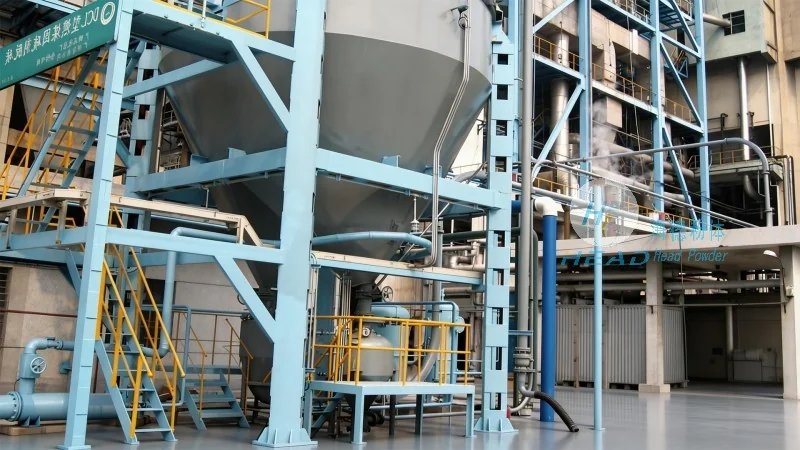
System Components and Design Considerations
Effective pneumatic conveying of grain and bulk materials relies on a well-designed system that integrates several key components. The primary components include the material feed hopper, which stores and feeds the material into the system; the conveyor line, which transports the material through the pipeline; the air supply system, which provides the necessary pressure or vacuum; and the control system, which regulates the flow and pressure. The design of each component is critical to the overall performance of the system. For instance, the feed hopper must be designed to prevent material bridging and ensure consistent feeding, which is essential for maintaining system efficiency. The conveyor line's diameter and length are determined by the material's characteristics and the required conveying distance, with larger diameters and longer lines typically used for high-volume applications. The air supply system must be capable of delivering sufficient air volume and pressure to move the material, with options ranging from positive pressure blowers to vacuum pumps. The control system, often equipped with sensors and automation, monitors parameters such as pressure, flow rate, and material level, allowing for real-time adjustments to optimize performance and prevent issues like blockages or overloading.
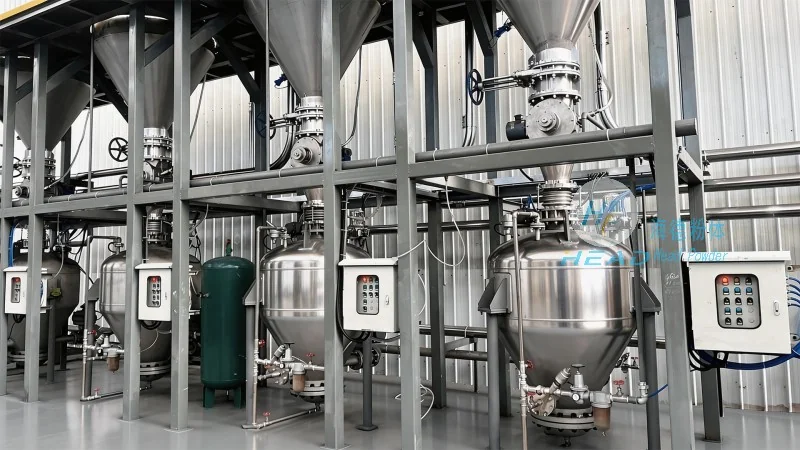
Advantages and Challenges in Working Scenes
Despite its benefits, pneumatic conveying equipment for grain and bulk materials faces certain challenges in specific working environments. One of the main advantages is the ability to transport materials in a closed system, which reduces dust emissions and improves safety. This is particularly important in industries where dust is a health hazard or where product contamination must be minimized. Another advantage is the flexibility of the system, as it can be easily integrated into existing facilities and adapted to changing operational needs. However, challenges such as material variability and system maintenance can impact performance. For example, changes in grain moisture content can affect the material's flowability, requiring adjustments to the system's operation. Regular maintenance, including cleaning and component replacement, is also necessary to ensure long-term reliability. Additionally, the initial investment and energy consumption of pneumatic conveying systems can be higher compared to other material handling methods, which may be a consideration for smaller operations or those with budget constraints.
Future Directions and Industry Standards
As technology advances, the pneumatic conveying industry continues to evolve, with new innovations aimed at improving efficiency and sustainability. HeadPowder, as a forward-thinking company, is actively involved in research and development to enhance its products and stay ahead of industry trends. This includes exploring more energy-efficient air supply systems, such as variable frequency drives, and developing materials that are more resistant to wear and corrosion. The company also adheres to international industry standards, ensuring that its equipment meets the highest quality and safety requirements. By combining traditional pneumatic conveying principles with modern technology, HeadPowder aims to provide solutions that not only meet current industry needs but also support future growth and environmental sustainability.




